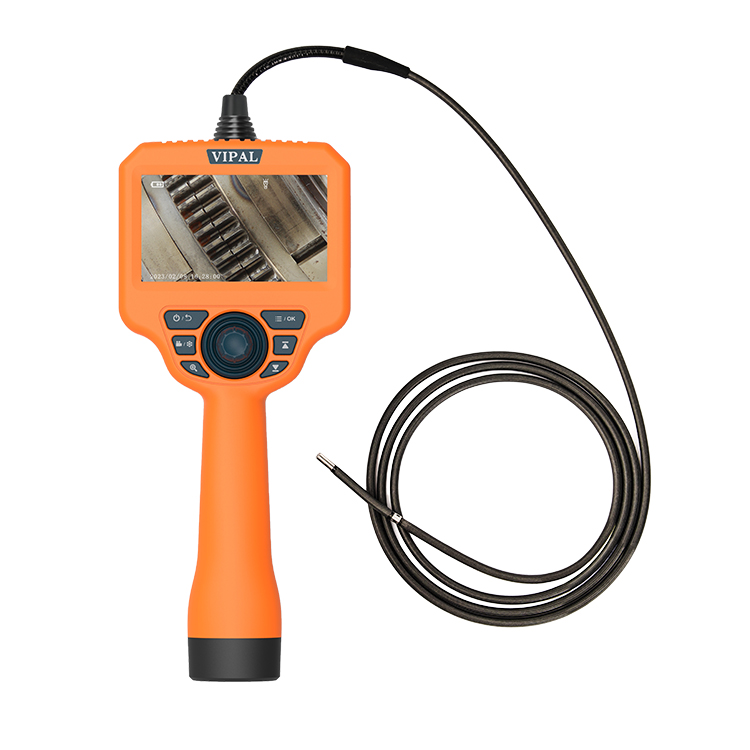

Borescope Inspection for Aircraft Engines
Category: Aviation & Aerospace-
On: 2026-08-31
Borescope Inspection for Aircraft Engines: Applications and Benefits
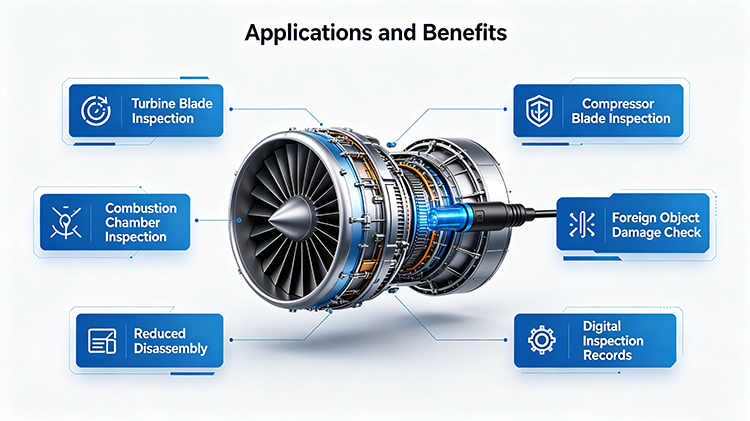
Aircraft engines contain complex internal components that cannot always be inspected directly without partial or extensive disassembly.
Borescope inspection provides a way to visually access selected internal areas through existing inspection openings.
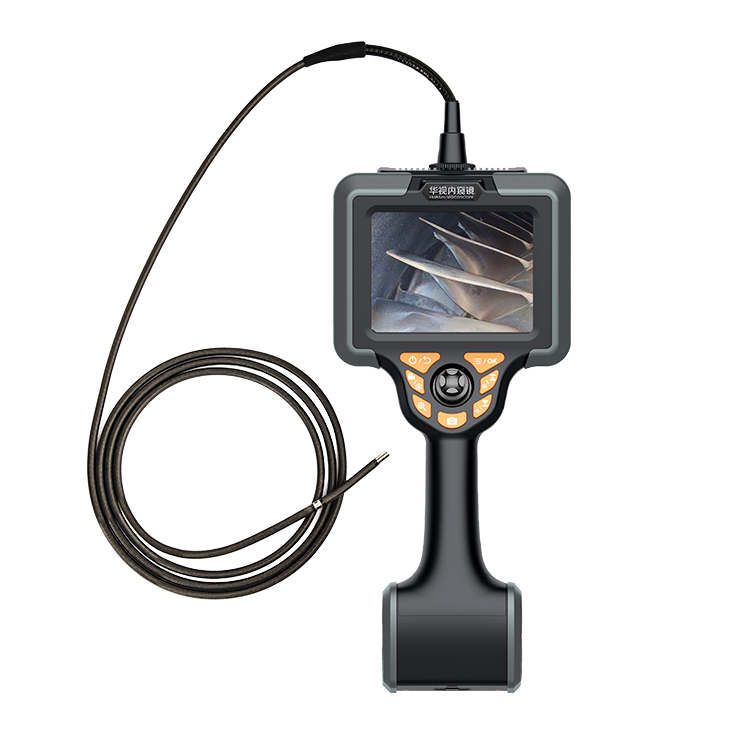
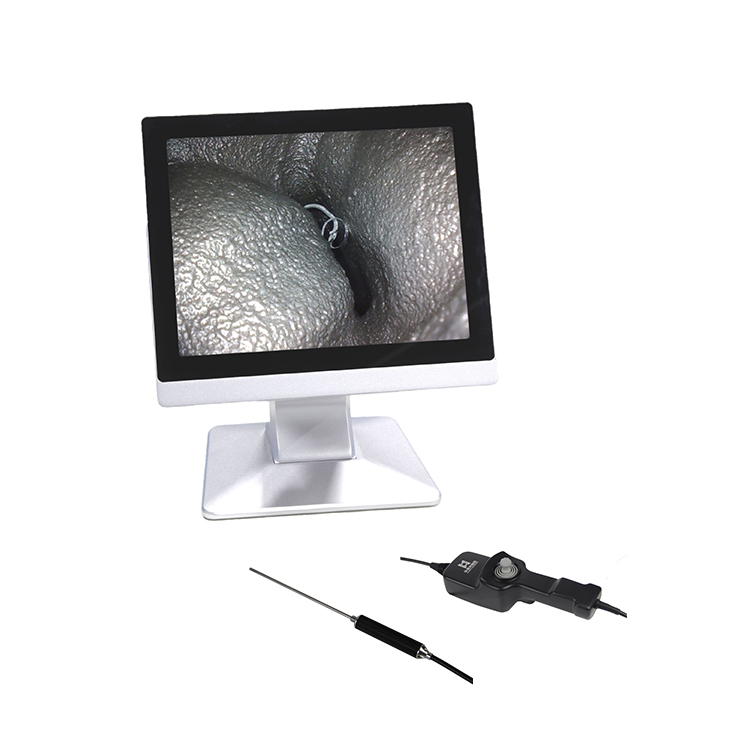
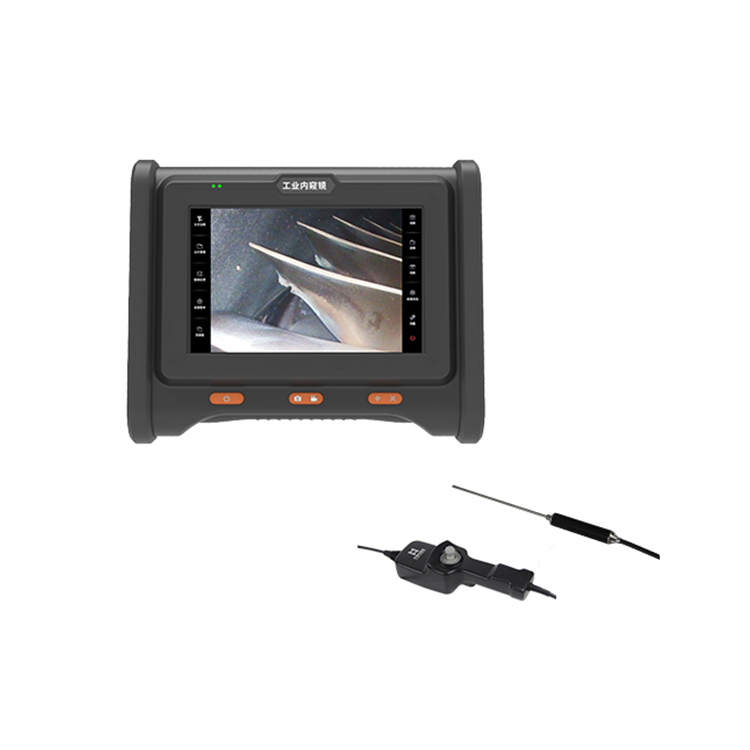
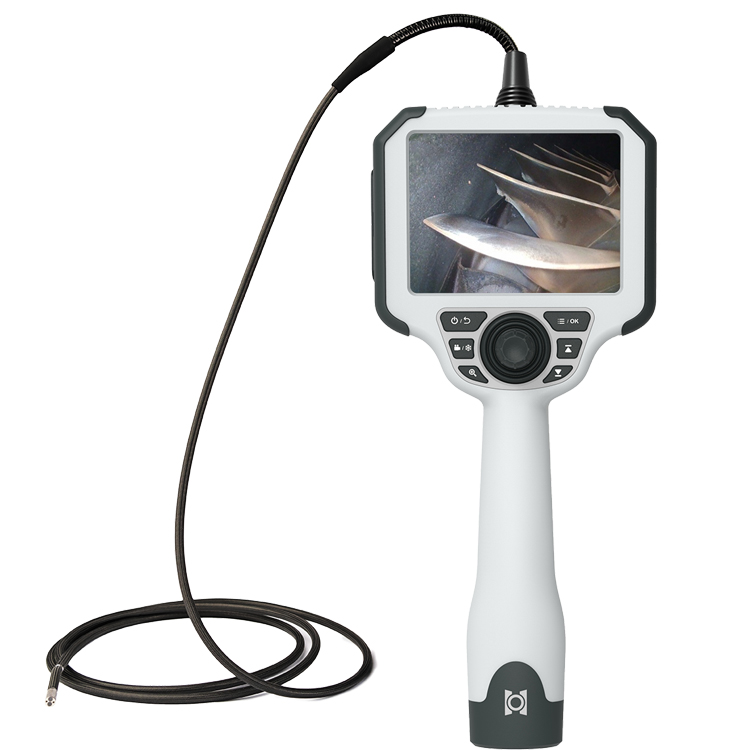
For maintenance and inspection teams, an industrial videoscope can provide real-time images of components that would otherwise be difficult to see.
Why Is Borescope Inspection Important for Aircraft Engines?
Engine components operate under demanding conditions involving high temperature, pressure, vibration, and mechanical loads.
Over time, internal components may develop visible signs of:
Wear
Corrosion
Surface damage
Foreign object damage
Cracking
Erosion
Deposits
Other abnormal conditions
Borescope inspection allows inspectors to examine accessible internal surfaces without immediately disassembling the engine.
What Aircraft Engine Components Can Be Inspected?
Depending on the engine design and approved inspection procedure, borescopes may be used to inspect areas such as:
Compressor blades
Turbine blades
Combustion areas
Internal engine passages
Engine casings
Other accessible internal components
The exact inspection points depend on the engine design and maintenance requirements.
How Does an Aircraft Engine Borescope Inspection Work?
A typical inspection involves:
Identifying the inspection point.
Preparing the equipment.
Selecting an appropriate probe.
Inserting the probe through an approved access opening.
Positioning the camera.
Adjusting illumination.
Examining the component.
Recording images or video.
Documenting findings.
Inspectors should always follow the applicable aircraft and engine maintenance procedures.
What Features Are Important?
Aircraft engine inspection can place specific demands on the inspection equipment.
Important considerations may include:
Small Probe Diameter
Some inspection openings are limited in size.
Articulation
The camera may need to be positioned around complex internal geometry.
Image Quality
The inspector needs a clear view of component surfaces.
Illumination
Engine interiors can be extremely dark, making effective lighting essential.
Recording
Inspection images can support documentation and review.
Borescope Inspection and Preventive Maintenance
Borescope inspection can form part of a broader maintenance strategy.
By periodically documenting the visible condition of internal components, maintenance teams may be able to compare inspection results over time.
This can help identify changes in component condition and support maintenance decisions.
The borescope itself does not replace other required inspection methods. Instead, it provides valuable visual information as part of the overall inspection process.
Why Use a Videoscope Instead of Disassembly?
The main advantage is access.
When an appropriate inspection opening already exists, a videoscope may allow an inspector to visually examine internal areas without immediately removing major components.
This can potentially reduce inspection time and unnecessary disassembly.
Choosing an Aircraft Engine Borescope
Selection should consider:
Probe diameter
Probe length
Articulation
Image quality
Lighting
Field of view
Environmental specifications
Recording functions
Measurement requirements
The correct configuration should always be determined by the actual inspection procedure and equipment requirements.
Conclusion
Aircraft engine borescope inspection provides an efficient way to visually examine accessible internal engine components.
By combining a small inspection probe, camera, illumination, articulation, and digital recording, modern videoscopes can provide valuable visual information for professional maintenance and inspection teams.