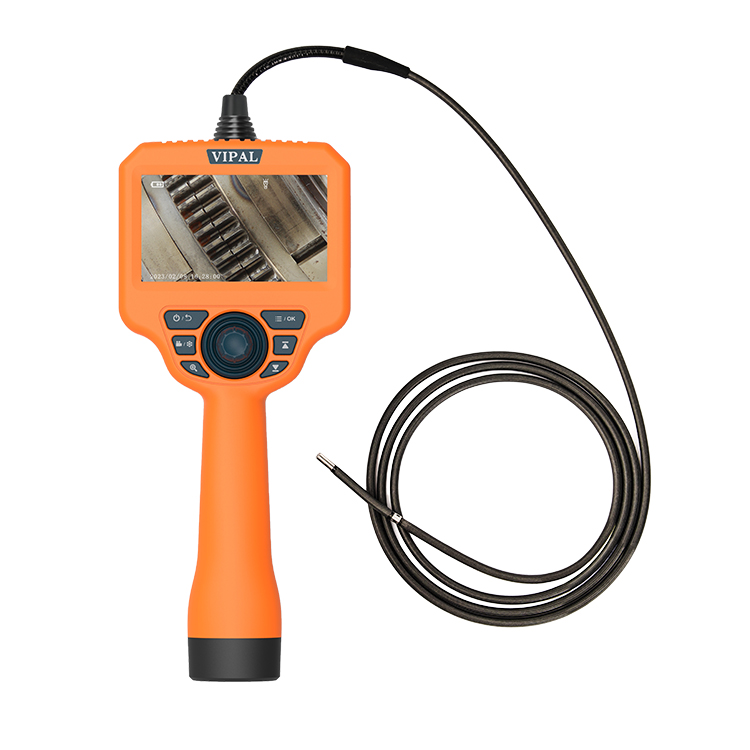

Industrial Borescope Inspection for Oil & Gas Pipelines
Category: Oil & Gas-
On: 2026-08-31
Industrial Borescope Inspection for Oil & Gas Pipelines
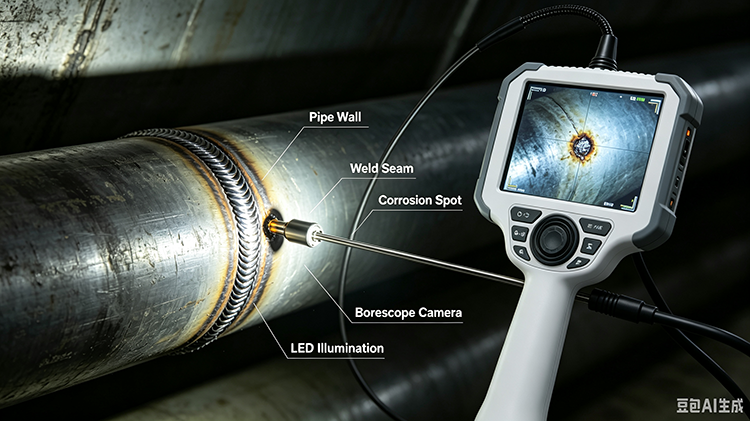
Pipelines and process equipment used in the oil and gas industry can contain internal areas that are difficult to inspect directly.
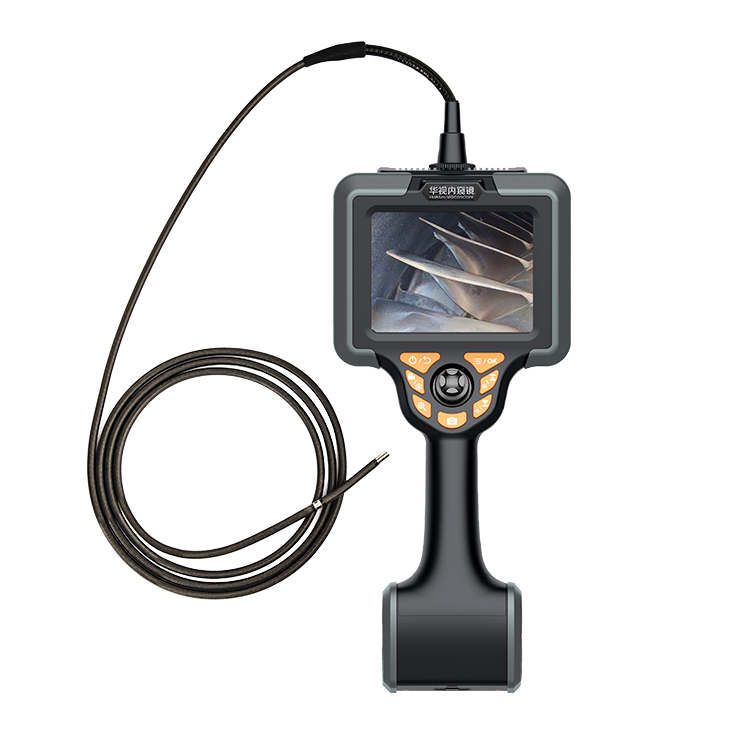
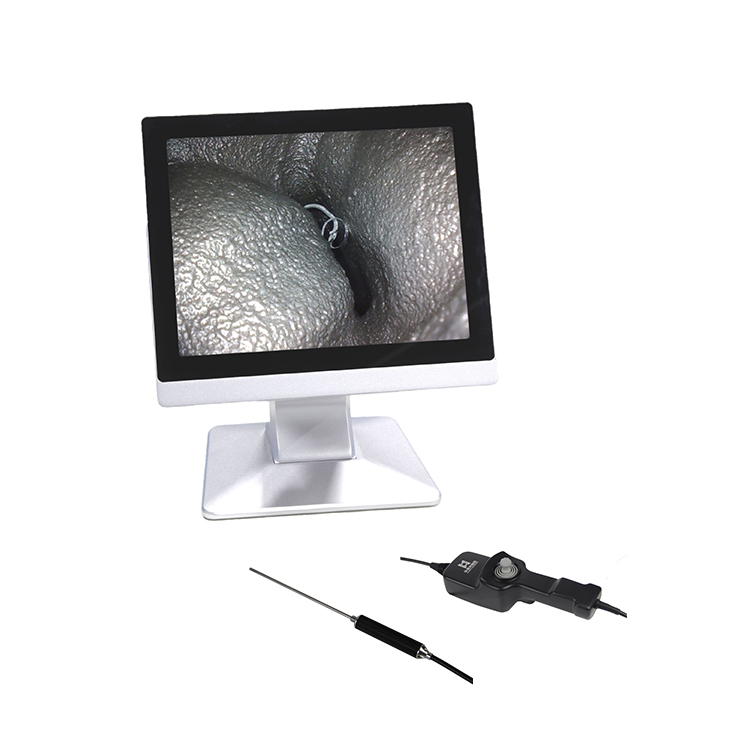
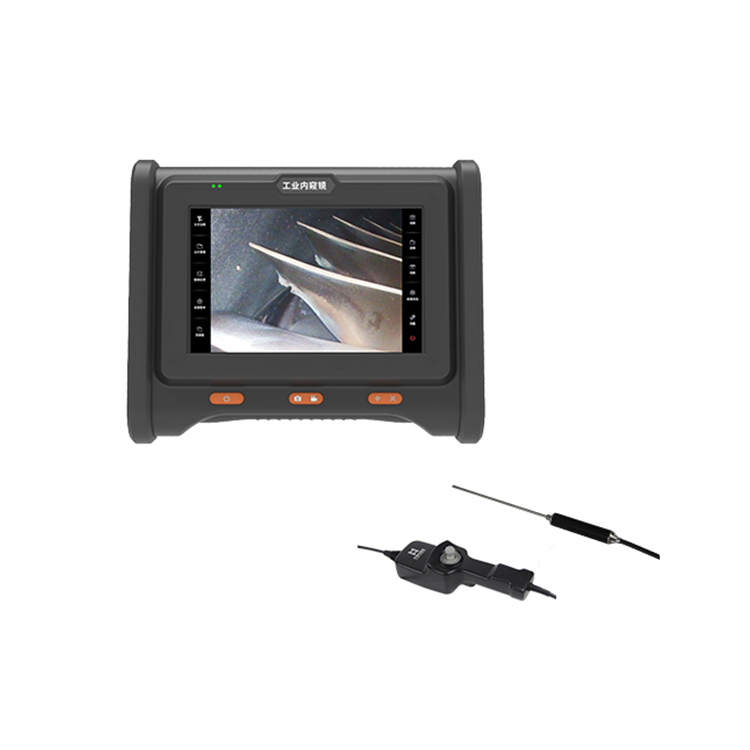
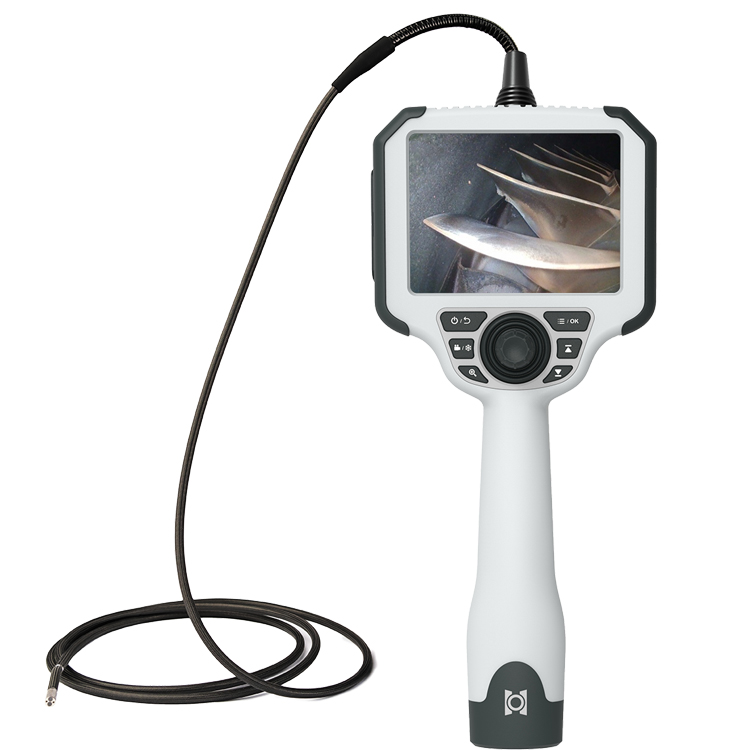
Industrial borescopes can provide remote visual access to suitable internal areas through inspection openings, helping inspectors observe internal surfaces and document visible conditions.
Why Use a Borescope for Pipeline Inspection?
Pipeline inspection may involve areas that are:
Narrow
Deep
Dark
Difficult to access
Located inside fittings or components
A videoscope can bring a camera into these areas without requiring the operator to directly access the internal space.
What Can Be Inspected?
Depending on the equipment and access arrangement, a borescope may be used for visual inspection of:
Pipes
Valves
Fittings
Internal passages
Weld areas
Process equipment
Selected internal surfaces
The exact suitability depends on the inspection opening and the internal geometry.
What Defects Can Be Visually Observed?
A borescope may help identify visible conditions such as:
Corrosion
Deposits
Surface damage
Foreign material
Blockages
Wear
Visible weld abnormalities
A borescope is a visual inspection tool and should not be considered a replacement for specialized inspection methods when internal defects cannot be visually identified.
Important Borescope Specifications
Probe Diameter
The probe must fit through the available access opening.
Probe Length
Longer probes may be necessary for deeper inspection areas.
Articulation
Directional control can help navigate complex internal geometry.
Lighting
Effective illumination is essential for dark pipeline interiors.
Environmental Protection
The equipment specification must be appropriate for the intended inspection environment.
Pipeline Inspection and Documentation
A major advantage of a modern videoscope is digital recording.
Inspection teams can capture:
Photos
Videos
Inspection observations
Measurement data when supported
Digital records can help with maintenance documentation, internal review, and comparison with previous inspections.
Borescope Inspection vs Other Pipeline Inspection Methods
Borescope inspection is not suitable for every pipeline inspection requirement.
Depending on the application, pipeline operators may use a combination of:
Visual inspection
Ultrasonic testing
Radiographic testing
Magnetic particle testing
Eddy current testing
Other inspection technologies
The appropriate method depends on the material, defect type, geometry, accessibility, and applicable inspection requirements.
Choosing a Pipeline Borescope
Before selecting equipment, determine:
Minimum access diameter
Required inspection depth
Internal geometry
Required articulation
Environmental conditions
Required image quality
Recording requirements
This information can then be used to select a suitable inspection system.
Conclusion
Industrial borescopes can provide useful remote visual access for selected oil and gas pipeline and process equipment inspection tasks.
With the right combination of probe diameter, length, articulation, lighting, imaging, and environmental protection, a videoscope can help inspectors observe and document difficult-to-access internal areas.