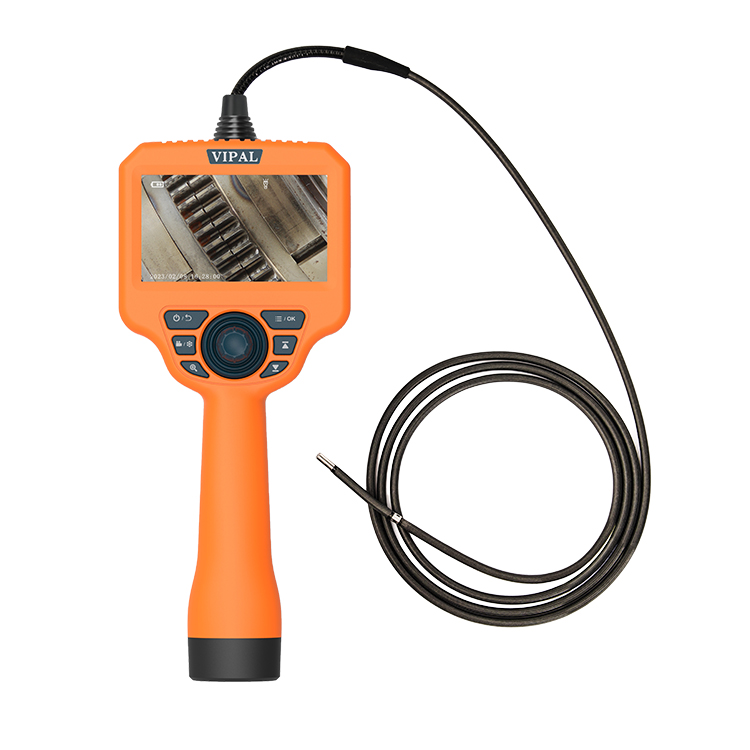

Automotive Engine Borescope Inspection | Industrial Videoscope
Category: Automotive-
On: 2026-09-02
1. Overview of Automotive Engine Borescope Inspection
Automotive engines contain precision components and complex internal cavities. Many critical components cannot be visually inspected without partially or completely disassembling the engine.
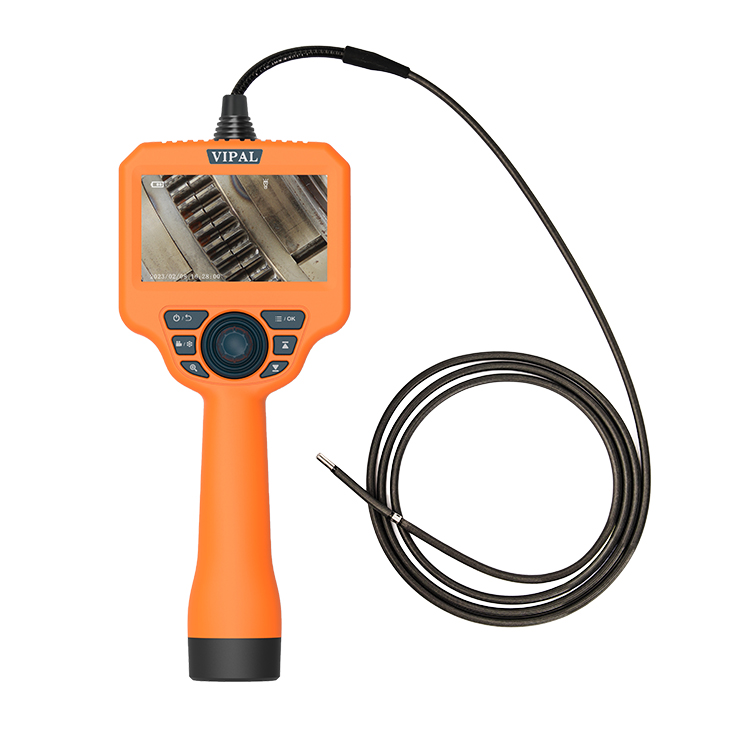
Traditional inspection methods may require the removal of multiple components, which can be time-consuming, labor-intensive, and may introduce additional wear or the risk of improper reassembly.
An automotive engine borescope provides a more efficient approach.
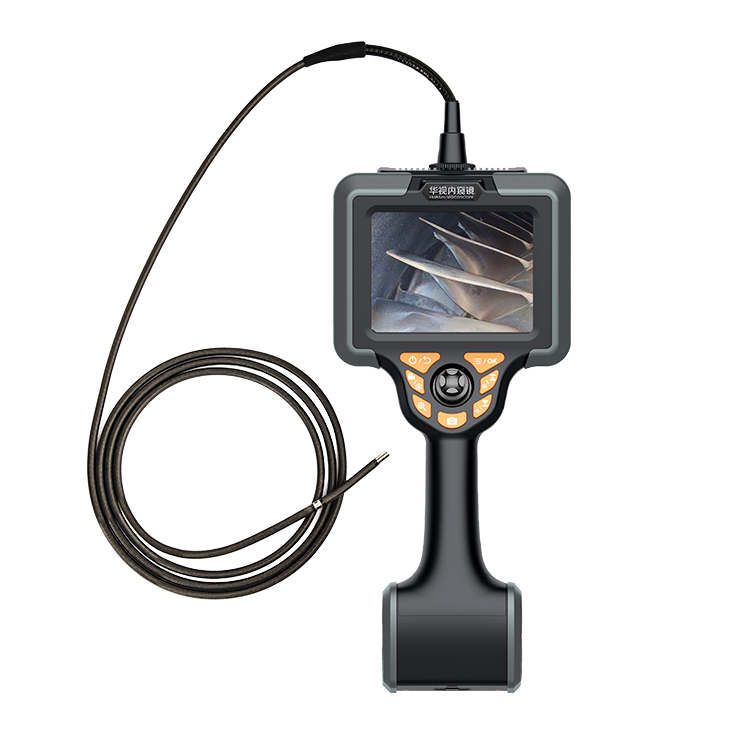
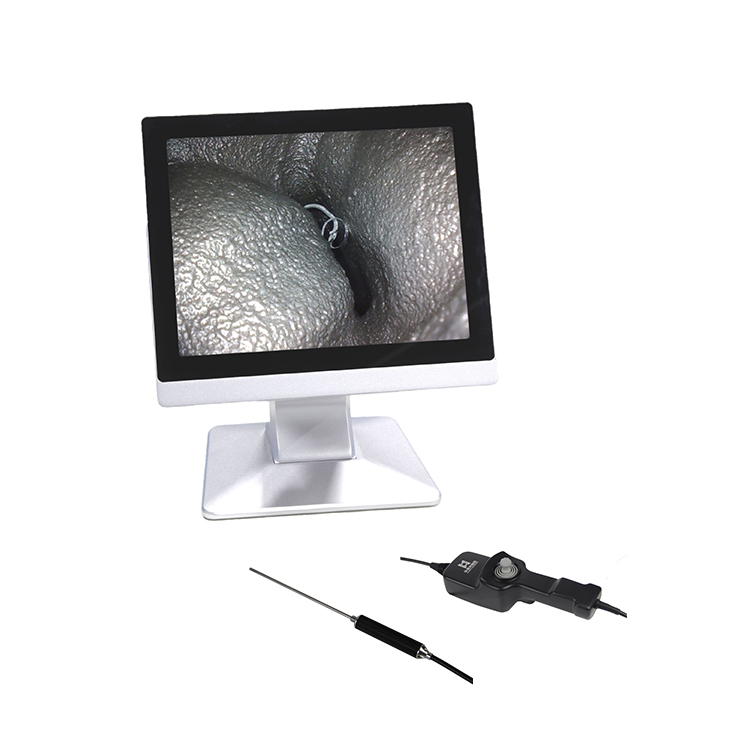
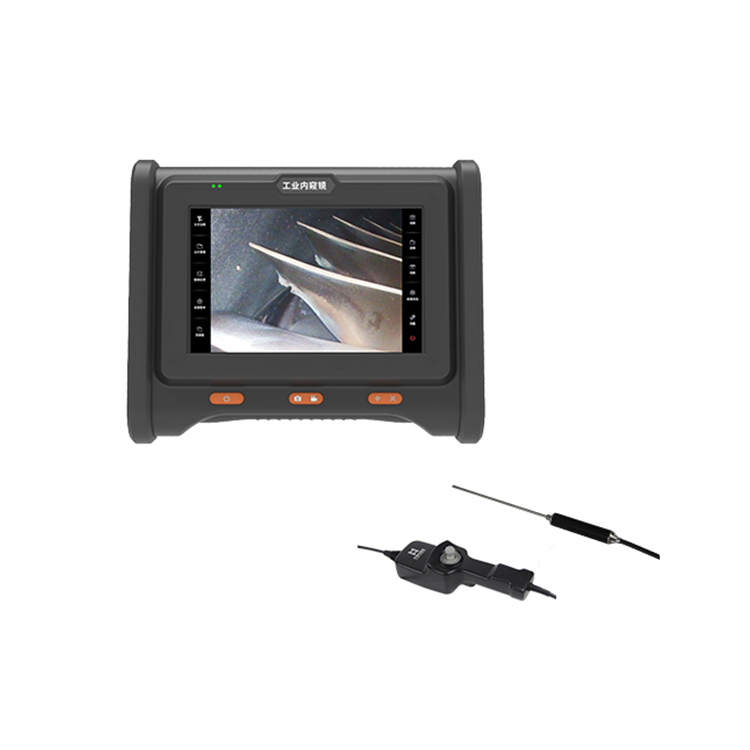
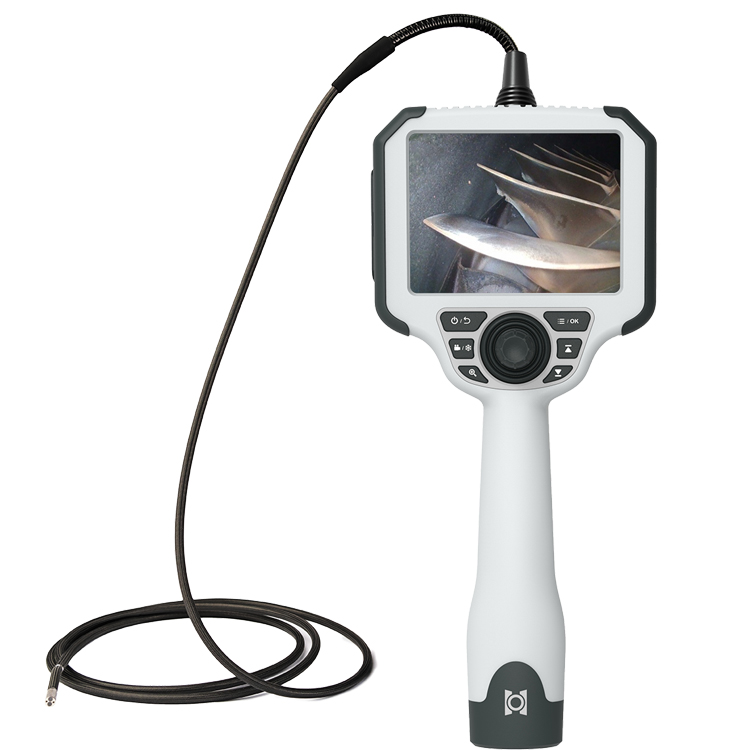
By using existing access points such as spark plug holes, intake and exhaust passages, and other inspection openings, a high-definition industrial videoscope can be inserted into the engine to provide real-time visual access to internal components.
Automotive engine borescope inspection is widely used for:
Routine vehicle maintenance
Engine troubleshooting
Used-vehicle inspection
Manufacturing quality control
Engine condition assessment
Repair and maintenance diagnostics
It has become an important inspection tool for efficient and non-destructive engine diagnostics.
2. Key Engine Components That Can Be Inspected
With the appropriate probe diameter, insertion length, articulation capability, and camera configuration, an industrial borescope can access narrow engine cavities and inspect many critical internal components.
Cylinder Walls
Inspect cylinder walls for:
Wear
Scratches
Scoring
Surface damage
Abnormal wear patterns
Combustion Chambers
Inspect combustion chambers for:
Carbon deposits
Burn marks
Abnormal combustion residue
Foreign material
Surface damage
Pistons
Inspect the piston crown and accessible piston surfaces for:
Carbon buildup
Wear
Cracks
Burn marks
Impact or abnormal damage
Valves
Inspect intake and exhaust valves for:
Carbon deposits
Wear on sealing surfaces
Corrosion
Abnormal surface conditions
Signs of sealing problems
Other Internal Components
Depending on the engine design and probe configuration, a borescope can also be used to inspect various internal cavities, passages, and precision component surfaces.
The actual inspection coverage depends on the engine type, access-point location, probe diameter, probe length, articulation capability, and camera configuration.
3. Common Engine Problems Detectable with a Borescope
A high-definition automotive videoscope can provide a direct view of internal engine conditions and help technicians identify problems that cannot be seen from the outside.
Surface Damage
Inspect for scratches, scoring, wear, cracks, and other surface damage on cylinder walls, pistons, valves, and related components.
Carbon Deposits
Identify excessive carbon buildup in combustion chambers, on piston crowns, and around valves.
Corrosion and Aging
Check metal components for corrosion, oxidation, surface deterioration, and other signs of long-term operation or storage.
Foreign Objects and Contamination
Detect metal particles, oil contamination, debris, and other foreign materials inside the engine.
Abnormal Operating Marks
Identify signs of overheating, burning, impact damage, abnormal contact, and potential sealing problems.
The quality of inspection images and the accuracy of defect identification depend largely on the camera resolution, lighting performance, probe diameter, articulation capability, and overall probe configuration.
4. Key Advantages of Engine Borescope Inspection
Traditional engine diagnostics may require significant disassembly to access internal components.
This can increase inspection time and labor costs while repeated disassembly and reassembly may introduce additional wear or affect assembly accuracy.
An industrial borescope provides a non-destructive alternative with several important advantages.
Non-Destructive Inspection Without Engine Disassembly
A borescope can be inserted through existing openings without removing major engine components.
This helps reduce disassembly work and minimizes the risk of secondary damage or reassembly-related problems.
Fast and Efficient Inspection
Technicians can quickly obtain a visual view of internal engine conditions, helping reduce troubleshooting and maintenance time.
This can significantly improve workshop efficiency and shorten diagnostic procedures.
Image and Video Recording
Many industrial videoscopes support high-definition image and video recording.
Inspection results can be saved for:
Fault analysis
Maintenance records
Quality control
Repair documentation
Customer communication
Inspection traceability
Flexible and Easy Operation
With compact probes, articulation control, and different probe configurations, industrial videoscopes can be adapted to a wide range of engine inspection applications.
Technicians can access difficult-to-reach areas while maintaining direct visual control of the inspection process.
5. Key Parameters for Automotive Engine Borescope Inspection
Automotive engines often contain narrow access openings, confined spaces, and complex internal structures.
Therefore, selecting the appropriate industrial borescope configuration is essential for obtaining effective inspection results.
1. Probe Diameter
Spark plug holes, inspection openings, intake passages, and other engine access points can be relatively narrow.
The probe diameter must be small enough to pass through the available opening while still providing sufficient image quality and illumination.
Choosing a probe that is too large may prevent access, while an excessively small probe may impose limitations on image quality, lighting, durability, or articulation.
Therefore, probe diameter should always be matched to the actual access opening.
2. Probe Articulation and Steering Capability
Engine interiors contain bends, narrow passages, and complex geometries. Many inspection targets cannot be viewed effectively by simply inserting the probe straight ahead.
A flexible, steerable probe allows the camera tip to be directed toward:
Cylinder walls
Valve areas
Piston surfaces
Corners
Sidewalls
Difficult-to-access areas
Effective articulation can significantly improve inspection coverage and make it easier to locate defects in confined spaces.
6. How to Choose an Automotive Engine Borescope
When selecting an industrial borescope for automotive engine inspection, technicians should consider the engine structure and actual inspection requirements.
Key factors include:
Probe diameter: Must fit through the available engine access openings
Probe length: Should reach the deepest inspection areas
Articulation capability: Helps access curved and difficult-to-reach areas
Image quality: High-resolution imaging helps identify small cracks, scratches, and wear
Lighting performance: Bright and uniform illumination is important inside dark engine cavities
Field of View (FOV): A suitable viewing angle can improve inspection coverage and reduce unnecessary probe movement
Image and video recording: Allows inspection results to be stored for documentation and traceability
Measurement capability: Optional measurement functions can help determine defect dimensions and quantify wear
The best configuration depends on the engine type, access openings, inspection targets, and required inspection depth.
An automotive engine borescope is an important tool for non-destructive engine inspection.
With the right probe configuration and high-definition imaging system, technicians can inspect critical internal components such as cylinder walls, combustion chambers, pistons, valves, and internal passages without dismantling the engine.
Borescope inspection can help technicians quickly identify internal faults, perform routine maintenance inspections, support quality control, and document inspection results.
By reducing unnecessary disassembly, saving inspection time, and providing visual inspection records, an industrial videoscope offers an efficient and practical solution for automotive repair, engine diagnostics, manufacturing quality inspection, and condition assessment.