
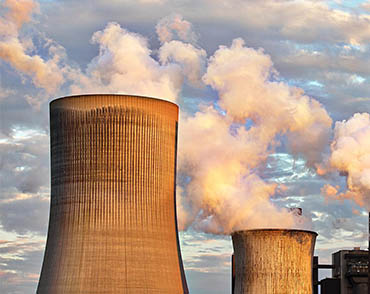
Power Generation Borescope Inspection for Power Generation Equipment
Category: Power Generation-
On: 2026-09-02
1. Overview of Borescope Inspection for Power Generation Equipment
Power generation equipment operates under demanding conditions, including high temperatures, high rotational speeds, heavy loads, and continuous operation. Core equipment often contains complex, enclosed structures, precision components, internal cavities, and narrow passages that cannot be inspected directly by eye.
Traditional maintenance methods may require extensive disassembly and shutdowns to gain access to internal components. This can significantly increase inspection time and maintenance costs while disrupting normal power plant operations.
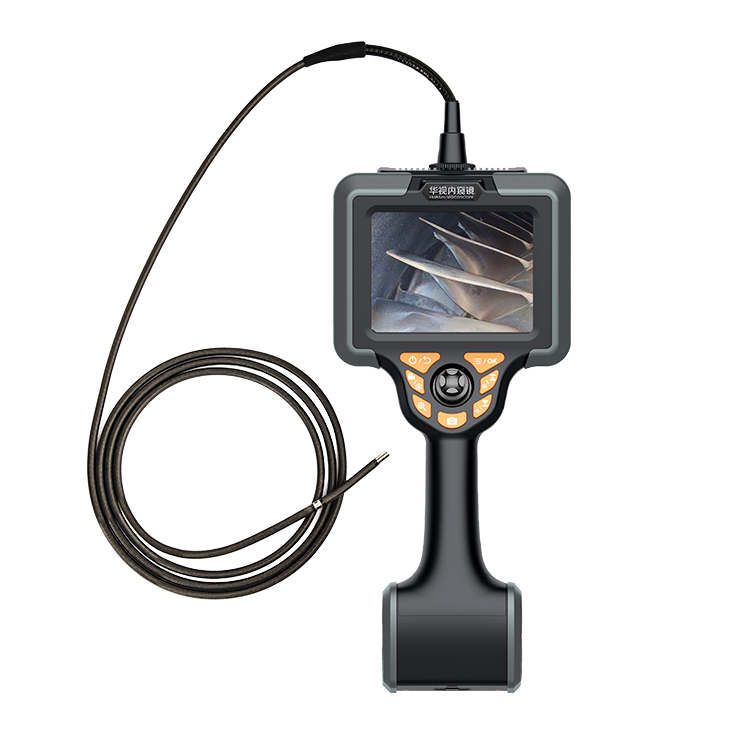
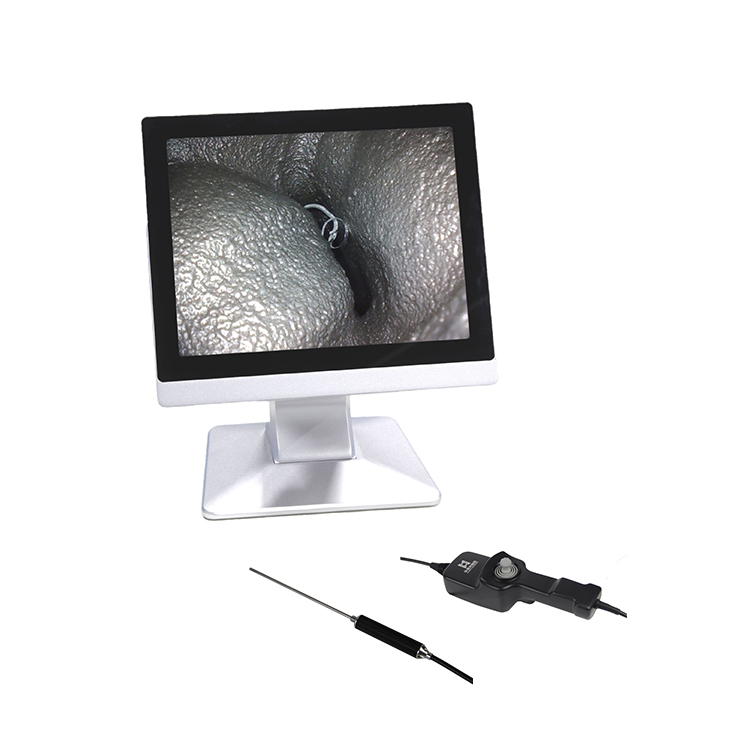
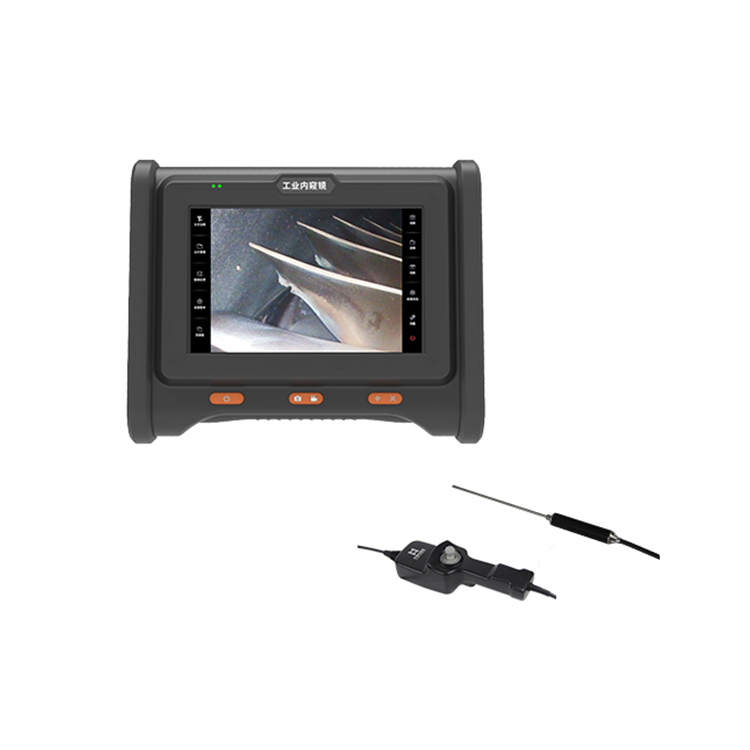
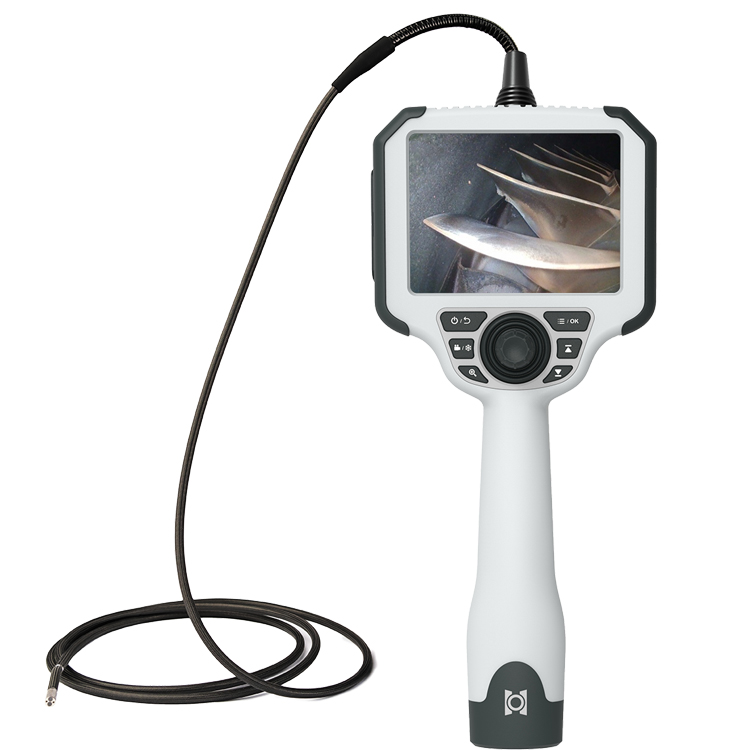
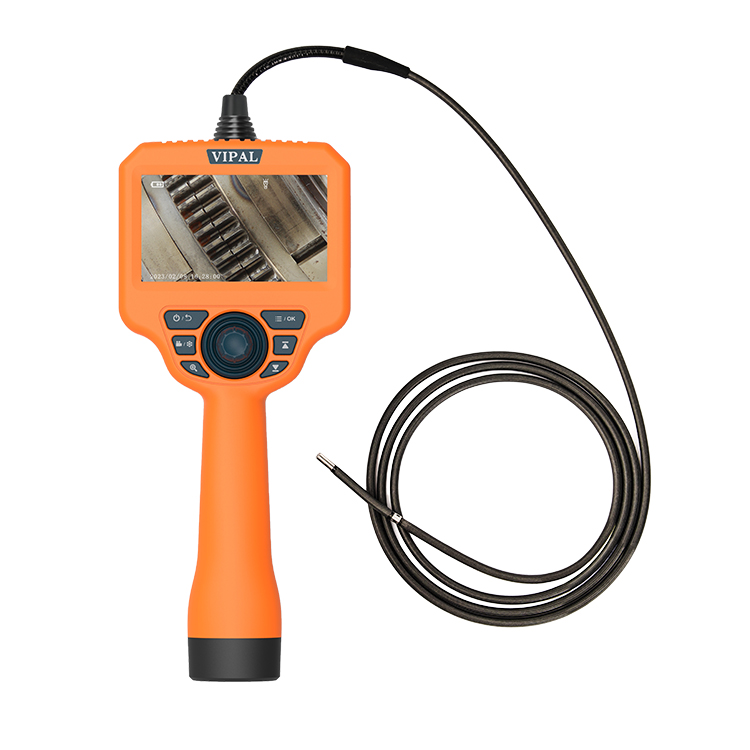
A power generation borescope provides a practical alternative by entering equipment through existing inspection ports, access openings, gaps, and internal passages. Without extensive disassembly, technicians can perform remote visual inspection of internal components and surfaces.
Industrial borescopes are therefore widely used for routine inspections, preventive maintenance, troubleshooting, and equipment condition assessment across critical power generation equipment. They have become an important tool for non-destructive visual inspection in modern power plants.
2. Power Generation Equipment That Can Be Inspected with a Borescope
Depending on equipment design, access conditions, and internal geometry, an industrial videoscope can be used to inspect many of the critical mechanical systems found in power generation facilities.
Typical inspection targets include:
Internal cavities and blade structures of various types of turbines
Gears, bearings, shafts, and transmission components inside power generation gearboxes
Internal structures and hard-to-reach components of generators
Internal passages and cavities inside pumps
Valve sealing surfaces and internal flow passages
Complex mechanical structures and confined internal cavities
Internal walls and passages of power generation piping systems
A flexible industrial borescope allows inspectors to reach areas that would otherwise require extensive disassembly or difficult manual access.
3. Why Visual Inspection Is Important for Power Generation Equipment
Power generation equipment operates continuously and its internal components are exposed to heat, airflow, friction, vibration, and corrosive or abrasive media. Over time, these conditions can cause surface damage, material degradation, deposits, and other abnormal conditions.
If these issues are not identified at an early stage, they can lead to accelerated component wear, reduced equipment efficiency, unexpected downtime, or even serious equipment failures.
Regular power plant borescope inspection allows maintenance personnel to observe actual internal conditions and identify visible abnormalities before they develop into more serious problems.
Typical findings include:
Surface wear, scratches, impact damage, and mechanical damage
Metal corrosion, oxidation, and surface flaking
Residual materials, carbon deposits, dust, and other accumulated debris
Surface erosion and pitting caused by airflow or process media
Foreign objects, contaminants, and internal blockages
Routine borescope inspections provide direct visual evidence for equipment condition assessment and maintenance planning. Inspection images and videos can also be compared over time to monitor changes and identify developing defects.
4. Borescope Inspection Applications for Critical Power Generation Equipment
4.1 Turbine Inspection
Turbines contain complex internal structures, narrow passages, multiple blade rows, and precision-machined components. Direct visual inspection can be extremely difficult, while complete disassembly for inspection can require significant time and cost.
A suitable turbine inspection borescope can be inserted through available access points and inspection openings to reach confined internal areas.
With a flexible insertion tube and controllable articulation, technicians can inspect turbine blades, flow passages, internal walls, and other critical surfaces from different viewing angles.
Typical inspection targets include:
Blade surface damage
Erosion
Corrosion
Deposits and fouling
Scratches and impact damage
Cracks and other visible abnormalities
This makes industrial videoscopes an effective solution for non-destructive turbine visual inspection and preventive maintenance.
4.2 Gearbox Inspection
Power generation gearboxes are critical components in mechanical transmission systems. Their internal assemblies typically include gears, shafts, bearings, and other precision components.
Continuous operation under high loads can result in gear wear, pitting, cracks, scoring, and other forms of mechanical damage.
Using an industrial borescope, technicians can inspect accessible internal surfaces through existing inspection ports without completely disassembling the gearbox.
A gearbox inspection can help identify:
Gear tooth wear
Pitting
Surface scoring
Cracks
Abnormal contact patterns
Bearing damage
Foreign objects or contamination
Early identification of these conditions can help maintenance teams evaluate potential risks and plan corrective action before a minor defect develops into a major transmission failure.
4.3 Generator Inspection
Generators contain many components and confined areas that are difficult to access during routine maintenance. A generator inspection camera can be used to visually inspect accessible internal areas through dedicated inspection openings.
Depending on the generator design, borescope inspection may help examine internal surfaces, cooling passages, structural components, and other hard-to-reach areas for visible signs of damage, contamination, corrosion, or foreign objects.
5. Key Advantages of Digital Borescope Inspection
Traditional manual visual inspection and paper-based inspection records can make it difficult to track historical conditions, compare defects, and maintain consistent inspection documentation.
Modern industrial videoscopes provide high-resolution digital imaging, allowing technicians to capture inspection photographs and record videos during the inspection process.
This provides several important benefits for power plant maintenance:
Maintenance Records
Inspection images and videos can be stored as part of equipment maintenance records, creating a traceable history for each inspection.
Standardized Inspection Reports
Digital inspection data can be incorporated into inspection reports, supporting quality control, maintenance documentation, and equipment acceptance procedures.
Condition Comparison
Inspection images from different inspection periods can be compared to monitor defect development, component wear, and equipment aging.
Engineering Review
Recorded inspection images provide direct visual evidence for equipment repair, modification, maintenance decisions, and engineering acceptance.
Preventive Maintenance Planning
By combining inspection findings with historical inspection data, maintenance teams can develop more effective inspection intervals, component replacement schedules, and preventive maintenance plans.
6. Key Parameters When Selecting a Power Generation Borescope
Power generation equipment often has complex internal structures and demanding operating environments. Selecting the right industrial borescope is essential for safe, efficient, and reliable inspection.
Probe Diameter
The probe diameter should match the size of existing inspection ports, access holes, and narrow internal passages. A smaller probe can provide access to confined areas that larger probes cannot reach.
Probe Length
The borescope probe length should be selected according to the inspection depth and internal access path.
Longer probes are useful for deep turbine sections, large gearboxes, long piping systems, and other extended internal structures.
Articulation Capability
Complex equipment often contains bends, corners, and multiple internal structures. A probe with flexible or motorized articulation allows inspectors to change the viewing direction and reach difficult inspection areas more effectively.
Image Quality
High-resolution imaging is important for identifying small defects such as fine cracks, pitting, scratches, corrosion, and surface wear.
Illumination
Internal areas of turbines, gearboxes, generators, and piping are often dark and enclosed. High-intensity, evenly distributed illumination helps provide clear images while reducing shadows and glare.
Image and Video Recording
Photo and video recording allows inspection results to be digitally archived and used for inspection reports, condition comparison, and future maintenance decisions.
Environmental Protection
Power plant maintenance environments may involve dust, moisture, oil, and other challenging conditions. Appropriate equipment protection and probe durability can improve reliability during field inspections.
Measurement Capability
For applications where defect size is critical, a measurement-enabled borescope can help quantify crack length, pitting, wear, or other visible defects and provide more objective information for equipment condition assessment.
Conclusion
An industrial borescope is an important tool for non-destructive visual inspection and preventive maintenance of power generation equipment. With minimal disassembly—and, where equipment procedures and safety conditions permit, during planned operation or with reduced downtime—it can provide internal visual access to turbines, gearboxes, generators, pumps, valves, piping, and other critical equipment.
By quickly identifying visible wear, corrosion, deposits, erosion, foreign objects, and other abnormalities, borescope inspection helps maintenance teams understand equipment condition at an early stage.
Combined with digital image and video recording, historical inspection comparison, and measurement capabilities, modern industrial videoscopes can support condition monitoring, maintenance planning, and inspection documentation.
For power plants, the result is a more efficient inspection process, reduced unnecessary disassembly, better maintenance decision-making, and improved equipment reliability and operational safety.