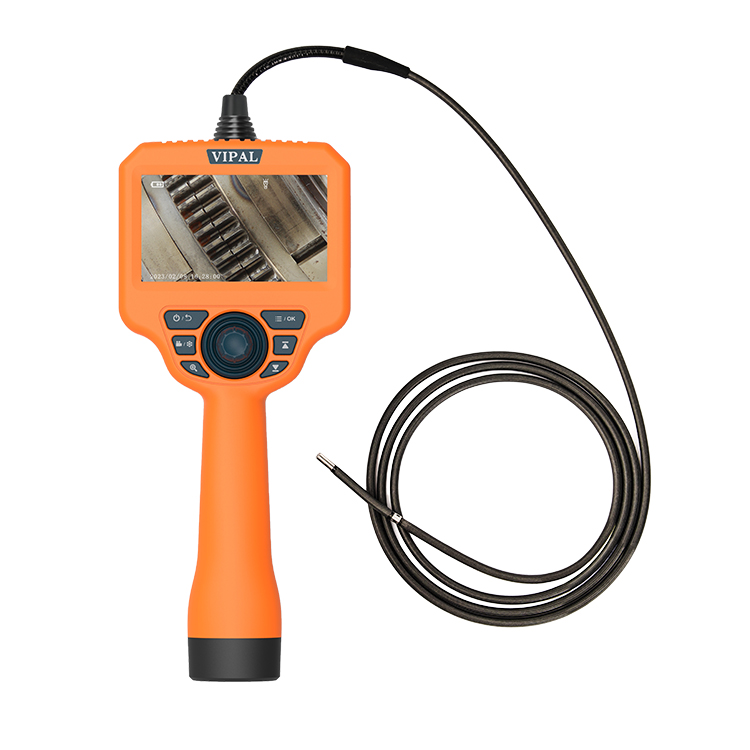

Wind Turbine Gearbox Inspection with an Industrial Borescope
Category: Wind Power-
On: 2026-08-31
Wind Turbine Gearbox Inspection with an Industrial Borescope
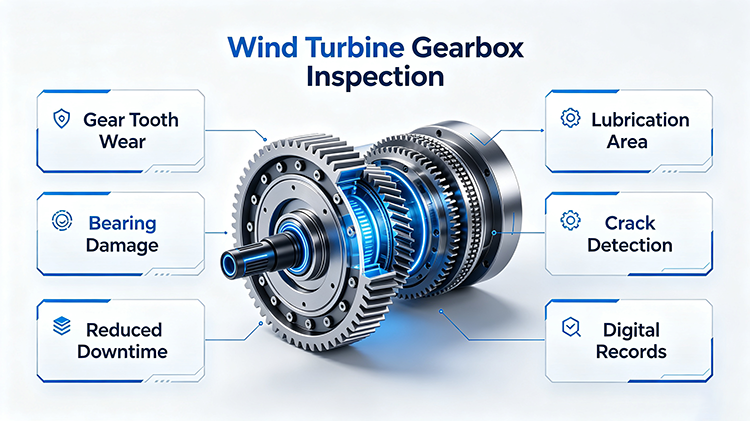
Wind turbine gearboxes contain multiple gears, bearings, shafts, and other mechanical components working under continuous loads.
Inspecting these internal components can be difficult because they are enclosed inside the gearbox housing.
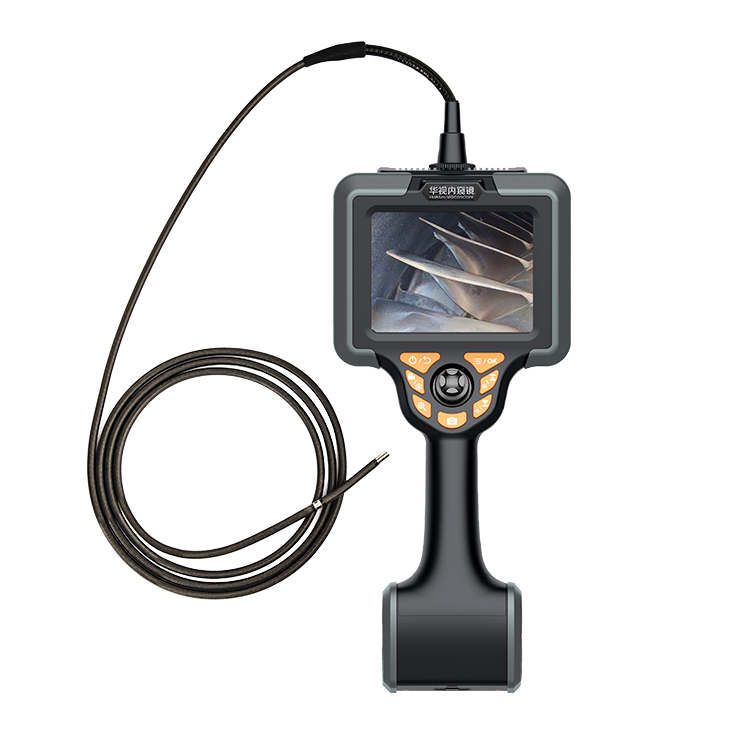
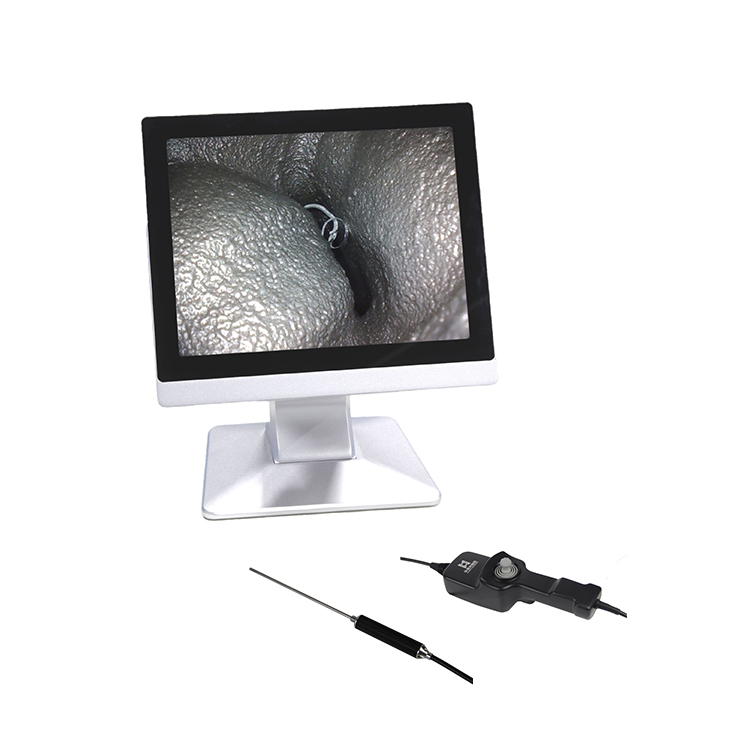
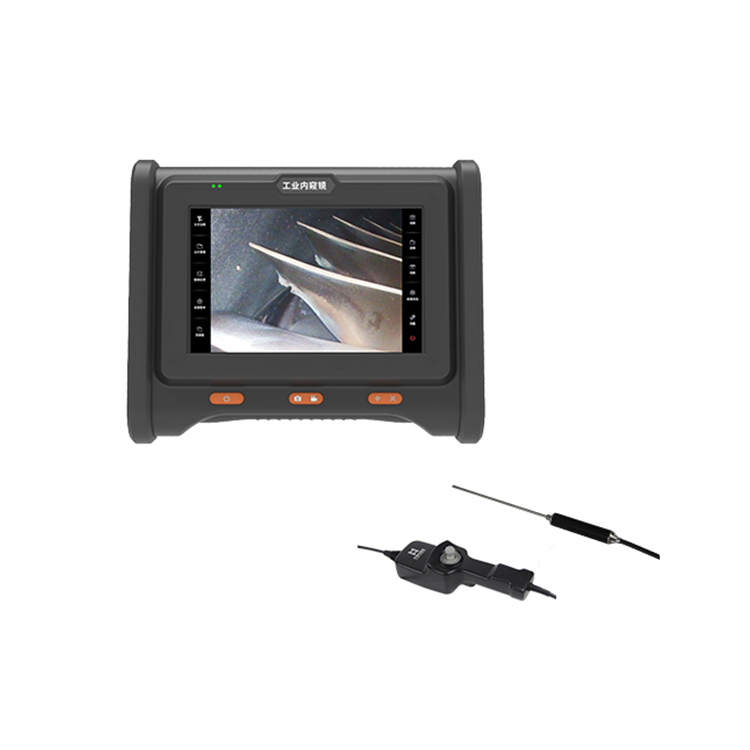
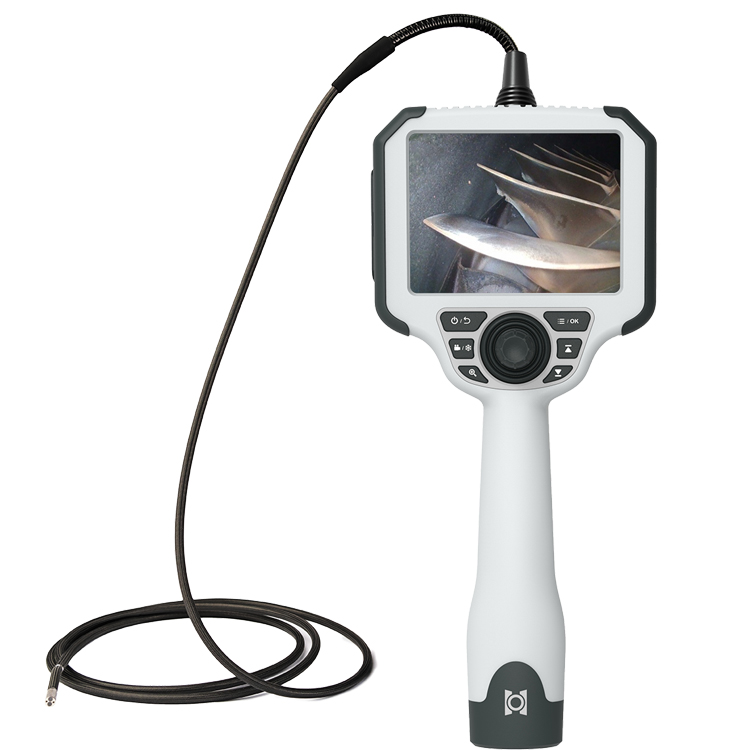
An industrial borescope provides a practical way to visually inspect accessible internal areas through suitable inspection openings.
Why Inspect Wind Turbine Gearboxes?
Gearboxes operate continuously and may experience:
Mechanical loads
Vibration
Temperature changes
Lubrication-related issues
Gear contact
Long operating cycles
Visible signs of abnormal conditions may include:
Gear tooth damage
Surface wear
Pitting
Corrosion
Scratches
Foreign material
Bearing surface abnormalities
Early visual inspection can provide useful information for maintenance teams.
What Can a Borescope Inspect Inside a Gearbox?
Depending on the gearbox design and access points, a videoscope may be used to examine:
Gear Teeth
Inspectors can visually check accessible gear surfaces for visible wear or damage.
Bearings
Accessible bearing surfaces can be examined for visible abnormalities.
Shafts and Internal Surfaces
The camera can inspect areas around shafts and other internal components.
Lubrication Areas
The inspection may also provide visual information about contamination or deposits.
How Is a Gearbox Borescope Inspection Performed?
A typical process includes:
Shut down and secure the equipment according to applicable procedures.
Identify an appropriate inspection opening.
Select a suitable probe.
Insert the probe carefully.
Adjust articulation.
Inspect gears and other target areas.
Capture images or video.
Record inspection findings.
Compare results with maintenance requirements and previous inspection records.
Why Is Articulation Important?
Gearboxes contain complex internal structures.
A straight probe may not provide a clear view of every target.
A flexible probe with directional articulation allows the operator to reposition the camera.
Four-way articulation can provide greater control when inspecting complex internal geometries.
What Borescope Specifications Matter?
For wind turbine gearbox inspection, consider:
Probe diameter
Probe length
Articulation
Camera resolution
Lighting
Field of view
Image recording
Probe durability
Environmental protection
The correct configuration depends on the gearbox design and inspection procedure.
Advantages of Borescope Inspection
Compared with inspection methods that require extensive disassembly, borescope inspection can provide direct visual information through an existing access point.
Potential benefits include:
Reduced inspection time
Less unnecessary disassembly
Easier documentation
Faster visual assessment
Historical image comparison
Borescope Inspection as Part of Maintenance
A borescope should be considered one part of a broader inspection and maintenance program.
Visual inspection can provide important information about accessible surfaces, but other diagnostic technologies may be required for conditions that cannot be identified visually.
Conclusion
Industrial borescopes provide a practical solution for inspecting accessible internal components of wind turbine gearboxes.
With suitable probe diameter, articulation, illumination, and imaging capabilities, an inspector can examine gear teeth, bearings, shafts, and other internal surfaces while documenting the inspection results.
Suggested Internal Links:
Wind Power
Industrial Borescopes
G10 Series
G20 Series
Customized Inspection Solutions