
Borescope vs Videoscope: What Is the Difference?
Category: News-
On: 2026-08-27
Borescope vs Videoscope: What Is the Difference?
Borescope and videoscope are two terms commonly used in industrial inspection.
For buyers who are new to remote visual inspection, the terminology can be confusing. Are they the same product? Which one should you choose?
The answer depends on the imaging technology and the application.
In modern industrial inspection, the term industrial borescope is often used as a broad category, while videoscope usually refers specifically to a borescope that uses an electronic camera and displays the image on a monitor.
What Is a Borescope?
A borescope is an inspection instrument designed to allow users to visually inspect areas that are difficult to access directly.
Traditional borescopes may use optical systems, fiber optics, or electronic imaging.
They can be rigid or flexible depending on the application.
Typical applications include:
Machinery inspection
Engine inspection
Internal hole inspection
Pipeline inspection
Casting inspection
Maintenance inspection
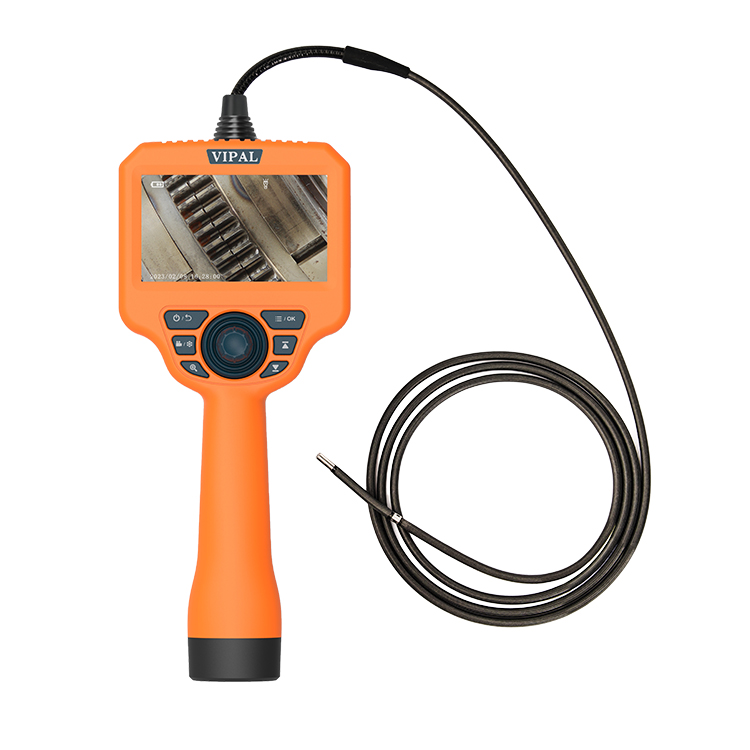
What Is an Industrial Videoscope?
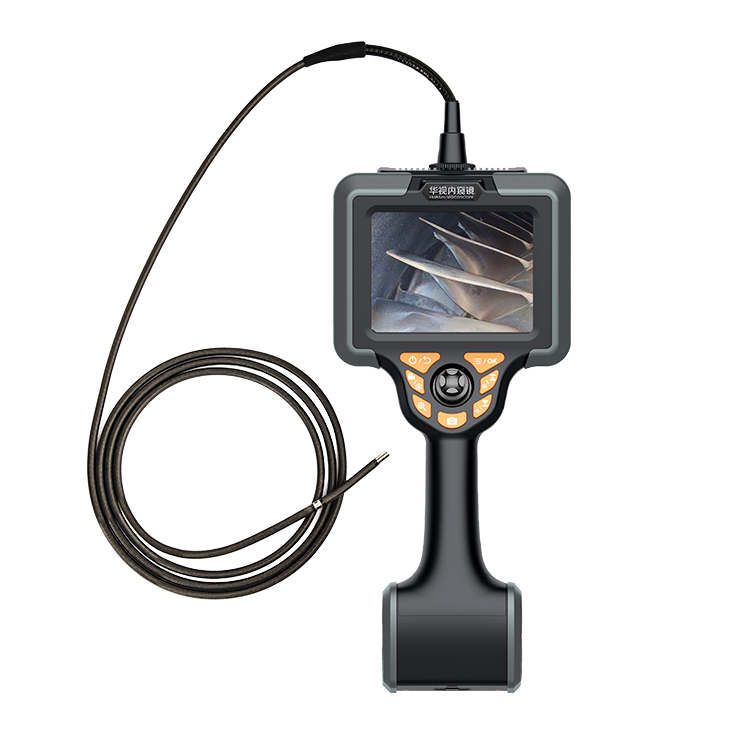
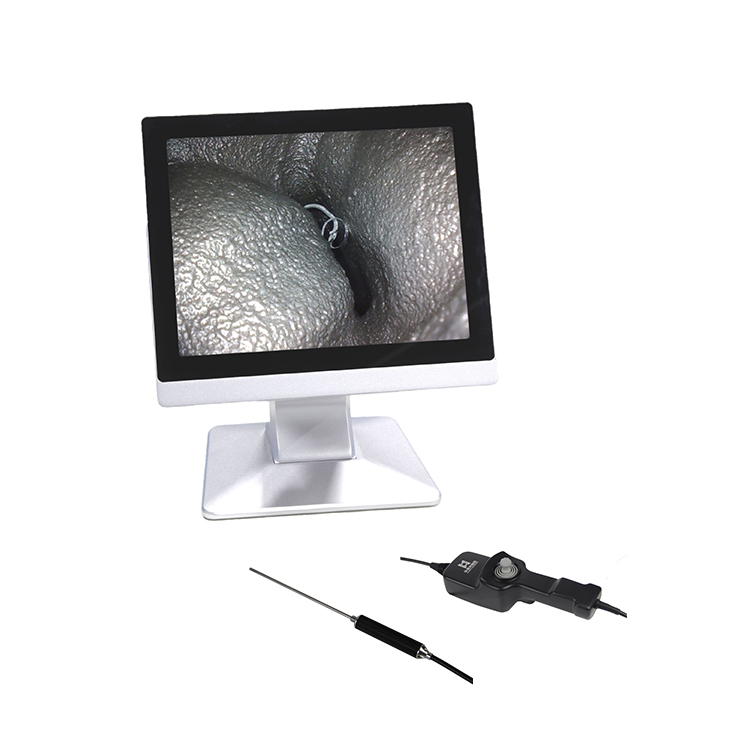
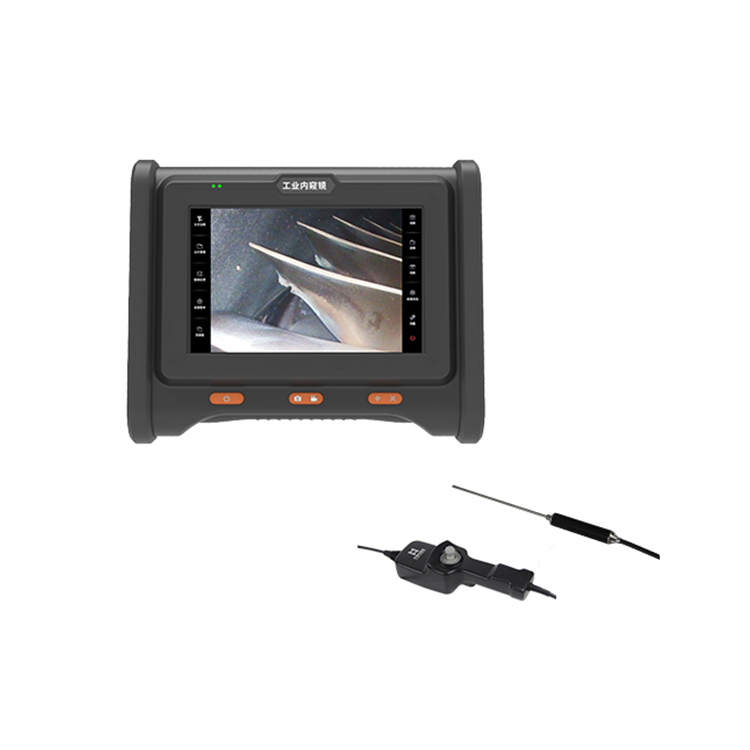
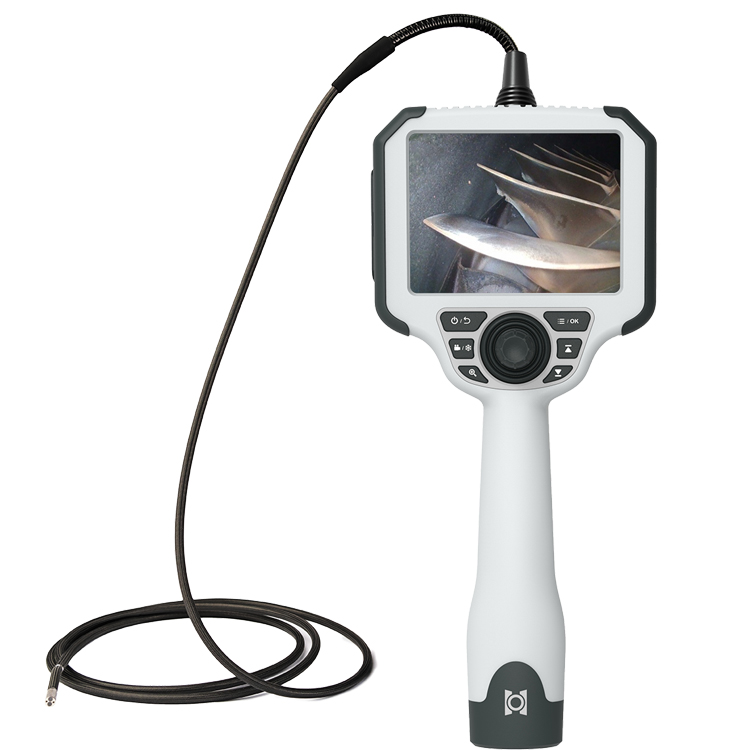
An industrial videoscope normally uses a miniature electronic image sensor at or near the distal end of the probe.
The sensor captures the image and sends the electronic signal to a display system.
Modern videoscopes can integrate:
HD imaging
LED illumination
Articulation
Photo recording
Video recording
Image processing
Measurement
Digital storage
This makes videoscopes particularly suitable for professional remote visual inspection.
Borescope vs Videoscope: Main Differences
| Feature | Borescope | Videoscope |
|---|---|---|
| Definition | Broad inspection category | Electronic video inspection system |
| Imaging | Optical, fiber or electronic | Electronic camera |
| Display | May use eyepiece or display | Usually digital display |
| Recording | Depends on design | Common |
| Image Processing | Limited on traditional systems | Common |
| Articulation | Depends on design | Common on flexible systems |
| Measurement | Depends on system | Available on advanced models |
The exact features vary between manufacturers and product designs.
Which One Is Better?
There is no universal answer.
A rigid optical borescope can be an effective choice for straight-line inspection where a compact optical system is sufficient.
A flexible videoscope is usually more suitable when the inspection requires navigation through complex internal structures and digital image recording.
For professional industrial inspection, videoscopes provide additional flexibility because they can combine imaging, illumination, recording, and navigation in one system.
When Should You Choose a Flexible Videoscope?
A flexible videoscope is particularly useful when:
The inspection path is curved.
The target is deep inside equipment.
The operator needs to navigate around obstacles.
Images or videos must be recorded.
Multiple inspection locations must be documented.
The inspection requires articulation.
Common applications include aircraft engines, automotive engines, gearboxes, pipelines, turbines, and industrial machinery.
Why Is Image Recording Important?
A major advantage of a modern videoscope is the ability to save inspection results.
Photos and videos can be used for:
Inspection reports
Maintenance records
Defect documentation
Internal review
Customer communication
Comparison with previous inspections
This turns the borescope from a simple viewing device into a digital inspection tool.
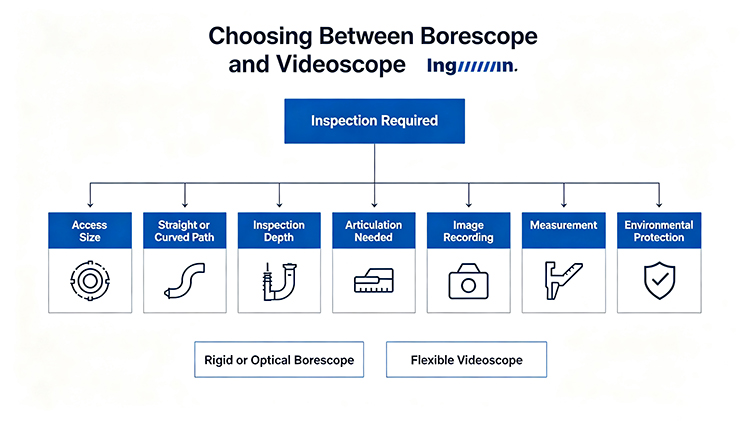
What Should You Consider When Choosing Between Them?
Before purchasing, consider:
1. Access
How large is the inspection opening?
2. Inspection Path
Is the path straight or curved?
3. Depth
How far must the probe travel?
4. Articulation
Does the camera need to turn around corners?
5. Documentation
Do you need photos and videos?
6. Measurement
Do you need to measure visible defects?
7. Environment
Will the equipment be exposed to water, oil, dust, or high temperatures?
Conclusion
Borescope is a broad term for instruments used to inspect difficult-to-access internal areas, while videoscope generally refers to an electronic borescope using a camera and display system.
For modern industrial remote visual inspection, videoscopes offer a combination of imaging, illumination, articulation, recording, and inspection functions.
The right choice depends on the inspection environment rather than the product name alone.
Secondary Keywords: Industrial Borescope, Industrial Videoscope, Video Borescope, Flexible Borescope, Remote Visual Inspection