
Borescope Crack Inspection: How to Detect Internal Cracks and Defects
Category: News-
On: 2026-09-15
Cracks are among the most important visible defects inspectors look for during industrial equipment inspection.
However, many components contain internal surfaces that cannot be inspected directly.
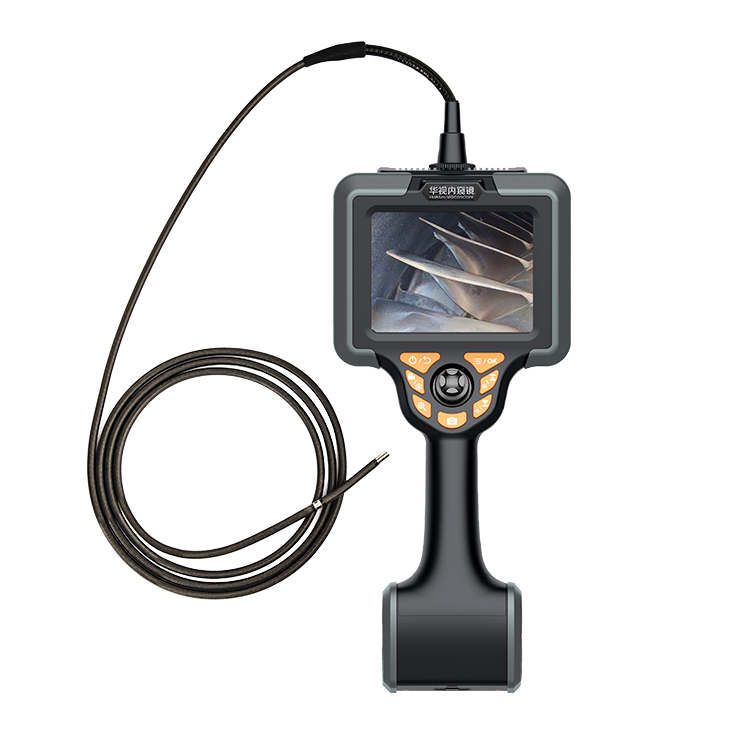
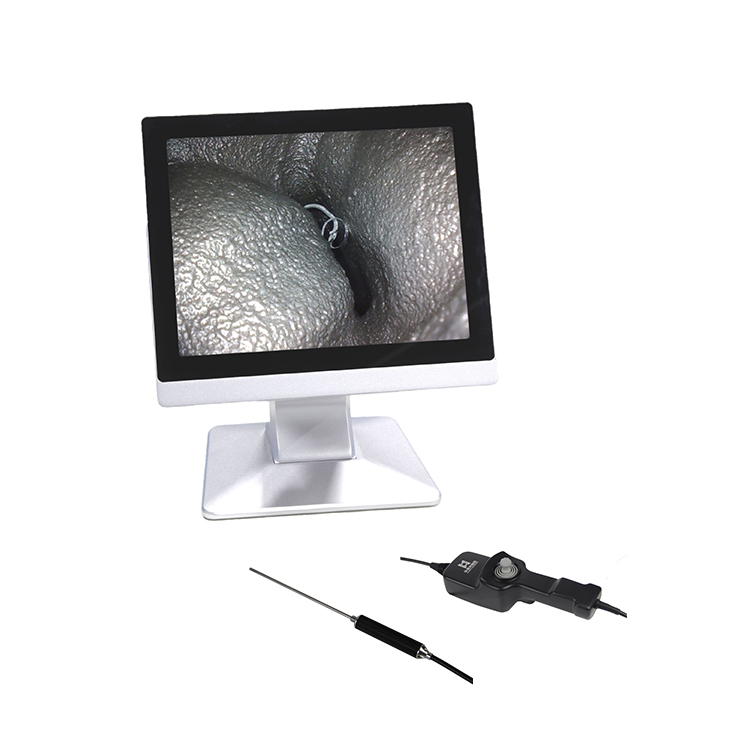
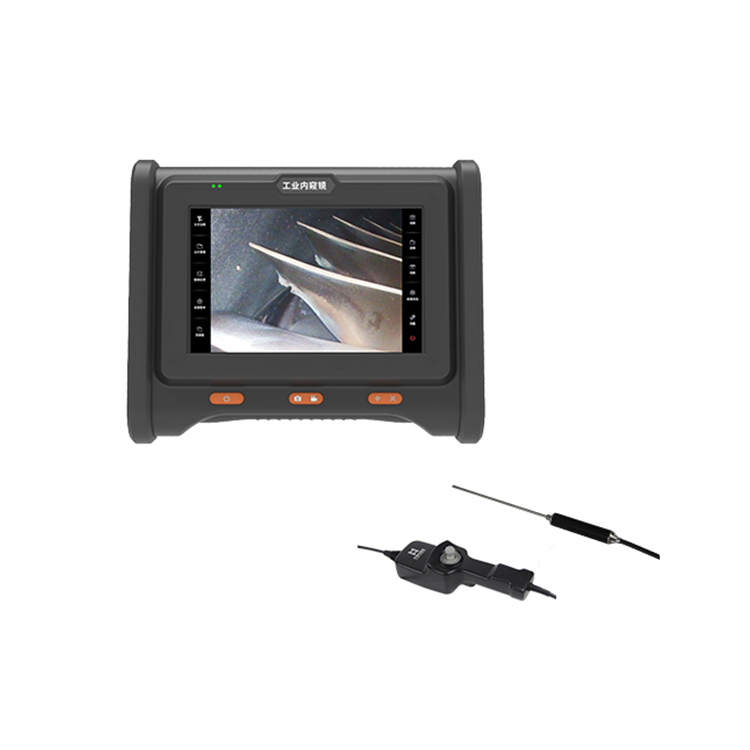
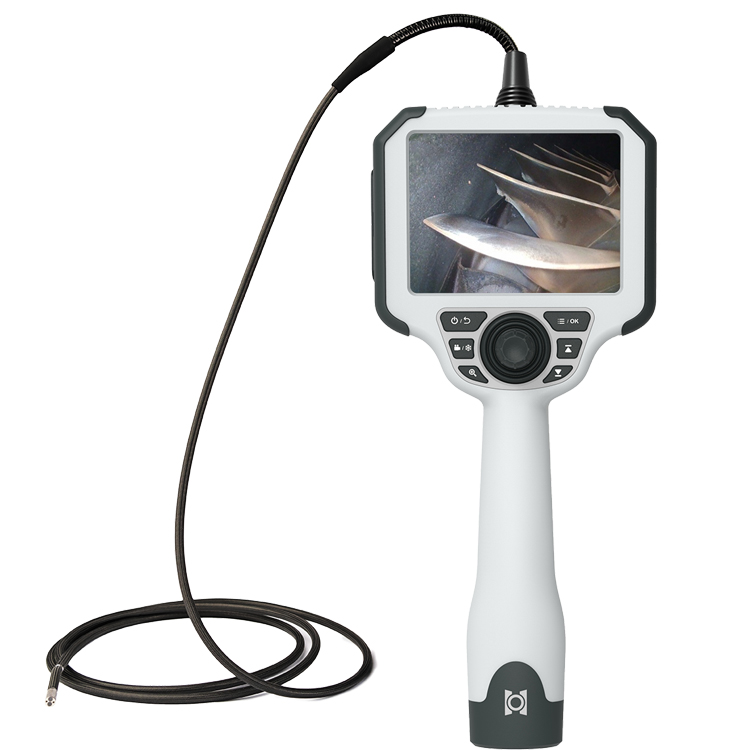
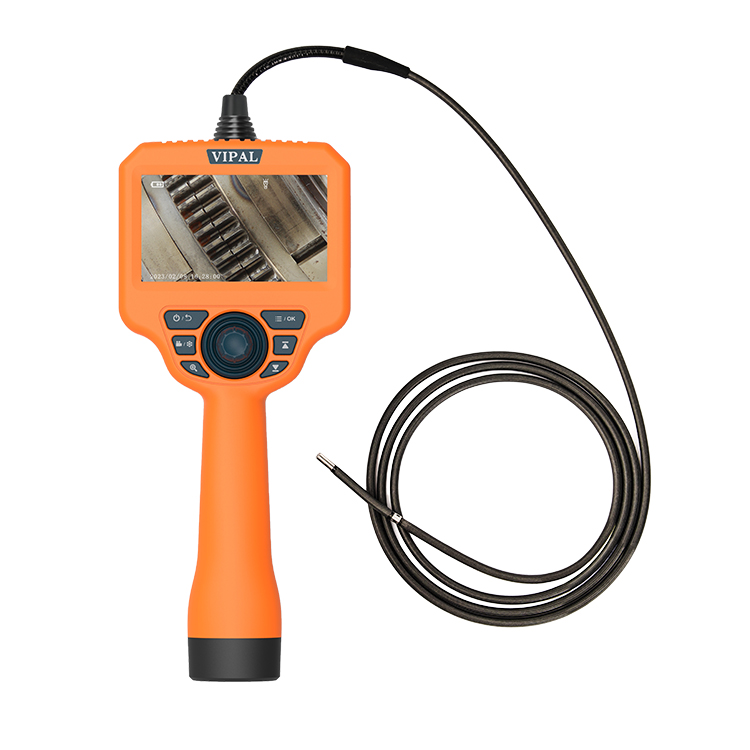
An industrial borescope can provide remote visual access to these areas and help inspectors identify and document visible crack-like indications.
Where Can Borescopes Be Used for Crack Inspection?
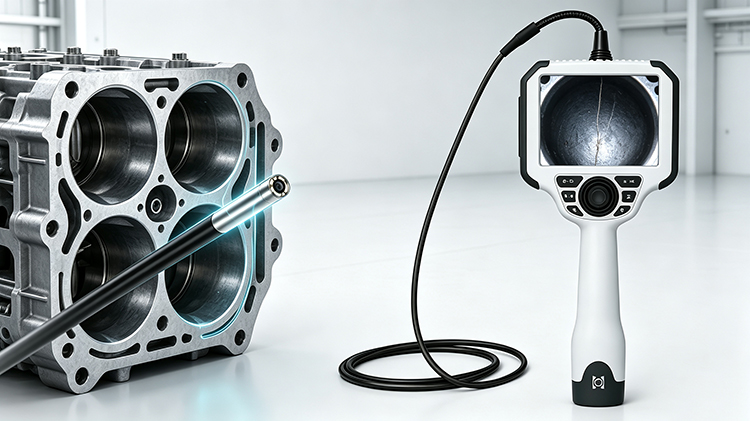
Industrial videoscopes may be used for visual inspection of:
Engine cylinders
Gearboxes
Turbine components
Pipes and tubes
Welds
Castings
Molds
Machinery
Internal cavities
The actual capability depends on access and defect visibility.
What Does a Crack Look Like Through a Borescope?
Visible cracks may appear as:
Fine linear indications
Irregular surface lines
Branching marks
Localized separations
Discoloration associated with surface damage
The ability to see a crack depends on its width, depth, orientation, lighting, camera resolution, surface condition, and viewing angle.
Factors Affecting Crack Detection
Probe Diameter
Smaller probes allow access through smaller openings.
Image Resolution
Higher image resolution may provide more image detail, but resolution alone does not guarantee detection of a particular defect.
Lighting
Correct lighting is essential. Excessive reflections can make surface indications harder to evaluate.
Viewing Direction
A side-view camera may be advantageous when the crack is located along the sidewall.
Articulation
Articulation helps position the camera at a favorable inspection angle.
Crack Inspection in Different Applications
Engine Inspection
A borescope may be used to visually inspect cylinder walls, combustion chambers, and other accessible engine areas.
Gearbox Inspection
Inspectors may examine accessible gears, bearings, and housing surfaces.
Pipe Inspection
Borescopes can help inspect accessible internal pipe surfaces and weld areas.
Casting Inspection
Internal casting cavities can be inspected for visible surface defects.
Borescope Inspection vs NDT Crack Detection
A critical distinction should be made.
A borescope provides remote visual inspection. It does not automatically replace specialized crack-detection methods.
Depending on the application and applicable inspection requirements, other methods may include:
Ultrasonic testing
Radiographic testing
Magnetic particle testing
Dye penetrant testing
If a suspicious indication is identified visually, additional testing may be required.
A borescope crack inspection can be a practical first-line visual inspection method for accessible internal surfaces.
The best system depends on access diameter, viewing angle, articulation, illumination, image quality, and inspection depth.
WorldNDT provides industrial videoscope configurations for engines, gearboxes, pipes, castings, turbines, and other industrial applications.