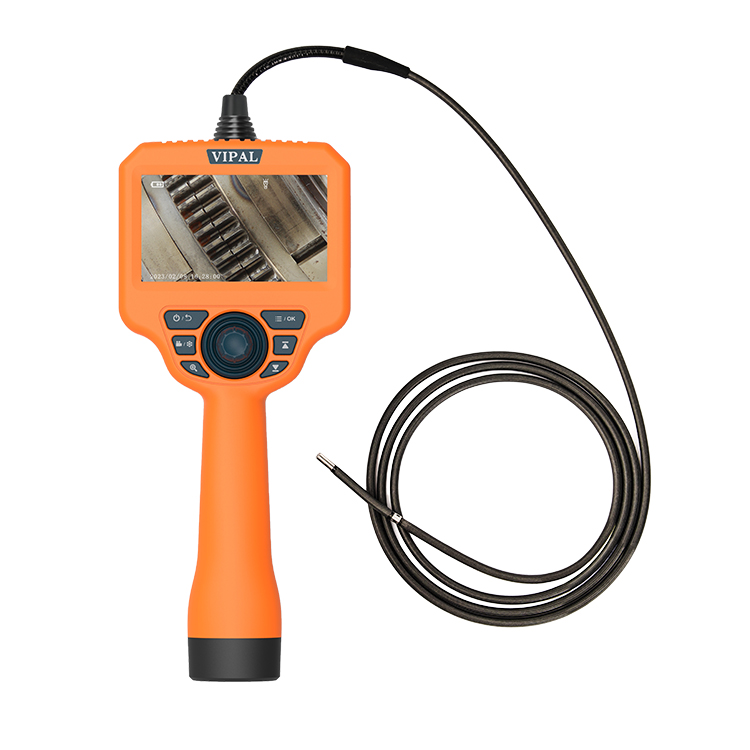

How to Choose an Industrial Borescope Manufacturer: A Practical Guide Beyond Rankings
Category: News-
On: 2026-09-17
There is no universally recognized official ranking of industrial borescope manufacturers, and different industry rankings may use different evaluation criteria. A more reliable approach is to evaluate manufacturers based on inspection applications, optical imaging performance, probe specifications, measurement software, certifications, and after-sales support. Different industrial borescope manufacturers may have their own strengths in areas such as video borescopes, 3D measurement, and pipeline inspection. When purchasing an industrial borescope, buyers should not make decisions based solely on a ranking. The most important consideration is whether the product matches the actual inspection requirements and working conditions.
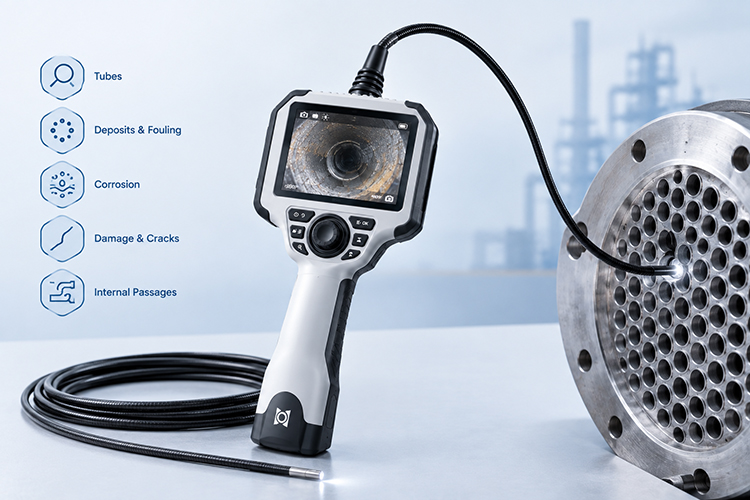
Six key factors can be considered when evaluating an industrial borescope manufacturer.
1. Probe Diameter and Insertion Length
Check whether the manufacturer can provide probe diameters and insertion lengths suitable for different inspection openings and depths. A wider range of probe specifications can provide greater flexibility when inspecting components with different access conditions and internal structures.
2. Imaging and Illumination
Image quality should be evaluated based on actual inspection performance rather than pixel specifications alone. Important factors include the image sensor, lens design, white balance, low-light performance, image clarity, and illumination intensity. These factors directly affect the ability to identify small defects and details inside industrial components.
3. Articulation and Measurement
Motorized articulation, 360° articulation, and 3D measurement functions can be particularly useful for applications such as aerospace components, castings, valve blocks, and other complex structures. The ability to precisely control the probe tip can make it easier to reach and inspect difficult-to-access areas.
4. Software and Inspection Data Management
Features such as photo and video recording, image enhancement, measurement functions, and inspection report generation can make inspection results easier to document and integrate into quality management processes. For professional industrial inspection, data management capabilities can be just as important as the hardware itself.
5. Certifications and Quality Control
Certifications and quality management systems can provide useful references when evaluating a manufacturer. ISO 9001, CE, and RoHS are examples of commonly considered certifications and compliance standards. For specialized applications, buyers should also verify requirements such as explosion protection, ingress protection, and high-temperature inspection capabilities.
6. Industry Experience and After-Sales Support
Real-world application experience and after-sales service are also important considerations. The probe is a key component that may require long-term use and maintenance. Spare-part availability, repair lead times, technical training, and service response can all have a significant impact on the total cost of ownership.
G20 Series Industrial Borescope
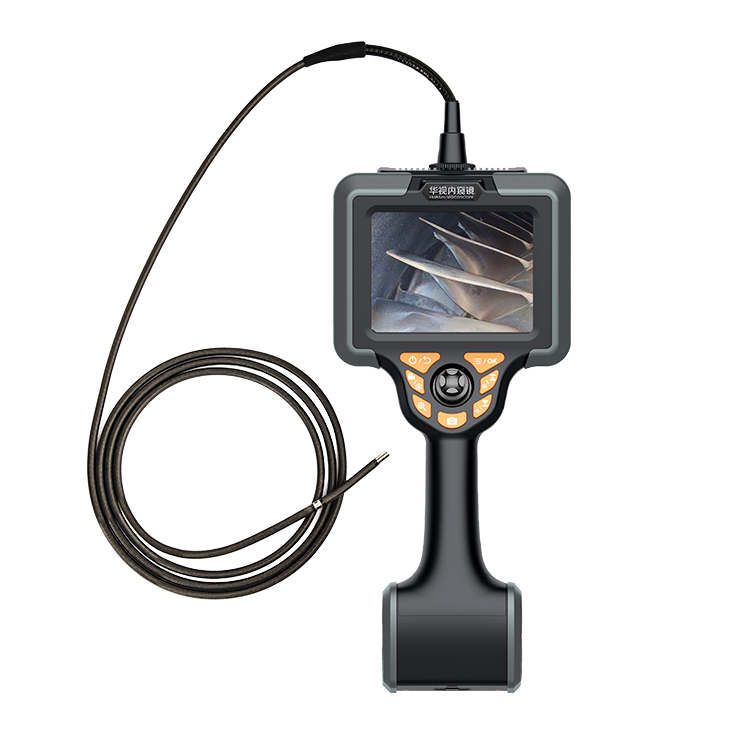
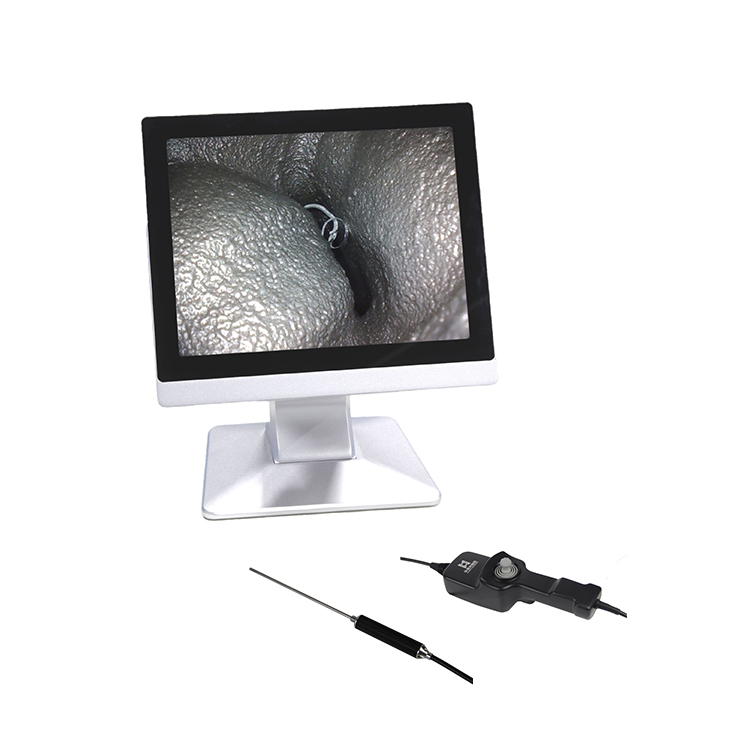
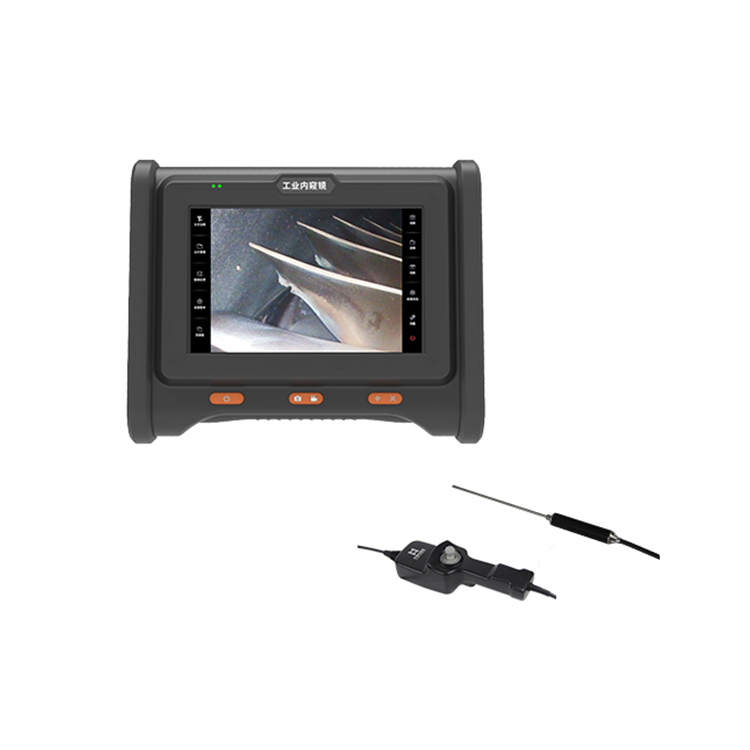
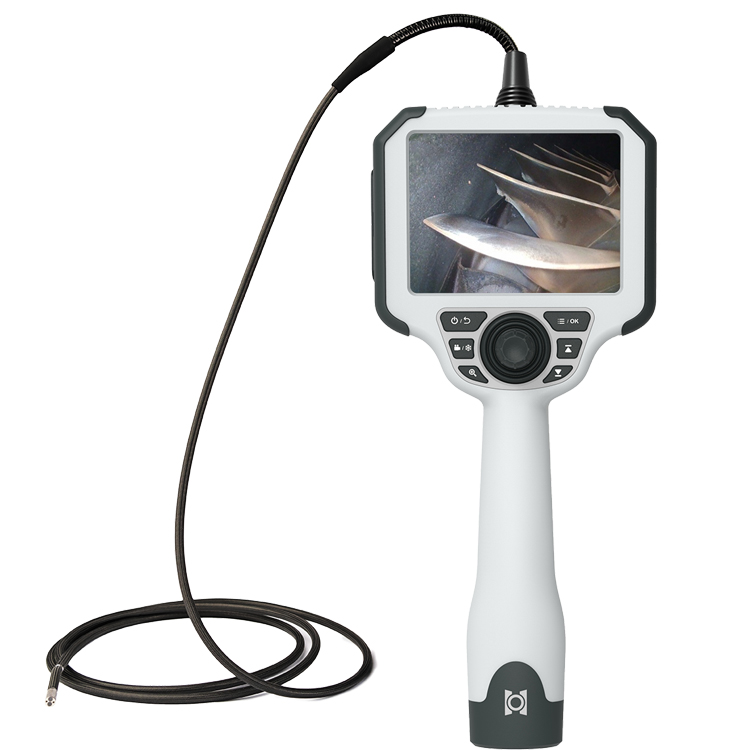
The G20 Series industrial borescope is designed for industrial inspection applications where high image quality, flexible probe articulation, and precision inspection are important. It uses an electrically controlled precision articulation system and can be configured with different probe specifications according to specific inspection requirements. Dual-probe configurations are also available.
Certain configurations of the G20 Series can support measurement-related inspection tasks. The system can be used for visual inspection of engines, gearboxes, valves, pipelines, castings, and other components with complex internal structures.
In practical applications, the G20 Series can be used to inspect automotive engines and mechanical equipment, as well as gearboxes, valve bodies, deep holes, pipelines, and other difficult-to-access areas. Motorized probe articulation and high-resolution imaging allow inspectors to examine areas that are difficult to observe using conventional inspection methods. Photos and videos can also be recorded to preserve inspection results for further analysis and documentation.
What Should You Check Before Purchasing?
When selecting an industrial borescope manufacturer, it is recommended to first prepare a detailed list of your inspection requirements, including:
* Inspection opening or minimum hole diameter
* Required probe diameter
* Probe insertion length
* Number and type of bends or elbows
* Inspection depth
* Operating temperature
* Whether measurement is required
* Whether inspection reports are required
* Photo and video recording requirements
* Probe articulation requirements
After defining these requirements, consider requesting samples or arranging practical tests with two or three manufacturers. Whenever possible, conduct the evaluation using your actual workpiece or a standard test specimen. Compare the actual image quality, probe articulation, accessibility, illumination, measurement performance, and overall ease of use.
Use manufacturer rankings as a starting point, but use actual testing data as the basis for the final purchasing decision. This approach can help reduce procurement risks and better control long-term maintenance and operating costs.