
Industrial Borescope for Quality Control: How Videoscopes Support Visual Inspection
Category: News-
On: 2026-09-15
Quality control is not limited to inspecting external surfaces.
Many industrial products contain internal cavities, holes, channels, welds, and other areas that cannot be inspected easily with conventional visual inspection.
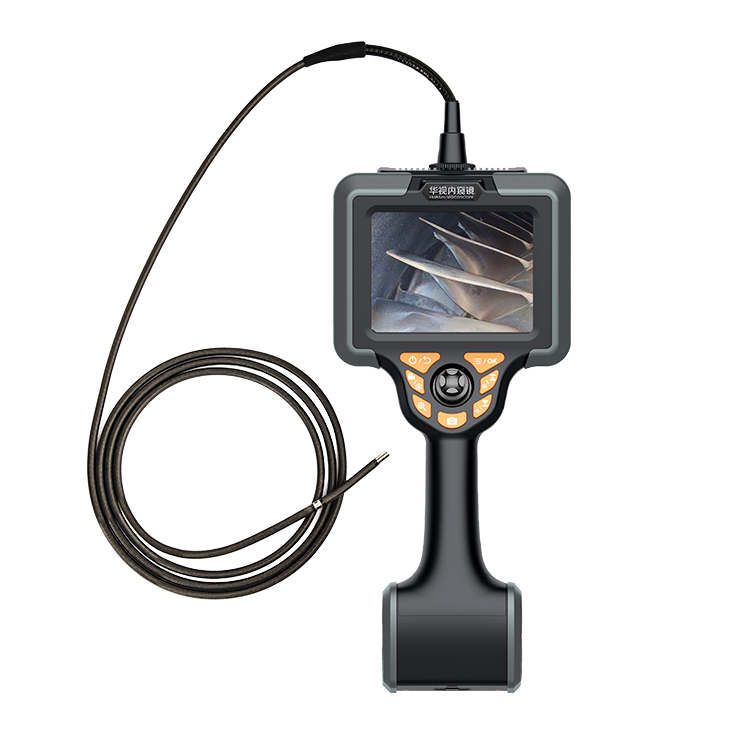
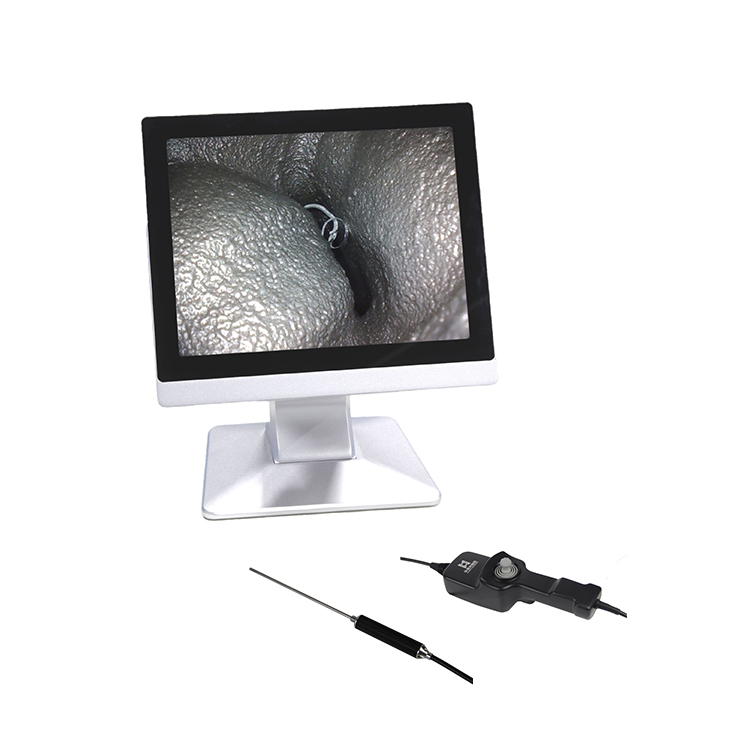
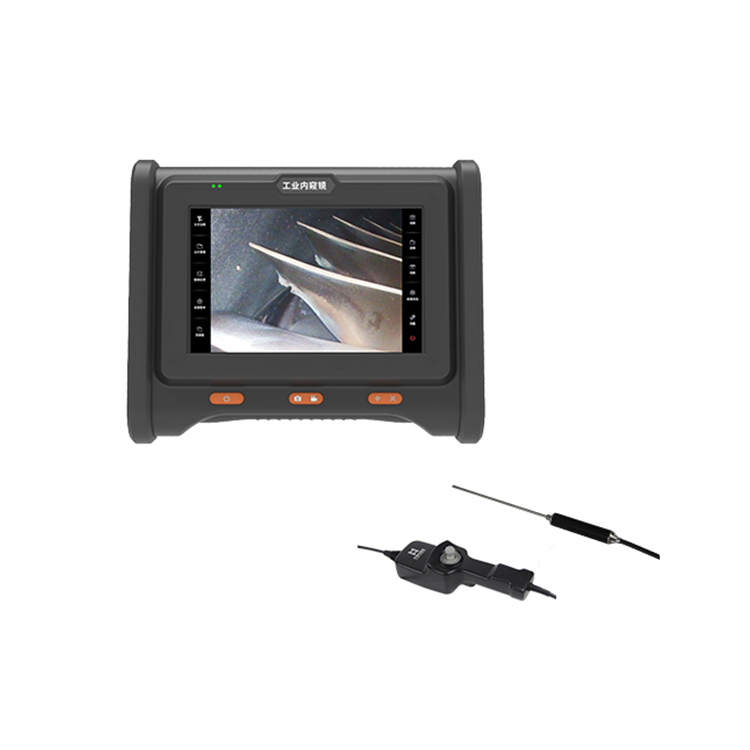
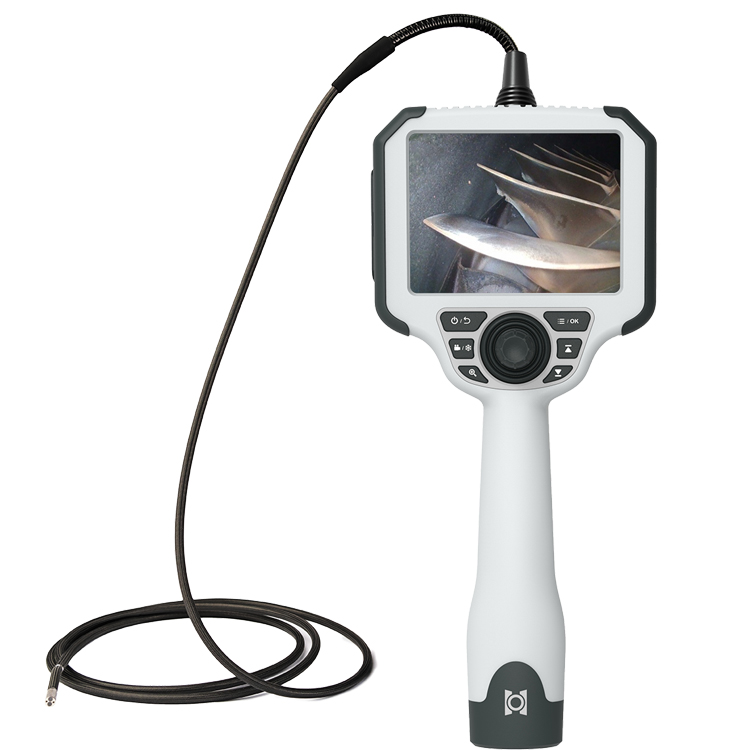
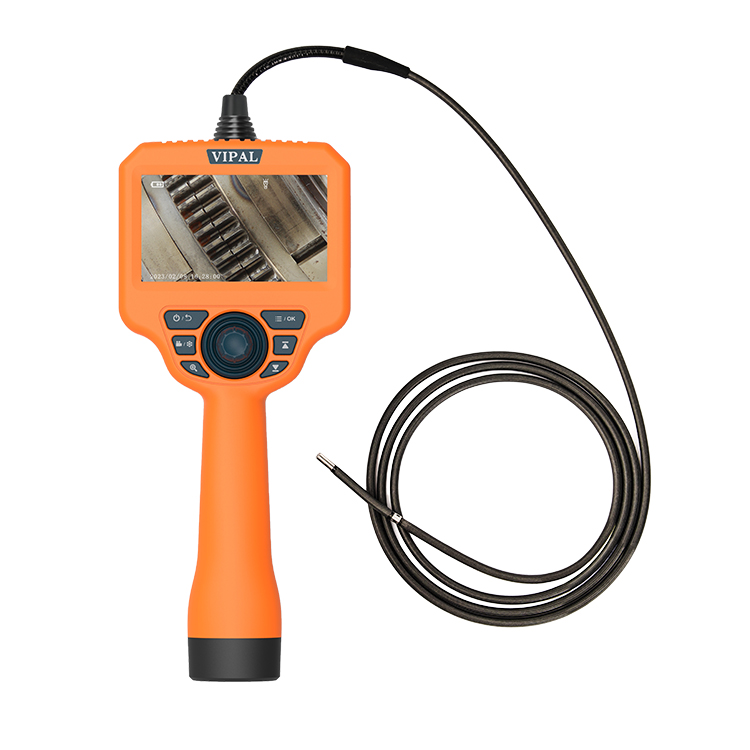
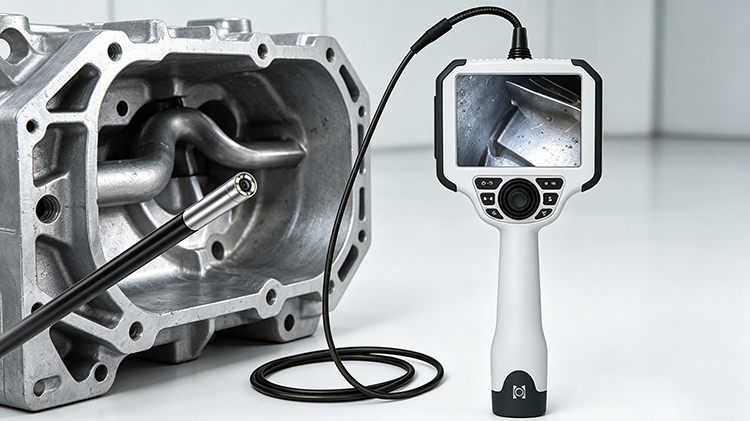
An industrial borescope for quality control provides remote visual access to these difficult-to-reach areas.
This can help manufacturers identify visible defects, document inspection results, and improve inspection coverage.
Why Use a Borescope for Quality Control?
Traditional visual inspection is often limited by line of sight.
A videoscope can extend the inspector's visual access into:
Small holes
Internal cavities
Pipes
Welded structures
Castings
Molds
Engines
Gearboxes
Machinery
This makes industrial borescopes useful for both production inspection and maintenance-related quality checks.
Common Quality Control Applications
Casting Inspection
Borescopes can inspect internal casting cavities and difficult-to-access areas for visible surface defects, deposits, or other abnormalities.
Weld Inspection
Internal welds inside pipes and structures can be visually inspected where access permits.
Automotive Components
Engine cylinders, transmission components, and other internal areas can be inspected without complete disassembly.
Machinery
Gears, bearings, housings, and other components can be visually checked through suitable access points.
Mold Inspection
Mold cavities and cooling channels can be inspected for visible contamination, corrosion, wear, and deposits.
What Defects Can Be Inspected?
Depending on the application, quality inspectors may look for:
Cracks
Scratches
Corrosion
Pitting
Wear
Burrs
Deposits
Foreign material
Surface irregularities
Casting defects
Weld surface indications
The ability to identify a particular defect depends on its size, location, orientation, accessibility, lighting, and imaging system.
Choosing an Industrial Inspection Camera
Probe Diameter
The first question is often:
Can the camera physically enter the inspection opening?
For small holes, a small-diameter borescope may be required.
Probe Length
Deep internal inspection requires sufficient probe length.
Articulation
4-way or other articulating configurations can help position the camera.
Viewing Direction
Forward-view, side-view, or dual-view systems should be selected according to the inspection geometry.
Resolution
Image quality should be appropriate for the required inspection task.
Measurement
When quantitative dimensional information is required, a measurement-capable videoscope may be considered.
Building a Quality Control Inspection Process
A consistent inspection process is important for repeatability.
A typical workflow is:
1. Define the inspection area
Identify exactly which internal surfaces need to be checked.
2. Define the defect criteria
Determine which visible conditions are considered acceptable or unacceptable.
3. Select the inspection equipment
Choose probe diameter, length, articulation, viewing direction, and imaging configuration.
4. Standardize the inspection method
Use consistent insertion paths, viewing angles, and lighting where practical.
5. Record inspection evidence
Capture photographs or videos of relevant findings.
6. Compare results
Use previous inspection records or reference samples where appropriate.
7. Escalate abnormal findings
Additional inspection methods may be required for indications that cannot be evaluated visually.
Borescope Inspection for High-Volume Production
For high-volume manufacturing, inspection efficiency becomes especially important.
A fixed inspection station may be more practical than a completely mobile inspection process when the same component is inspected repeatedly.
In this situation, manufacturers can consider:
Standardized inspection fixtures
Dedicated probes
Fixed camera positions
Defined inspection procedures
Image recording
Reference samples
Customized inspection solutions
For complex production requirements, OEM/ODM customization may also be considered.
Quality Control and Remote Visual Inspection
Industrial borescopes are part of the broader Remote Visual Inspection (RVI) approach.
They provide visual information where direct access is difficult.
However, they should be used according to the inspection procedure and quality requirements of the specific product or industry.
A visual borescope inspection does not automatically replace dimensional inspection or other NDT methods when those methods are required.
An industrial borescope for quality control can extend visual inspection into internal areas that are difficult or impossible to inspect directly.
The right system depends on the inspection opening, depth, internal geometry, required image quality, viewing direction, articulation, and whether measurement is required.
WorldNDT provides industrial borescope and videoscope solutions for manufacturing, casting, automotive, machinery, power generation, oil and gas, aviation, and other inspection applications.