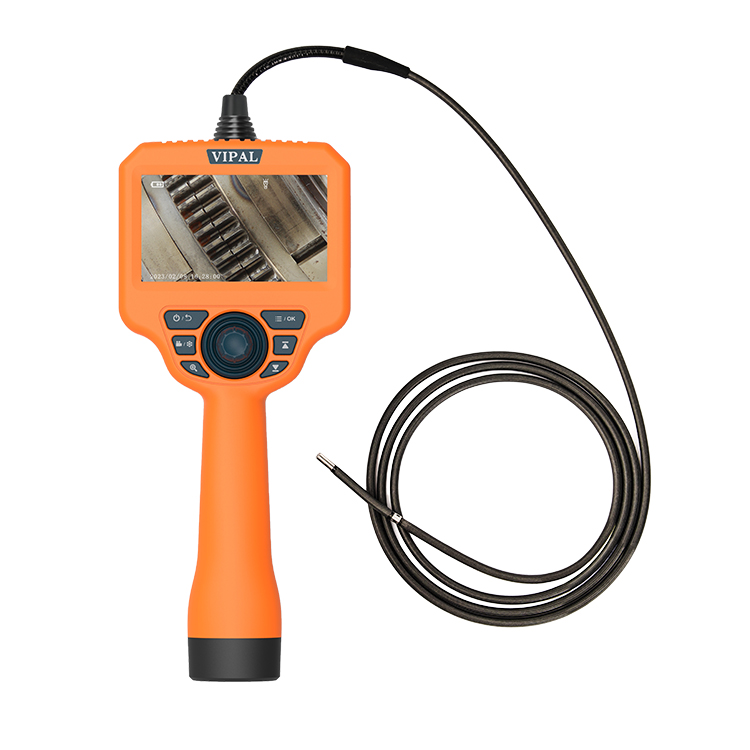

2-Way vs 4-Way Articulation: Which Borescope Is Right for You?
Category: News-
On: 2026-08-31
2-Way vs 4-Way Articulation: Which Borescope Is Right for You?
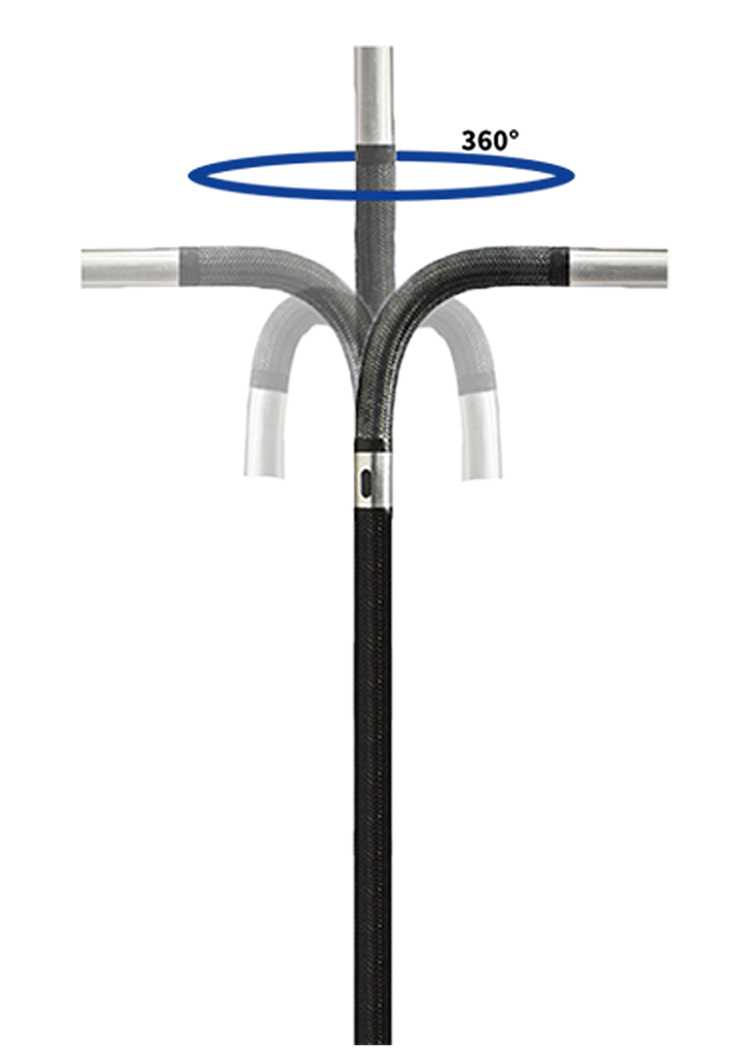
2-Way vs 4-Way Articulation
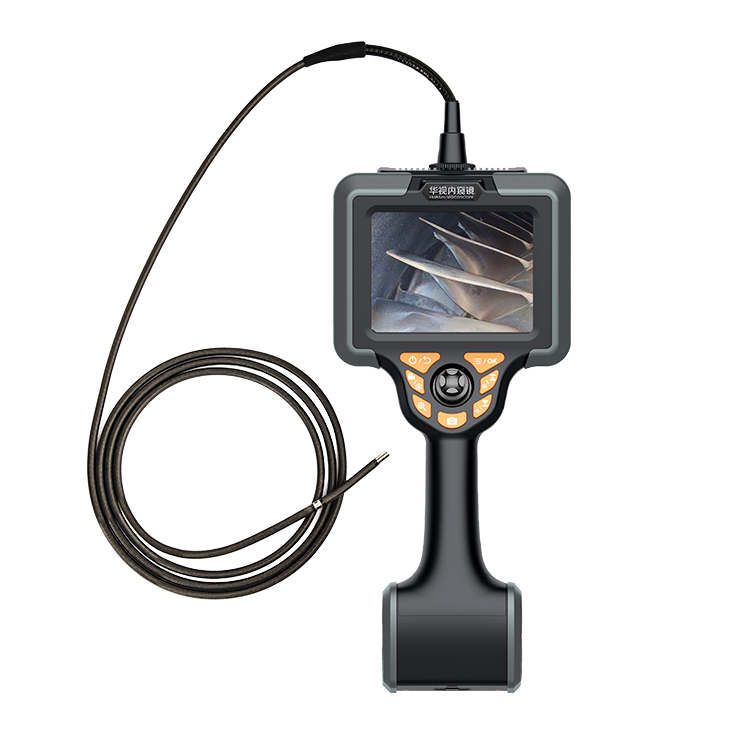
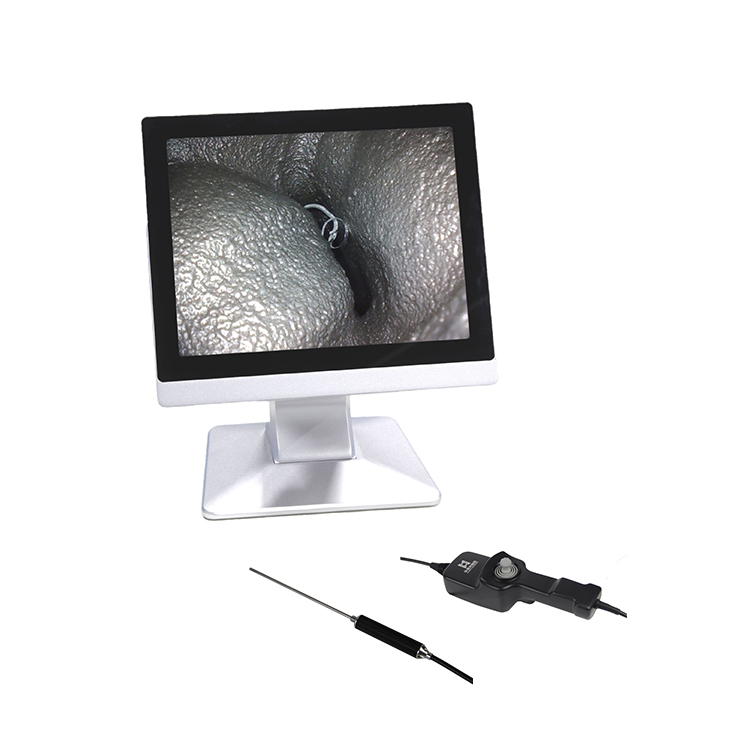
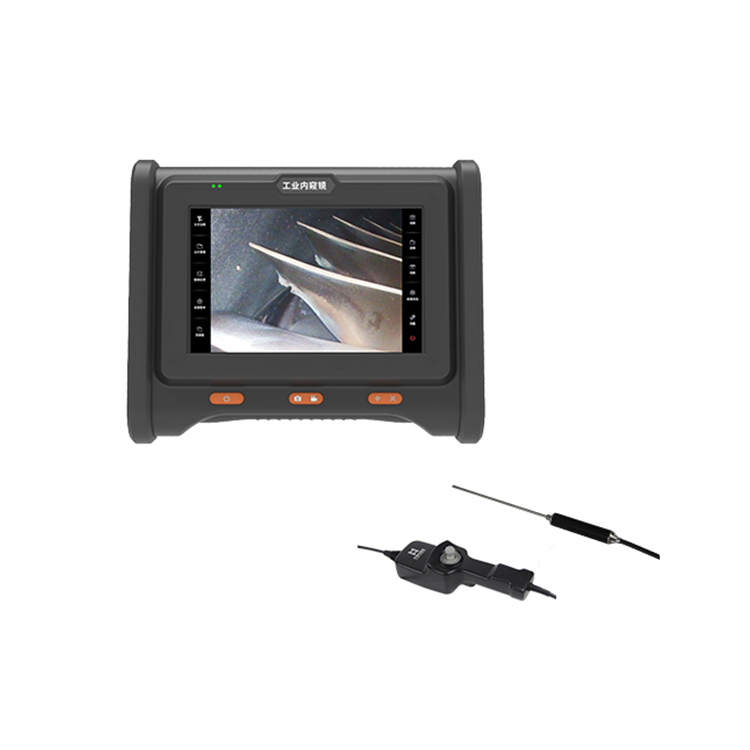
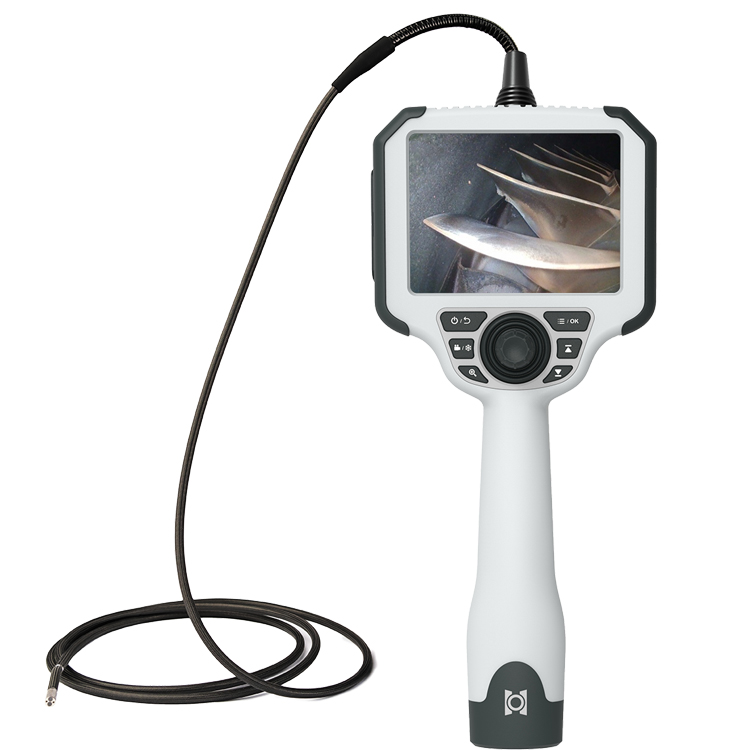
Articulation is one of the most important features of a flexible industrial borescope.
It controls how the camera tip moves inside the inspection area.
Depending on the design, an industrial borescope may provide 2-way, 4-way, or more advanced motorized articulation.
The right choice depends on the complexity of the inspection path.
What Is 2-Way Articulation?
A 2-way articulating borescope allows the distal tip to move in two directions.
This can be suitable for inspection tasks where the camera mainly needs to move along a relatively simple path.
Typical applications may include:
Straight or semi-straight passages
Simple mechanical components
Basic internal inspection
Applications where directional control requirements are limited
What Is 4-Way Articulation?
A 4-way articulating borescope provides movement in four directions.
This gives the operator greater control over the camera orientation.
Four-way articulation is particularly useful when the inspection target can be located in different directions relative to the insertion path.
2-Way vs 4-Way: Main Difference
| Feature | 2-Way | 4-Way |
|---|---|---|
| Directional control | Two directions | Four directions |
| Navigation | Basic | More flexible |
| Complex geometry | Limited | Better suited |
| Operation | Simple | More control |
| Typical use | Simpler inspection | Complex internal inspection |
The actual performance also depends on probe design, articulation angle, insertion tube stiffness, and control system.
When Should You Choose 2-Way Articulation?
Choose a 2-way system when:
The inspection path is relatively simple.
The target is easy to reach.
The camera does not need to look in many directions.
Cost and simplicity are important considerations.
When Should You Choose 4-Way Articulation?
A 4-way system may be preferable when:
The internal structure is complex.
The camera needs to look around obstacles.
Multiple surfaces must be inspected.
Precise camera positioning is important.
The inspection path contains bends.
Applications can include:
Aircraft engines
Gearboxes
Turbines
Complex machinery
Pipelines
Internal cavities
What About 360° Articulation?
Some advanced inspection systems provide a wider range of directional control.
The term 360° articulation generally refers to the ability to orient the distal tip through a broad range of directions.
The exact articulation mechanism and achievable movement depend on the product design.
Does More Articulation Always Mean Better?
Not necessarily.
More articulation can provide greater flexibility, but the correct system depends on the application.
For a simple inspection, a highly advanced articulation system may not be necessary.
For complex machinery, however, greater directional control can significantly improve inspection efficiency.
What Else Should You Consider?
When comparing articulation systems, also consider:
Probe diameter
Probe length
Maximum articulation angle
Control method
Probe stiffness
Image quality
Lighting
Inspection depth
Articulation should always be evaluated together with the complete probe design.
Conclusion
2-way and 4-way articulation systems serve different inspection requirements.
A 2-way system can be suitable for relatively straightforward inspection paths, while 4-way articulation provides greater directional control for complex internal structures.
The best choice depends on the geometry of the equipment and how much control the inspector needs over the camera tip.