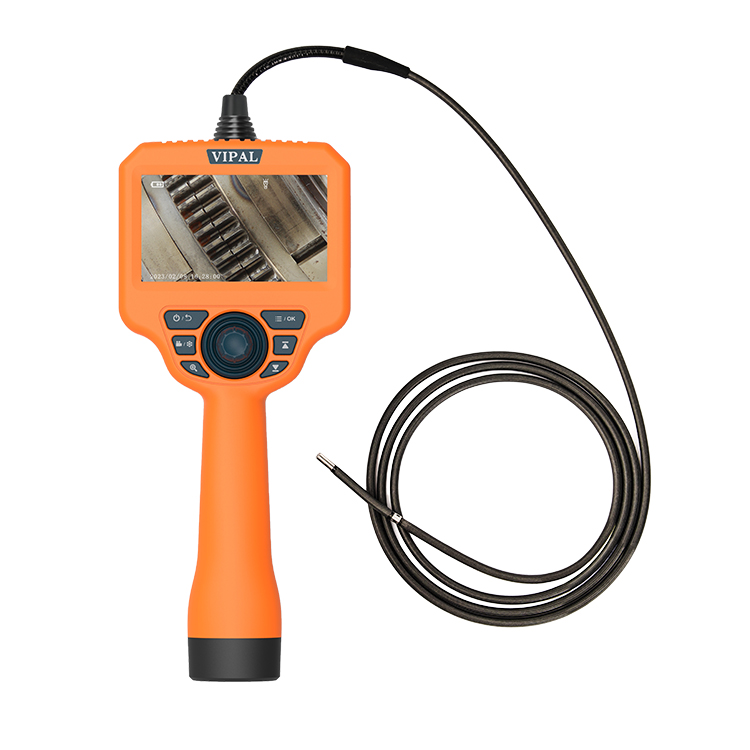

What Defects Can an Industrial Borescope Detect?
Category: News-
On: 2026-08-31
What Defects Can an Industrial Borescope Detect?
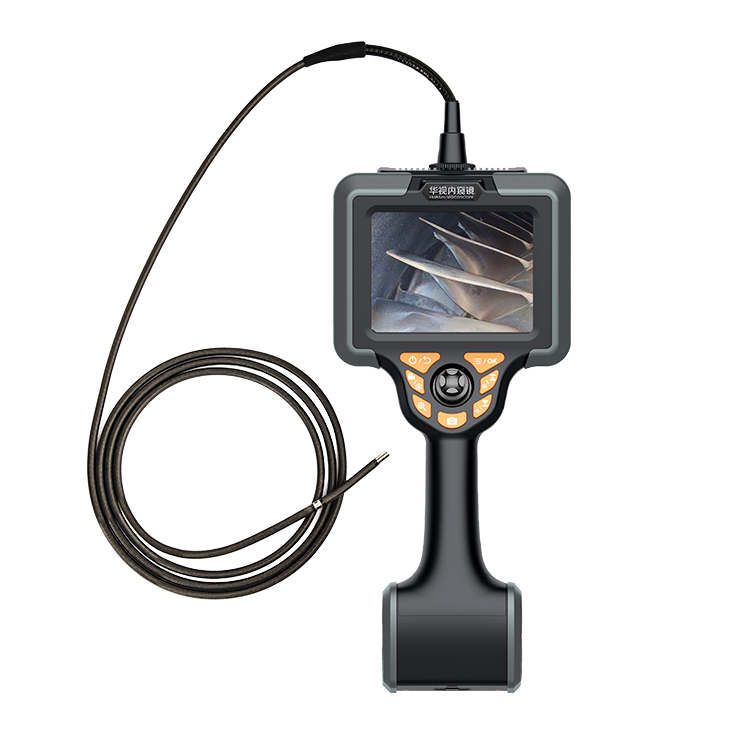
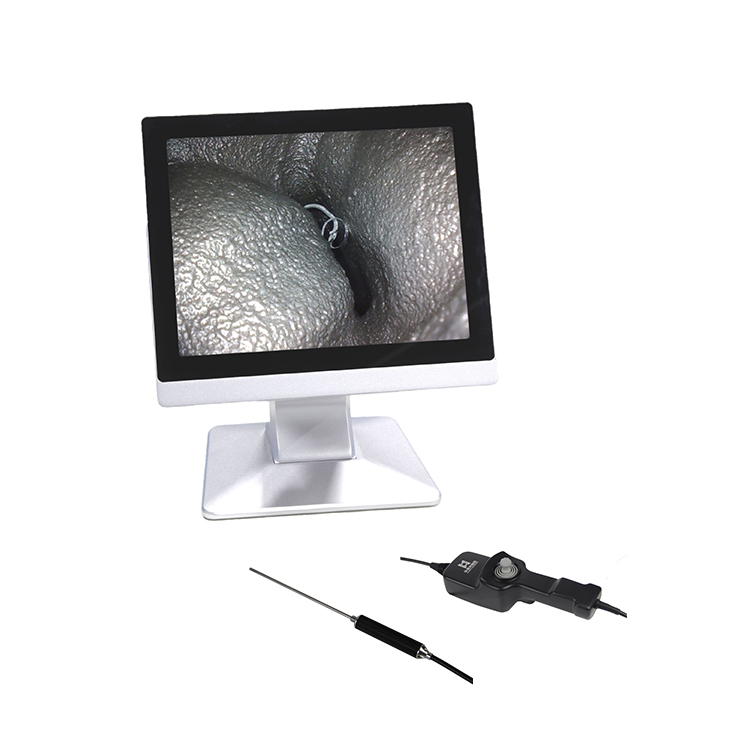
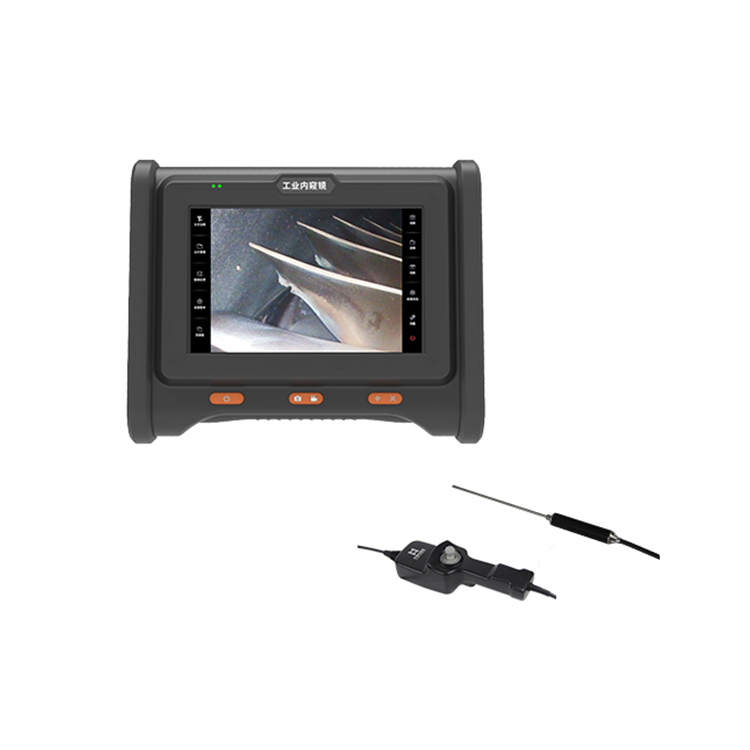
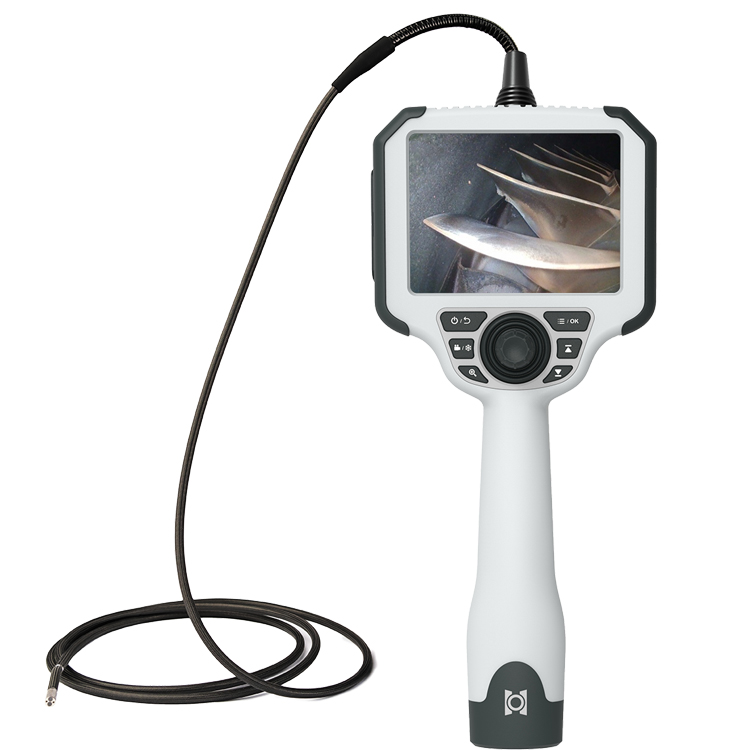
Industrial borescopes are designed to provide visual access to difficult-to-reach internal areas.
They can help inspectors identify visible surface conditions without immediately dismantling the equipment.
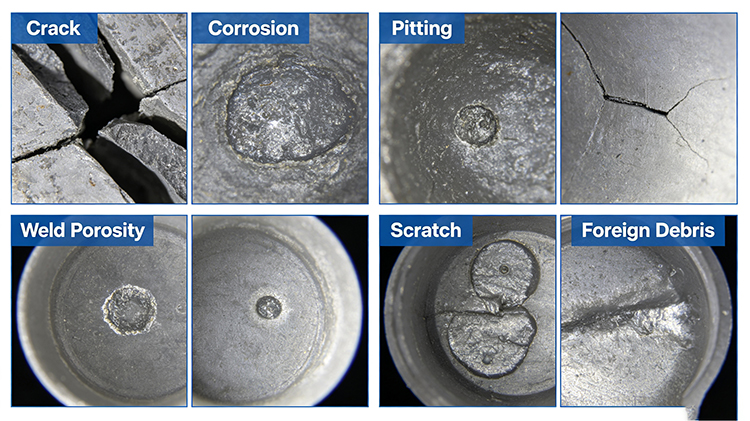
Depending on the image quality, lighting, access, surface condition, and inspector experience, a borescope may help identify several types of visible defects and abnormalities.
1. Cracks
Cracks are among the most important conditions that inspectors may look for during visual inspection.
A borescope can help inspect accessible surfaces for visible cracks, especially when the camera can be positioned close to the target.
However, extremely small or subsurface cracks may require other nondestructive testing methods.
2. Corrosion
Industrial equipment can experience different forms of corrosion.
A borescope may help identify visible:
Rust
Pitting
Surface oxidation
Corroded areas
Deposits associated with corrosion
Images can also be recorded for future comparison.
3. Gear Wear
Industrial gearboxes contain multiple surfaces that can experience wear.
A videoscope can help inspectors visually examine accessible gear teeth for:
Wear
Surface damage
Pitting
Scratches
Abnormal contact marks
This is particularly useful for gearbox inspection where direct access is limited.
4. Casting Defects
Industrial borescopes can also be useful during manufacturing and quality inspection.
Depending on the casting geometry, inspectors may visually identify:
Burrs
Surface irregularities
Foreign material
Visible cracks
Internal surface defects
Machining problems
Small probes can be particularly useful when internal passages are narrow.
5. Burrs
Machining processes can leave unwanted burrs inside holes and channels.
A small-diameter borescope can provide visual access to internal surfaces that may be difficult to inspect from the outside.
6. Foreign Objects
Foreign object debris or unwanted material can sometimes be identified visually.
Examples may include:
Metal fragments
Broken components
Debris
Contamination
Other visible foreign material
7. Deposits and Blockages
Borescopes can also help inspect pipes, passages, and other internal channels for visible:
Deposits
Dirt
Material buildup
Partial blockages
Foreign objects
8. Surface Damage
A videoscope may help identify:
Scratches
Dents
Erosion
Discoloration
Surface deformation
Impact marks
The ability to identify a defect depends on the camera resolution, optics, lighting, viewing distance, and defect characteristics.
9. Weld Inspection
Where welds are accessible through an inspection opening, a borescope may provide useful visual information about the visible weld surface.
However, visual inspection cannot identify every internal weld defect.
Other NDT methods may be required depending on the inspection requirements.
10. Thermal or Heat-Related Damage
Discoloration, oxidation, deformation, and other visible changes may provide clues about abnormal thermal conditions.
A borescope can document these visible conditions, while other diagnostic methods may be needed to determine the underlying cause.
What A Borescope Cannot Detect?
It is equally important to understand the limitations.
A standard visual borescope cannot reliably detect every type of defect.
For example, defects may be difficult or impossible to identify if they are:
Completely hidden below the surface
Too small for the imaging system
Located outside the camera's field of view
Not visually distinguishable
Blocked by deposits or other components
Depending on the inspection requirement, additional NDT methods may be necessary.
How to Improve Defect Detection
Good inspection results depend on more than camera resolution.
Inspectors should consider:
Lighting
Adjust the illumination to reveal surface details.
Viewing Angle
Change the camera angle to inspect the surface from different directions.
Working Distance
Move the camera closer or farther away to obtain an appropriate view.
Articulation
Use the articulation system to position the camera accurately.
Image Recording
Capture important findings for later analysis.
Why Record Inspection Images?
Recorded images and videos can support:
Inspection reports
Maintenance records
Defect comparison
Engineering review
Customer communication
Historical inspection records
This is one of the key advantages of modern digital videoscopes.
Conclusion
Industrial borescopes can help inspectors visually identify a wide range of accessible surface conditions, including cracks, corrosion, wear, casting defects, burrs, foreign objects, deposits, blockages, and surface damage.
However, a borescope is primarily a visual inspection tool. It should be used together with appropriate inspection procedures and, where necessary, other NDT methods.
The quality of the final inspection depends on the complete system: probe diameter, camera, optics, lighting, articulation, viewing angle, and operator technique.