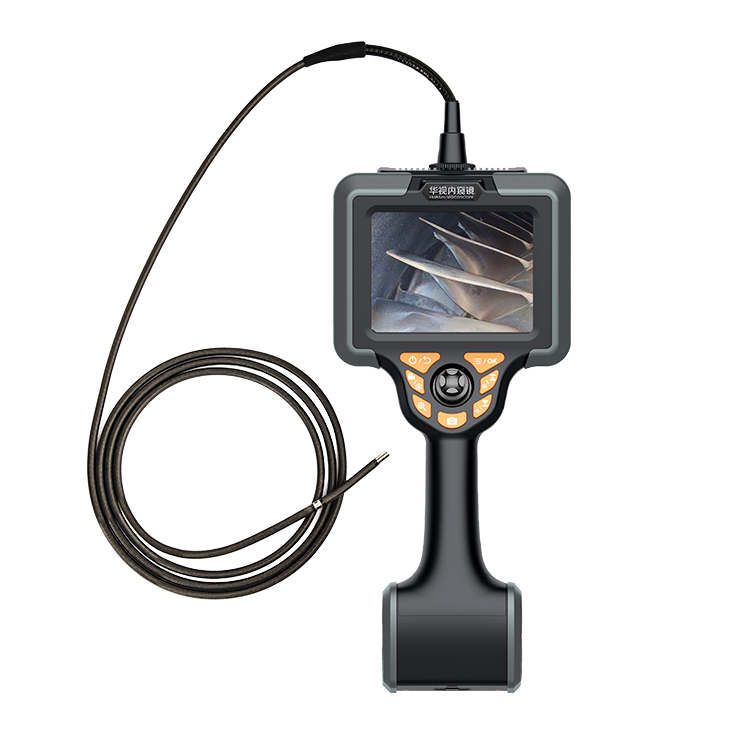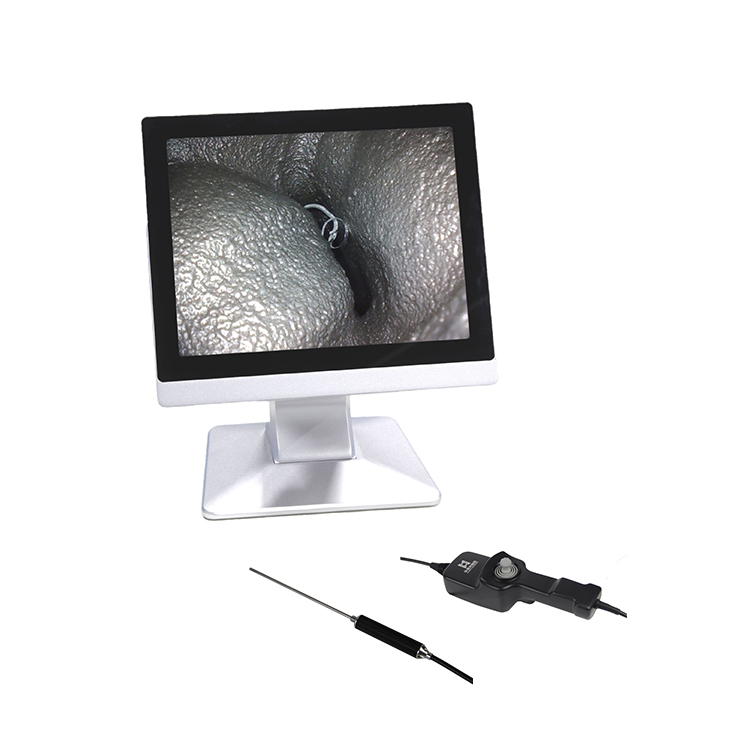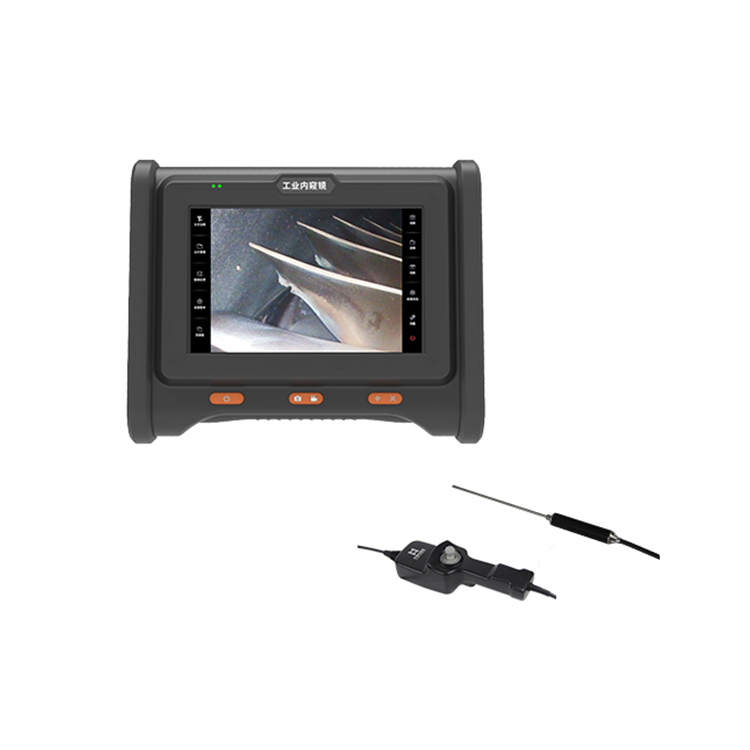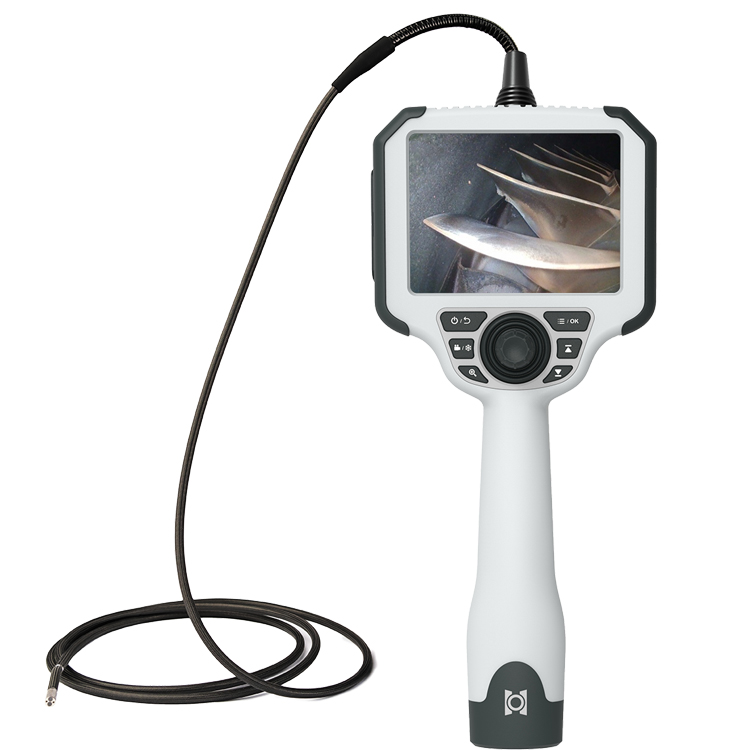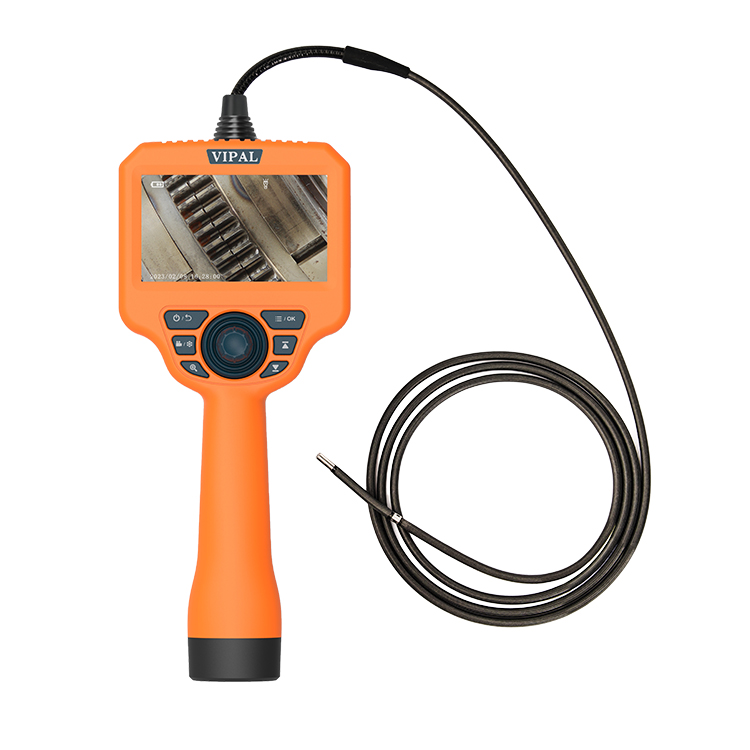

Industrial Borescope Camera Resolution: 720p, 1080p, 2MP and Beyond
Category: News-
On: 2026-09-01
Industrial Borescope Camera Resolution: What Does It Mean?
Camera resolution is one of the most visible specifications when comparing industrial borescopes.
Manufacturers may describe their systems using terms such as HD, Full HD, 1080p, 2MP, or higher resolutions.
But does a higher resolution always mean a better inspection result?
Not necessarily.
For industrial visual inspection, image quality depends on the entire imaging system, including the image sensor, optics, lighting, field of view, working distance, and image processing.
What Is Borescope Camera Resolution?
Resolution describes the number of pixels used to create an image.
For example, a higher-resolution camera can capture more image detail than a lower-resolution camera under suitable inspection conditions.
In practical applications, higher resolution can be useful when inspectors need to examine relatively small surface features.
However, resolution should always be evaluated together with optical performance and lighting.
Is 1080p Enough for Industrial Inspection?
For many general-purpose inspection applications, Full HD imaging can provide a useful balance between image detail, storage requirements, processing performance, and system cost.
Typical applications may include:
Automotive inspection
Machinery inspection
Gearbox inspection
Pipe inspection
Casting inspection
General maintenance
The appropriate resolution depends on the actual inspection target.
What About 2MP and Higher Resolution?
Higher-resolution cameras can provide additional image information when the inspection requires detailed observation.
They can be useful when inspecting:
Small cracks
Surface wear
Fine machining marks
Small defects
Detailed component surfaces
However, simply increasing the pixel count does not guarantee better defect visibility.
Resolution vs Image Quality
A borescope with a high-resolution sensor can still produce poor images if:
The lens is low quality.
Lighting is insufficient.
The camera is too far from the target.
The field of view is inappropriate.
The surface produces excessive reflection.
Image processing is poor.
This is why professional buyers should evaluate sample inspection images rather than looking at resolution numbers alone.
How Does Lighting Affect Image Quality?
Industrial inspection environments are often dark.
A high-resolution camera cannot capture useful information without sufficient illumination.
The lighting system should provide enough light to reveal surface details while controlling reflections.
For metallic surfaces, adjustable illumination can be particularly valuable.
How Does Working Distance Affect Resolution?
Working distance is the distance between the camera tip and the inspection target.
If the camera is too far away, small defects may occupy only a small portion of the image.
Moving the camera closer can provide more useful detail.
Therefore, probe articulation and camera positioning can be just as important as camera resolution.
What Resolution Should You Choose?
A practical approach is:
General Inspection
A standard HD or Full HD system may be sufficient.
Detailed Inspection
A higher-resolution system may be preferable when small surface details must be examined.
Measurement
If measurement is required, the measurement system and calibration capability should be considered in addition to camera resolution.
Other Specifications to Consider
When comparing industrial borescopes, also evaluate:
Probe diameter
Probe length
Articulation
Camera sensor
Lens
Field of view
Depth of field
Lighting
Image processing
Recording
Measurement functions
Conclusion
Borescope camera resolution is important, but it is only one part of the imaging system.
A high-resolution camera combined with good optics, appropriate lighting, and accurate camera positioning can provide significantly more useful inspection information.
For professional industrial inspection, choose the resolution according to the size of the defects you need to observe and the actual inspection environment.