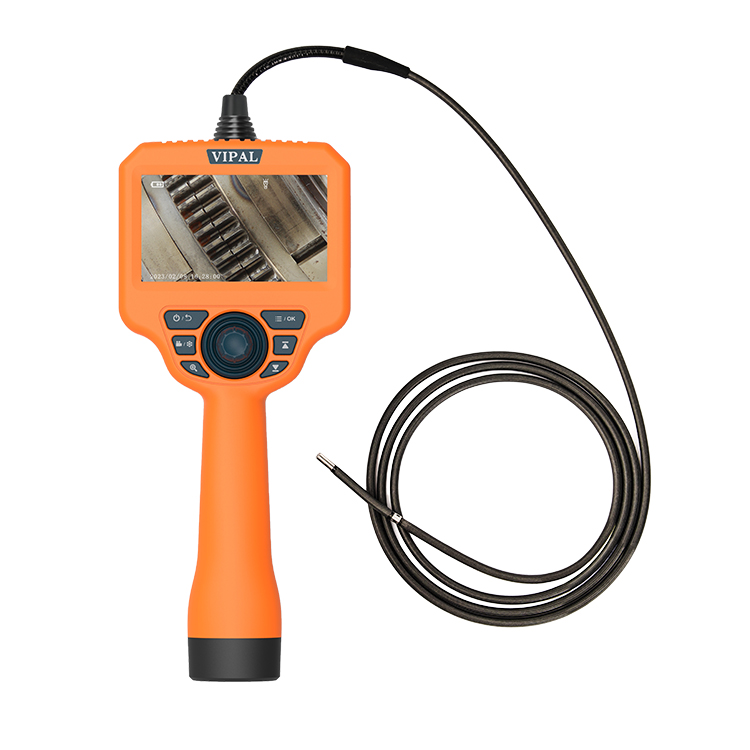

How to Choose the Right Borescope Probe Length
Category: News-
On: 2026-09-01
How to Choose the Right Borescope Probe Length
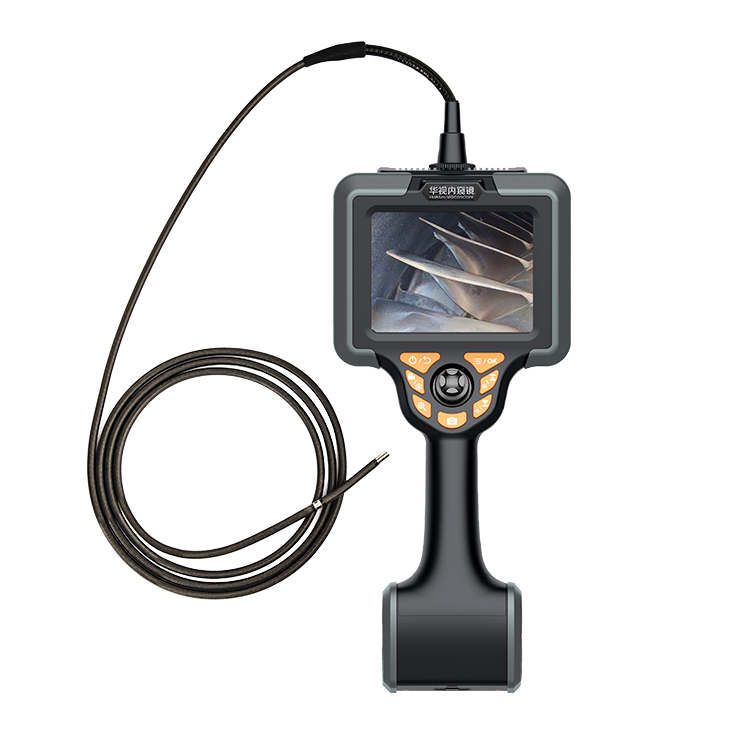
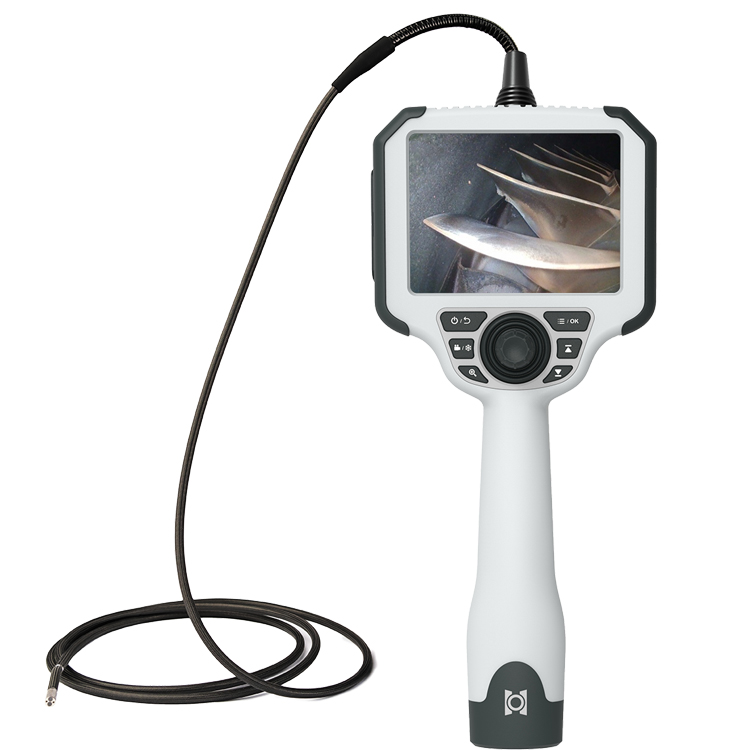
Probe length determines how far an industrial borescope can reach into equipment.
Choosing the correct length is important because a probe that is too short may not reach the target, while an unnecessarily long probe can be more difficult to control.
The best length depends on the actual inspection path rather than simply choosing the longest available probe.
How Long Should a Borescope Probe Be?
Start by determining the distance from the access opening to the inspection target.
Then consider whether the probe needs to travel through:
Curves
Chambers
Gearbox interiors
Pipes
Engine passages
Complex machinery
The required insertion distance may be greater than the straight-line distance between the opening and the target.
Common Borescope Probe Lengths
Industrial borescopes can be configured for different inspection depths.
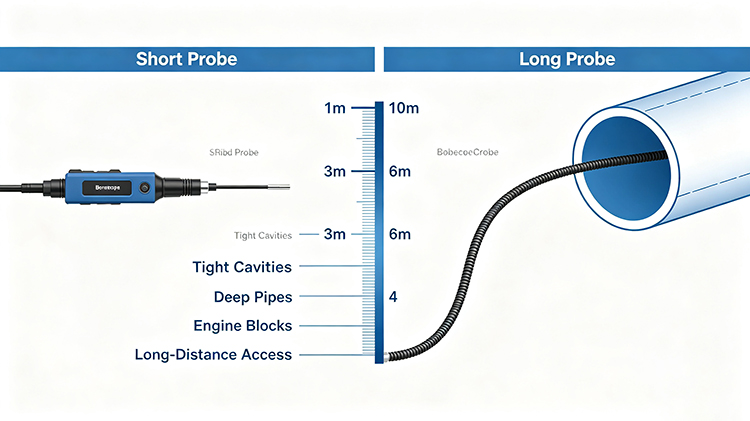
Short probes may be suitable for:
Automotive components
Machinery
Casting inspection
Small internal cavities
Longer probes may be suitable for:
Large machinery
Pipelines
Turbine equipment
Deep internal passages
Large gearboxes
Why Is Excessive Probe Length a Problem?
A longer probe is not always better.
Excess probe length can:
Increase handling difficulty.
Make insertion less convenient.
Require more storage space.
Increase the risk of unnecessary bending.
Make camera positioning more difficult.
The ideal probe is long enough to reach the target while remaining manageable.
Probe Length and Articulation
Length and articulation should be considered together.
A long probe may need effective directional control to reach a target that is not directly aligned with the access opening.
For complex inspections, a flexible probe with suitable articulation can significantly improve maneuverability.
Probe Diameter and Length
Probe diameter and length are also related.
Very small-diameter probes may have different practical length limitations than larger industrial probes.
When selecting a system, confirm that the required combination of diameter and length is available for the intended application.
How to Select the Correct Probe Length
Use this process:
Step 1
Identify the access opening.
Step 2
Measure or estimate the distance to the deepest inspection target.
Step 3
Map the internal path.
Step 4
Allow enough length for camera positioning.
Step 5
Consider articulation and probe flexibility.
Step 6
Choose the shortest practical probe that can complete the inspection.
Long-Reach Borescope Applications
Longer probes can be useful for:
Pipeline inspection
Wind turbine inspection
Large gearboxes
Industrial machinery
Power generation equipment
Marine equipment
Conclusion
The correct borescope probe length should be determined by the actual inspection depth and internal geometry.
Instead of automatically choosing the longest probe, select a length that provides sufficient reach while maintaining good handling and camera control.