
What Is a Side-View Borescope? Applications and Advantages
Category: News-
On: 2026-09-02
1. What Is a Side-View Borescope?
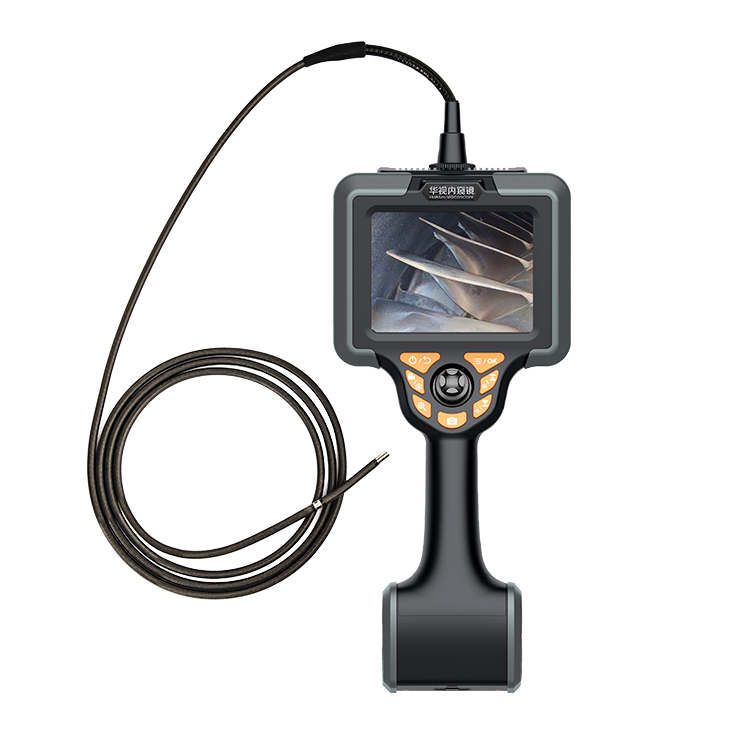
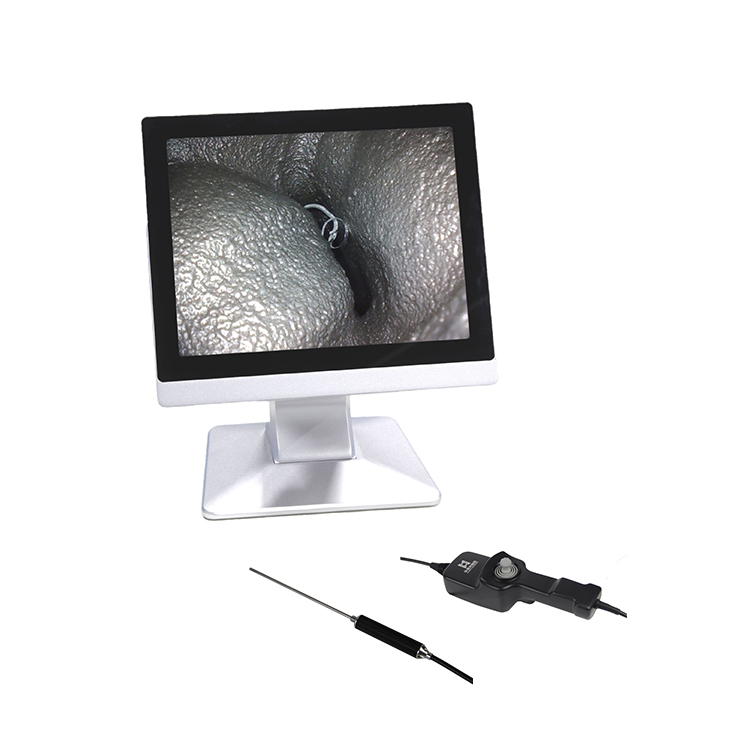
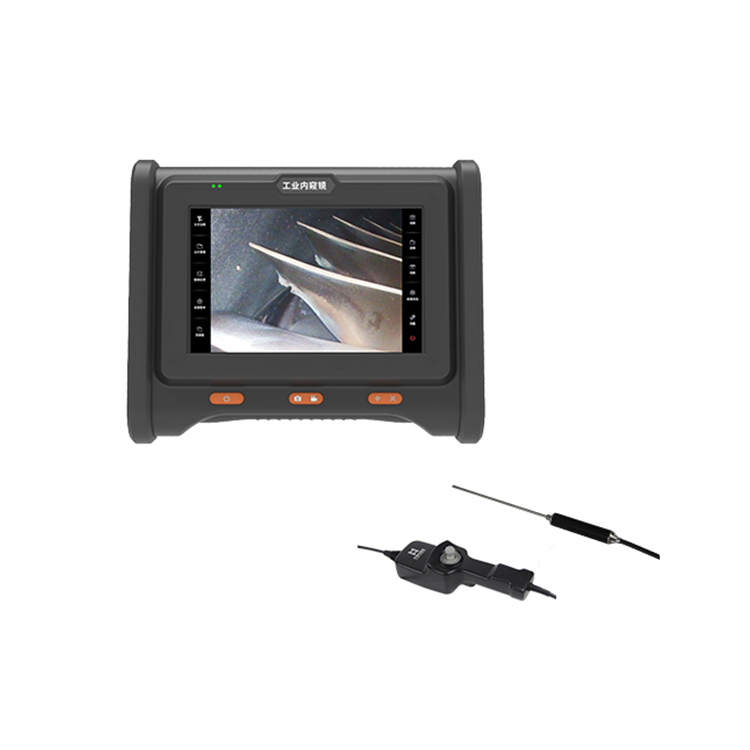
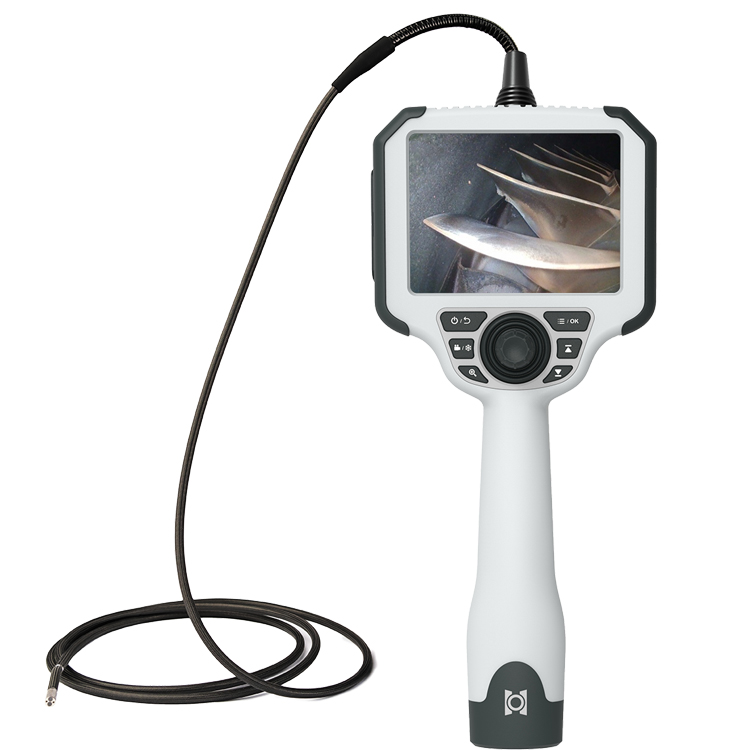
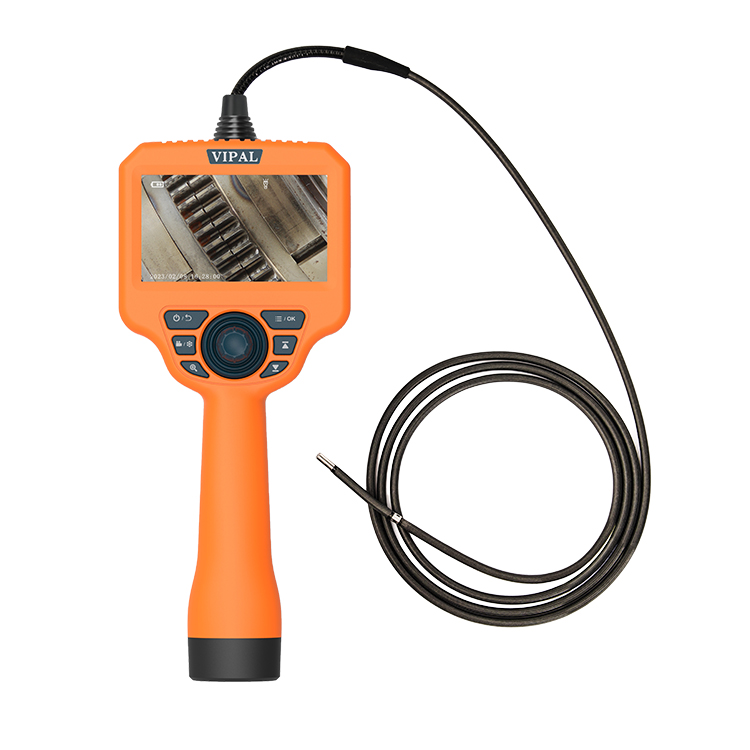
A side-view borescope is a specialized industrial inspection system designed for applications where the inspection target is located beside the probe rather than directly in front of it.
Unlike a conventional forward-view borescope, whose camera looks straight ahead from the tip of the probe, a side-view borescope has a camera orientation directed toward the side of the probe.
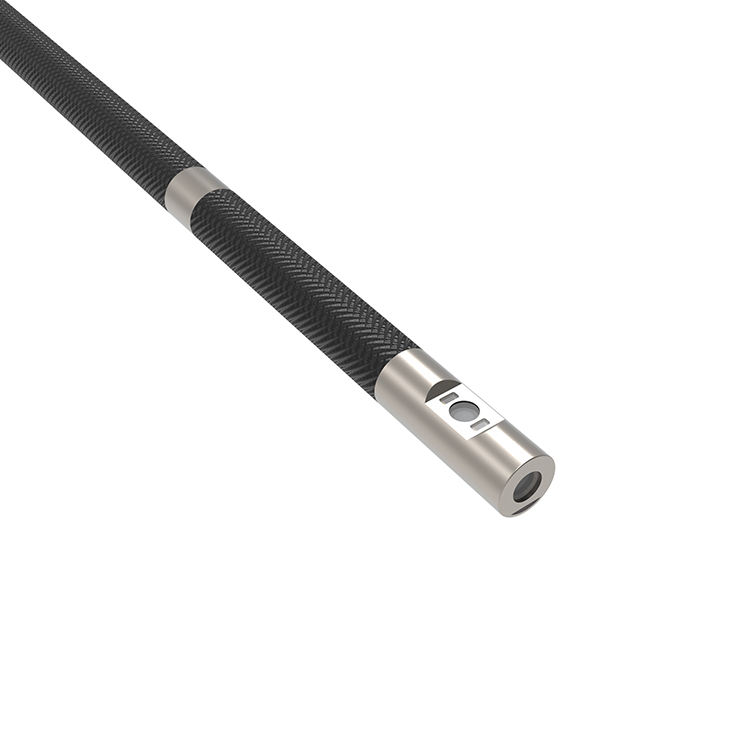
This allows inspectors to view the surfaces surrounding the insertion path, making side-view borescopes particularly useful for inspecting cylindrical components, pipe walls, deep holes, and internal cavities where defects may be located along the sidewalls.
2. Why Is Side-View Inspection Important?
Consider the inspection of a long pipeline.
When a borescope probe is inserted into a pipe, the inspection target is often not the end of the pipe. Instead, inspectors need to examine the inner wall surfaces around the entire circumference of the pipe.
With a conventional forward-view camera, the operator may need to repeatedly rotate, advance, and retract the probe to scan the sidewalls.
A side-view camera, however, can directly face the inner wall and provide a clearer view of the surface along the inspection path.
This can make internal surface inspection more efficient, more convenient, and easier to control, particularly when inspecting long cylindrical structures.
3. Typical Applications of Side-View Borescopes
Side-view borescopes are commonly used in applications where the inspection target is located on the sidewalls or surrounding surfaces.
Typical applications include:
Pipeline internal wall inspection
Engine cylinder inspection
Deep-hole and blind-hole inspection
Internal bore inspection
Gear and gear cavity inspection
Internal cavity and surface inspection
Inspection of large industrial machinery
They are especially useful when the internal geometry makes it difficult for a conventional forward-view camera to observe the surrounding surfaces.
4. Side-View Borescope vs. Forward-View Borescope
Forward-View Borescope
A forward-view borescope has a camera that faces the direction in which the probe is moving.
It is ideal when the inspection target is located directly ahead of the probe tip.
Typical applications include inspecting the bottom of cavities, the end of passages, and targets positioned directly in front of the camera.
Side-View Borescope
A side-view borescope has a camera oriented toward the side of the probe.
It is particularly suitable when inspection targets are distributed along internal walls, surrounding surfaces, or the circumference of cylindrical structures.
The final choice between forward-view and side-view inspection should be based on the internal geometry of the component and the location of the inspection target.
For some applications, a combination of both viewing directions may provide the most flexible solution.
5. Key Advantages of Side-View Borescopes
1. Greater Surface Coverage
A side-view camera can easily observe areas that may be difficult to see with a forward-view camera.
This helps reduce inspection blind spots and improves coverage of internal surfaces.
2. Less Probe Manipulation
Operators do not always need to repeatedly rotate, advance, or retract the probe to inspect a large area of an internal wall.
The side-view configuration can make surface scanning more efficient and reduce unnecessary probe movement.
3. Ideal for Cylindrical Components
Pipes, engine cylinders, deep holes, internal bores, and other cylindrical structures are among the applications where side-view borescopes provide significant advantages.
The camera can be positioned toward the internal wall, making it easier to identify cracks, corrosion, wear, deposits, machining defects, and other surface conditions.
4. Optional Dual-View Inspection
Advanced side-view videoscopes can integrate forward-view and side-view cameras into a single inspection system.
Operators can switch between the two viewing directions according to the inspection requirements.
This dual-view configuration provides greater flexibility and allows the same borescope to handle different inspection targets without changing the probe.
6. What to Consider When Choosing a Side-View Borescope
When selecting a side-view borescope, several key parameters should be evaluated:
Camera viewing direction
Probe diameter
Probe insertion length
Image resolution and image quality
LED lighting performance
Probe articulation and steering capability
Field of View (FOV)
Internal geometry of the component being inspected
The correct configuration depends on both the physical dimensions of the inspection area and the location of the target defects.
For example, a narrow pipe may require a small-diameter probe, while a long pipeline may require a longer probe with good articulation performance.
A side-view borescope is specifically designed for inspection applications where the target is located beside the probe rather than directly in front of it.
For pipelines, engine cylinders, internal bores, deep holes, gear cavities, and other internal surfaces, a side-view borescope can serve as an important complement to a conventional forward-view borescope.
By providing a direct view of surrounding surfaces, side-view inspection can help reduce blind spots, simplify probe manipulation, increase surface coverage, and improve inspection efficiency.
For applications involving complex internal geometries, choosing between forward-view, side-view, or dual-view inspection according to the actual inspection requirements can provide a more flexible and effective industrial visual inspection solution.