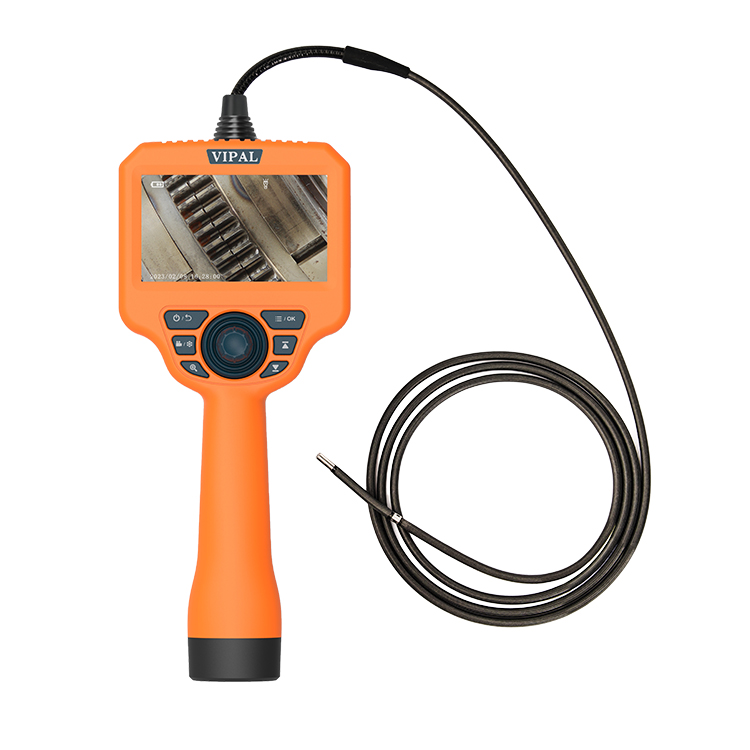

Dual-View Borescope vs. Standard Borescope: Which One Should You Choose?
Category: News-
On: 2026-09-02
1. Introduction
Industrial inspection applications vary widely. Different equipment designs, internal structures, and inspection targets may require completely different viewing angles.
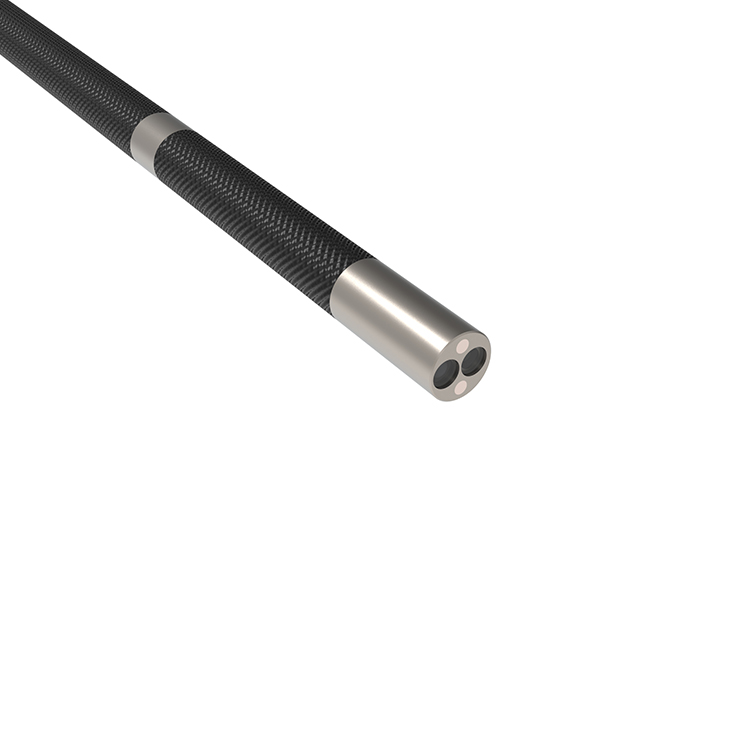
A single viewing direction may not be sufficient for every inspection task.
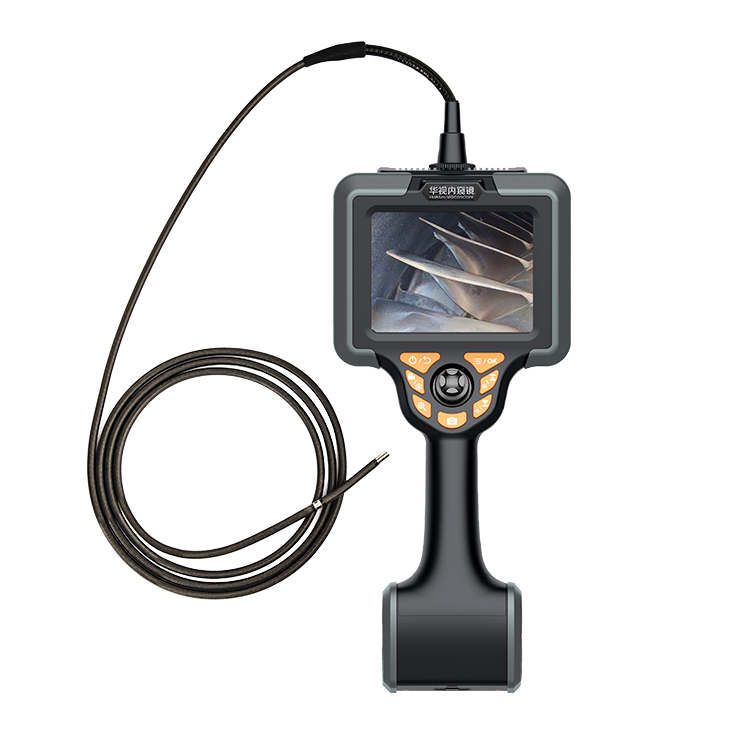
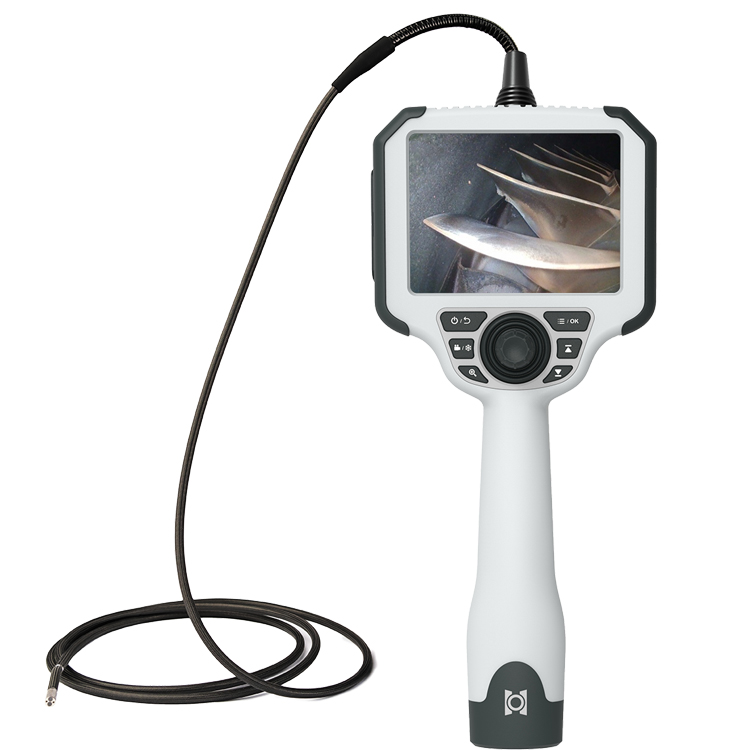
A standard borescope typically provides a single forward-view camera, while a dual-view borescope provides two selectable viewing directions, usually combining forward view and side view.
Both configurations have their own advantages and suitable applications. Choosing the right system based on the actual inspection requirements can help achieve the right balance between inspection efficiency, flexibility, and cost.
2. What Is a Standard Borescope (Forward-View)?
A standard borescope is one of the most commonly used configurations for industrial visual inspection.
Its main feature is a single forward-view camera. The camera looks directly ahead from the tip of the probe, allowing the operator to inspect the area located in front of the probe.
With a relatively simple configuration and straightforward operation, a forward-view borescope is well suited to conventional inspection applications where the target can be accessed from the front.
Typical Applications of Standard Borescopes
Internal inspection of conventional machinery
Engine passages and forward-facing inspection areas
Forward-view inspection inside gearboxes
Internal cavities with relatively simple geometries
Applications without significant sidewall inspection requirements
For these straightforward applications, a standard forward-view borescope can provide an effective and cost-efficient inspection solution.
3. What Is a Dual-View Borescope?
A dual-view borescope is a more versatile industrial inspection system equipped with two selectable viewing directions.
The most common configuration combines forward view + side view.
Instead of changing the probe or using a different inspection system, operators can switch between the two viewing directions according to the inspection target.
This makes it possible to inspect both the area directly in front of the probe and the surrounding sidewall surfaces using a single system.
Main Viewing Configurations
Forward View:
Inspects the area directly in front of the probe tip and provides the same basic viewing capability as a conventional forward-view borescope.
Side View:
Inspects the surrounding sidewall areas beside the probe, making it particularly useful for internal walls, cylindrical surfaces, and areas that are difficult to observe from the front.
4. Key Advantages of a Dual-View Borescope
The main value of a dual-view borescope is its ability to overcome the limitations of a single viewing direction and provide greater inspection versatility.
Take pipeline inspection as an example.
A standard forward-view borescope is mainly suited to viewing the path ahead and the end of the pipeline. It may be difficult to efficiently inspect defects distributed along the inner pipe wall.
A dual-view borescope can use the forward view to navigate and inspect the pipeline path, then switch to the side view to scan the surrounding pipe walls.
This allows one inspection system to cover multiple viewing requirements.
A dual-view configuration can also reduce the need to frequently change inspection equipment when different parts of the same component require different viewing angles.
This can simplify inspection procedures, save operating time, and reduce potential inspection blind spots.
It is particularly useful when the inspection requires access to front-facing surfaces, sidewalls, internal cavities, curved surfaces, or multiple viewing angles.
5. Standard Borescope vs. Dual-View Borescope
| Feature | Standard Borescope (Forward View) | Dual-View Borescope (Forward + Side View) |
|---|---|---|
| Forward Inspection | Excellent | Excellent |
| Sidewall / Internal Wall Inspection | Limited; more potential blind spots | Excellent; better surface coverage |
| Inspection Flexibility | Standard single-view operation | High; two viewing directions |
| Complex Geometry Compatibility | More dependent on probe articulation and access | Better suited to different internal geometries |
| Equipment Versatility | Suitable for conventional applications | Suitable for a wider range of inspection tasks |
| Typical Applications | Simple internal structures and forward-facing targets | Pipelines, cylinders, complex cavities, gearboxes, and multi-angle inspection |
The key difference is not simply image quality or probe design, but how efficiently the system can observe inspection targets located in different directions.
6. Selection Guide: Which One Should You Choose?
Choose a Standard Borescope When:
A dual-view system is not always necessary.
For relatively simple inspection applications, a standard forward-view borescope can provide better cost efficiency when:
All inspection targets are located directly in front of the probe
The inspection path is relatively straightforward
The internal structure of the equipment is simple and accessible
Only one viewing direction is required
There is little or no need to inspect internal walls or side surfaces
In these situations, a standard forward-view borescope can fully meet the inspection requirements without adding unnecessary functionality.
Choose a Dual-View Borescope When:
A dual-view system becomes more valuable when inspection targets are distributed in multiple directions or when the internal structure is more complex.
It is particularly suitable when:
Both front-facing areas and sidewalls need to be inspected
Pipelines, internal bores, cylinders, or other cylindrical structures are involved
The equipment contains complex cavities, curved surfaces, or multiple inspection angles
One inspection system needs to handle multiple types of inspection tasks
Reducing inspection blind spots is a priority
For these applications, the ability to switch between forward and side views can significantly improve inspection flexibility and efficiency.
A standard forward-view borescope offers a simple, practical, and cost-effective solution for single-direction inspection and relatively straightforward internal structures.
A dual-view borescope, on the other hand, combines forward and side views to provide greater flexibility and broader inspection coverage.
For applications such as pipelines, engine cylinders, large gearboxes, internal bores, and complex mechanical cavities, dual-view technology can make it easier to inspect surfaces that may otherwise be difficult to access or observe.
The best choice ultimately depends on the geometry of the equipment, the location of the inspection targets, and the required viewing directions.
For simple forward-facing inspection, a standard borescope may be sufficient. For more complex, multi-directional inspection tasks, a dual-view borescope can provide a more versatile and efficient inspection solution.