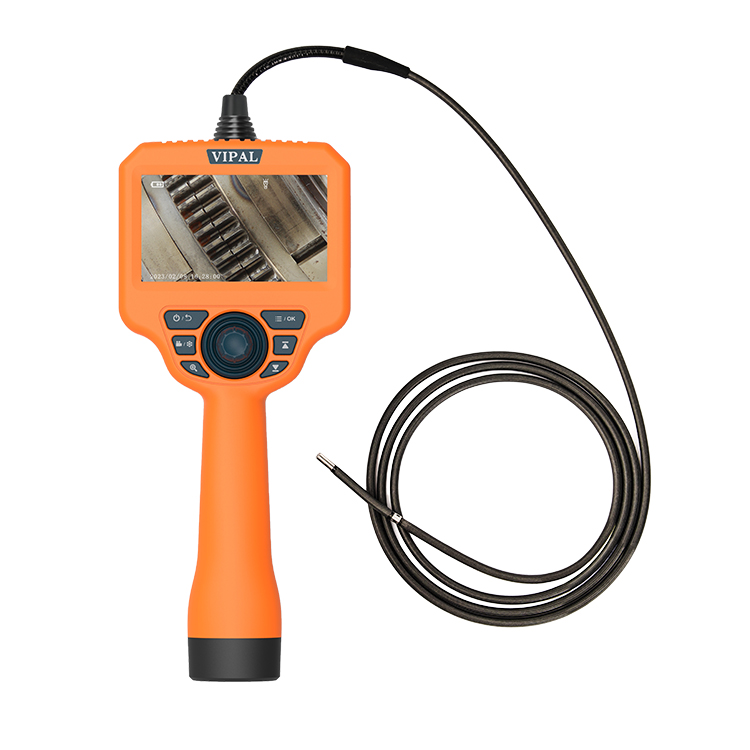

High Temperature Industrial Borescope: Applications, Temperature Ratings and Selection Guide
Category: News-
On: 2026-09-04
1. Overview of High Temperature Borescope Inspection
Many critical industrial systems operate under elevated temperatures, including furnaces, boilers, gas turbines, engines, industrial heating equipment, and power generation systems.
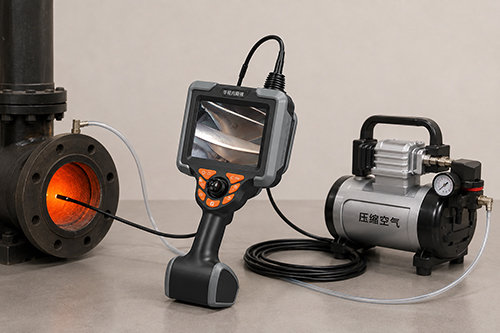
In these applications, waiting for equipment to completely cool before inspection can increase maintenance time and affect production schedules. Standard industrial borescopes may also have limited temperature ratings and may not be suitable for direct exposure to elevated-temperature environments.
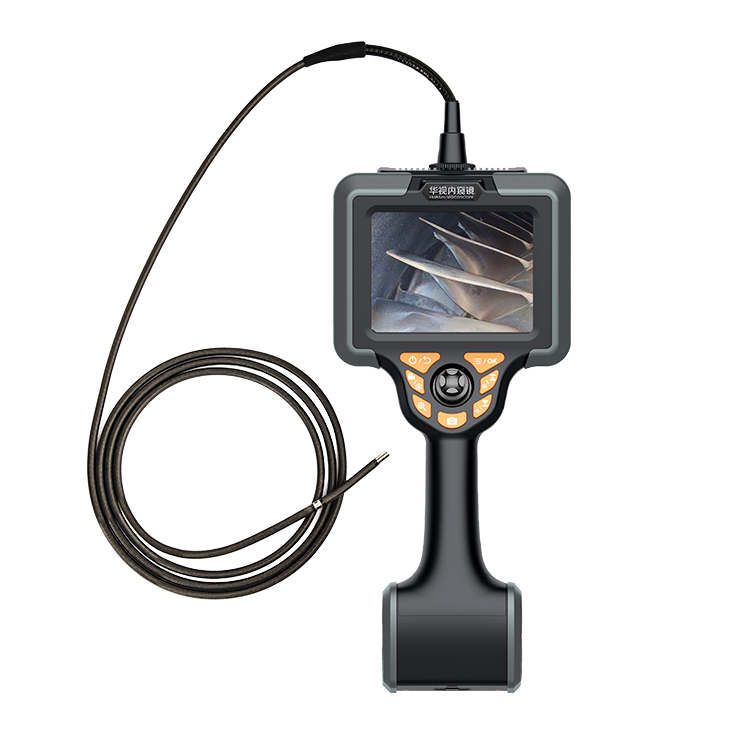
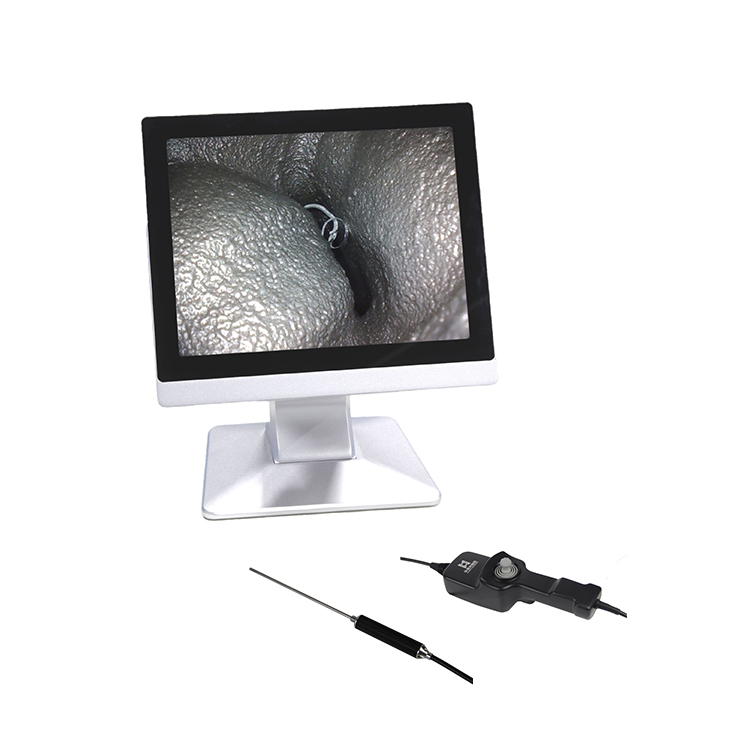
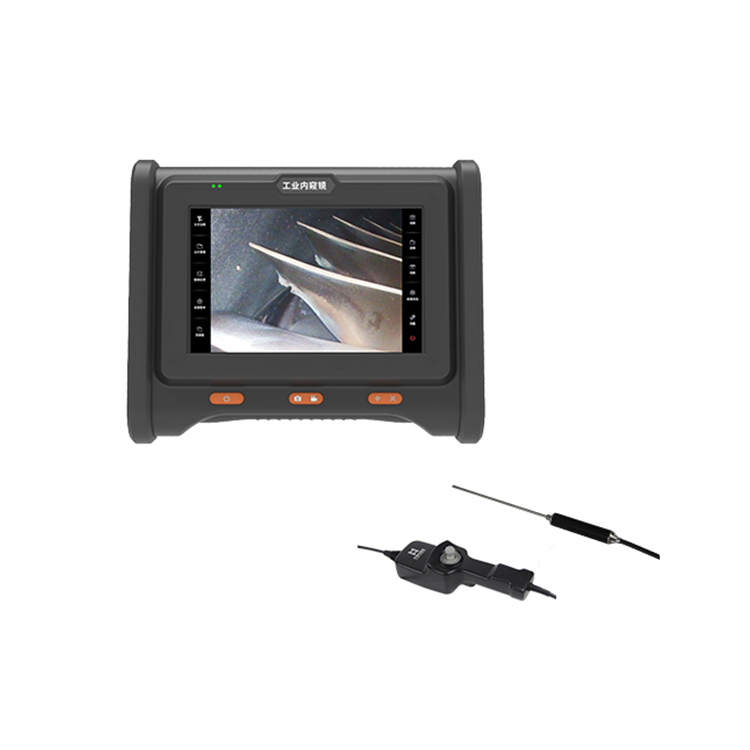
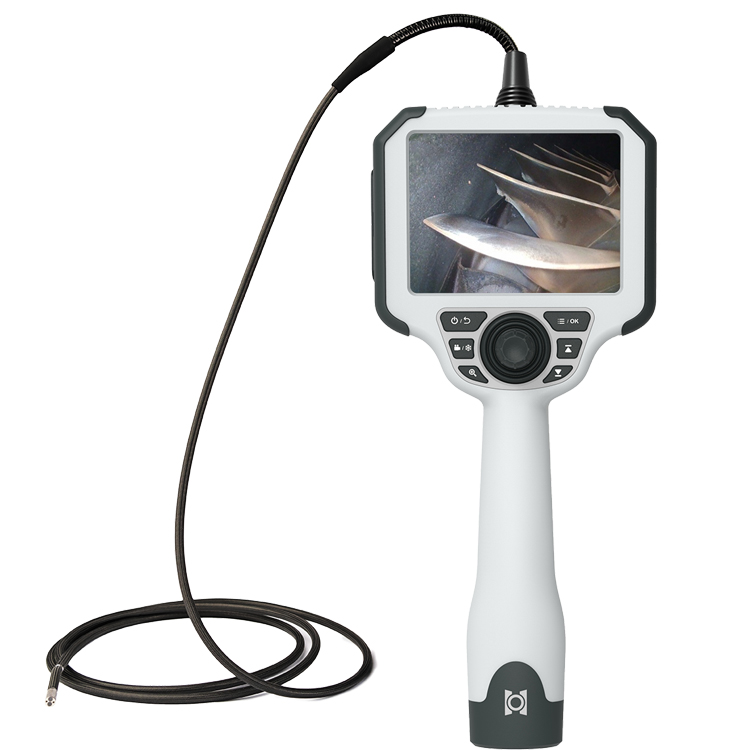
A high temperature industrial borescope is designed for inspection applications where the probe may encounter elevated temperatures. Depending on its specifications, thermal protection, and cooling configuration, a high-temperature system can support visual inspection during equipment cooldown or other approved high-temperature inspection conditions.
This makes high temperature borescopes useful for maintenance, condition assessment, troubleshooting, and visual inspection of industrial equipment exposed to heat.
2. Key Benefits of an Industrial High Temperature Borescope
Conventional inspection procedures may require equipment to cool to a specified safe temperature before a borescope can be inserted.
A properly rated high temperature videoscope can expand the range of conditions under which visual inspection can be performed, subject to the manufacturer's temperature limits and site safety procedures.
Potential benefits include:
Reduced waiting time before certain inspection activities
Less need for extensive equipment disassembly
Faster access to internal components during approved inspection conditions
Visual inspection of enclosed and difficult-to-access hot areas
Support for maintenance and troubleshooting of high-temperature equipment
Typical applications include:
Industrial furnaces
Boilers
Gas turbines
Engines
Turbomachinery
Industrial heating systems
Power generation equipment
High-temperature manufacturing equipment
Important: A high temperature borescope does not automatically mean that it can be used at any temperature or while equipment is operating. Always follow the manufacturer's specified temperature limits, exposure time, cooling requirements, and site safety procedures.
3. Temperature Rating: The First Selection Criteria
Temperature resistance is one of the most important specifications when selecting a high temperature borescope.
Different systems can have significantly different temperature limits, exposure durations, and cooling requirements. Therefore, simply choosing a product described as a "high temperature borescope" is not sufficient.
Before purchasing a system, verify the following temperature-related specifications.
1. Probe Operating Temperature
Check the maximum temperature that the insertion probe is designed to withstand under the specified operating conditions.
2. Camera and Optical Temperature Rating
The camera tip contains sensitive optical and electronic components. Verify the temperature rating of the camera head, image sensor, lens, and other components exposed to heat.
3. Insertion Tube Temperature Rating
The outer sheath, internal wiring, articulation mechanism, and other probe components may have their own temperature limitations.
4. Main Unit Operating Temperature
The temperature rating of the handheld display or control unit is usually different from that of the probe.
The main unit should be kept within its specified operating environment even when the probe is designed for higher temperatures.
5. Maximum Exposure Time and Cooling Requirements
Temperature rating alone does not tell the entire story.
Some systems may tolerate a particular temperature only for a limited period or may require additional air or water cooling.
Always verify:
Maximum allowable temperature
Maximum exposure duration
Continuous vs. intermittent exposure
Required cooling method
Cooling flow requirements
Probe cooldown procedure
Never exceed the manufacturer's specified temperature or exposure limits. Overheating can damage the camera, optical components, wiring, articulation system, or other parts of the inspection equipment.
4. Standard Borescope vs. High Temperature Borescope
Not all industrial borescopes are designed for high-temperature inspection.
A conventional borescope may be suitable for equipment that has already cooled to its specified inspection temperature. Using it outside its rated temperature range can cause image degradation, component damage, or permanent equipment failure.
A dedicated high-temperature borescope may be designed for applications involving elevated temperatures, such as equipment cooldown inspections or short-duration exposure under specified conditions.
The appropriate inspection method depends on several factors:
Actual temperature at the inspection point
Probe exposure duration
Internal environment
Probe and camera temperature rating
Cooling configuration
Equipment operating condition
Site safety requirements
The goal should always be to match the inspection system to the actual thermal conditions rather than assuming that any "high temperature" product is suitable for the application.
5. Main Industrial Applications of High Temperature Borescopes
1. Furnace Inspection
Industrial furnaces operate at elevated temperatures and contain enclosed areas that are difficult or unsafe to inspect directly.
A furnace inspection borescope can be used through an existing inspection port, where conditions are within the equipment's rated specifications, to visually inspect accessible areas such as:
Furnace walls
Refractory surfaces
Deposits
Carbon buildup
Corrosion
Surface damage
Structural abnormalities
High-temperature inspection can be particularly useful during approved maintenance or cooldown stages when waiting for complete cooling would significantly extend inspection time.
2. Boiler Inspection
Industrial boilers and waste heat boilers can retain significant heat after operation.
Internal components and accessible areas may develop conditions such as:
Wear
Corrosion
Deposits
Surface cracking
Localized damage
Abnormal buildup
A high temperature inspection camera can support visual inspection when the actual temperature and exposure duration remain within the system's specifications.
Visual inspection can help identify areas requiring further examination or maintenance.
3. Engine Inspection
Industrial engines and power units can remain hot after operation.
A high temperature videoscope can support inspection of accessible internal areas for conditions such as:
Carbon deposits
Component wear
Surface damage
Air-path contamination
Abnormal deposits
Sealing-related visual abnormalities
The system must be selected according to the actual temperature at the inspection point rather than the general operating temperature of the engine.
4. Turbine Inspection
Turbines contain precision components such as blades, vanes, and internal flow passages.
After operation, these components can remain at elevated temperatures, while complete cooldown may take considerable time.
A properly rated high temperature borescope can support visual inspection during suitable maintenance or cooldown conditions.
Typical inspection targets include:
Blade damage
Erosion
Deposits
Foreign object damage
Surface cracking
Corrosion
Abnormal wear
For critical turbine inspections, borescope findings may need to be combined with other inspection methods according to the applicable maintenance procedures.
5. Power Generation Equipment Inspection
Power generation systems can contain boilers, turbines, generators, heat exchangers, and other components exposed to elevated temperatures.
High temperature borescopes can support visual inspection of accessible internal areas during appropriate maintenance conditions.
They can help maintenance teams identify visible wear, deposits, corrosion, contamination, and other surface conditions before deciding whether additional inspection or maintenance is required.
6. How to Choose a High Temperature Borescope
Temperature rating is essential, but it should not be the only selection criterion.
1. Match the Temperature Rating
Start with the actual temperature at the inspection point.
Consider both:
Temperature + Exposure Time
A system rated for a particular temperature may not necessarily support continuous exposure at that temperature.
Leave an appropriate safety margin and follow the manufacturer's operating specifications.
2. Select the Appropriate Probe Diameter
Measure the actual inspection opening and select a probe that can safely pass through it.
A smaller probe can provide better access to restricted openings, while a larger probe may offer different imaging, illumination, or mechanical characteristics depending on its design.
The smallest possible diameter is not always necessary. Choose the smallest practical diameter that meets the complete inspection requirements.
3. Select the Right Probe Length
Measure the actual distance and inspection path between the access point and the target.
Avoid selecting an unnecessarily long probe because excessive probe length can make handling more difficult.
For deep inspection, probe length should be balanced with flexibility, articulation, and handling characteristics.
4. Consider Articulation
High-temperature inspection areas can contain corners, bends, and structural obstructions.
A steerable flexible probe can help the operator position the camera toward different areas of the inspection target.
Depending on the application, consider:
2-way articulation
4-way articulation
Side-view capability
Dual-view capability
Switchable viewing direction
5. Evaluate Imaging Performance
High-temperature environments can create optical challenges such as heat haze, condensation, deposits, glare, or limited visibility.
A suitable system should provide sufficient image quality and illumination for the intended inspection task.
The camera should allow the operator to clearly observe relevant conditions such as:
Cracks
Wear
Corrosion
Deposits
Surface damage
Foreign objects
7. High Temperature Borescope Safety Guidelines
High-temperature inspection requires stricter operating procedures than conventional visual inspection.
Always follow the manufacturer's instructions and the site's safety requirements.
Key precautions include:
Never exceed the specified probe temperature rating.
Observe the maximum allowable exposure time.
Use the specified cooling system when required.
Verify the probe, camera, articulation, and cooling systems before inspection.
Keep the main unit outside its specified temperature range.
Wear appropriate personal protective equipment for the working environment.
Avoid unnecessary or prolonged probe exposure to high temperatures.
Follow equipment isolation, access, and inspection procedures before entering restricted areas.
Stop the inspection if the probe, image, cooling system, or equipment condition shows an abnormality.
High-temperature inspection should only be performed when the inspection equipment, access method, and site conditions are appropriate for the application.
8. High Temperature Borescope Selection Checklist
Before purchasing an industrial high temperature borescope, check:
| Parameter | What to Confirm |
|---|---|
| Temperature Rating | Maximum probe and camera temperature |
| Exposure Time | Maximum allowable exposure at the specified temperature |
| Cooling | Air cooling, water cooling, or no additional cooling |
| Probe Diameter | Compatibility with the inspection opening |
| Probe Length | Sufficient reach to the target |
| Articulation | Required steering range and control |
| Viewing Direction | Forward, side, or dual view |
| Image Quality | Sufficient detail for the inspection task |
| Illumination | Adequate lighting inside the inspection area |
| Recording | Photo and video documentation |
| Environmental Protection | Resistance to moisture, dust, chemicals, etc. |
| Safety Requirements | Compatibility with site procedures and equipment conditions |
A high temperature industrial borescope provides a practical solution for visual inspection of equipment exposed to elevated temperatures, including furnaces, boilers, engines, turbines, and power generation equipment.
Its main value is not simply the ability to withstand heat. The complete system must be correctly matched to the actual inspection temperature, exposure time, access opening, inspection depth, internal geometry, articulation requirements, imaging performance, and cooling conditions.
When selecting a high temperature borescope, temperature rating should be the first consideration, followed by probe diameter, probe length, articulation, image quality, illumination, and safety requirements.
Most importantly, never select or operate a high-temperature inspection system based solely on its product name. Always verify the manufacturer's actual specifications and ensure that the equipment is suitable for the specific inspection environment.
The right high temperature borescope is the one that can safely withstand the actual conditions while providing the access, visibility, and control required for the inspection task.