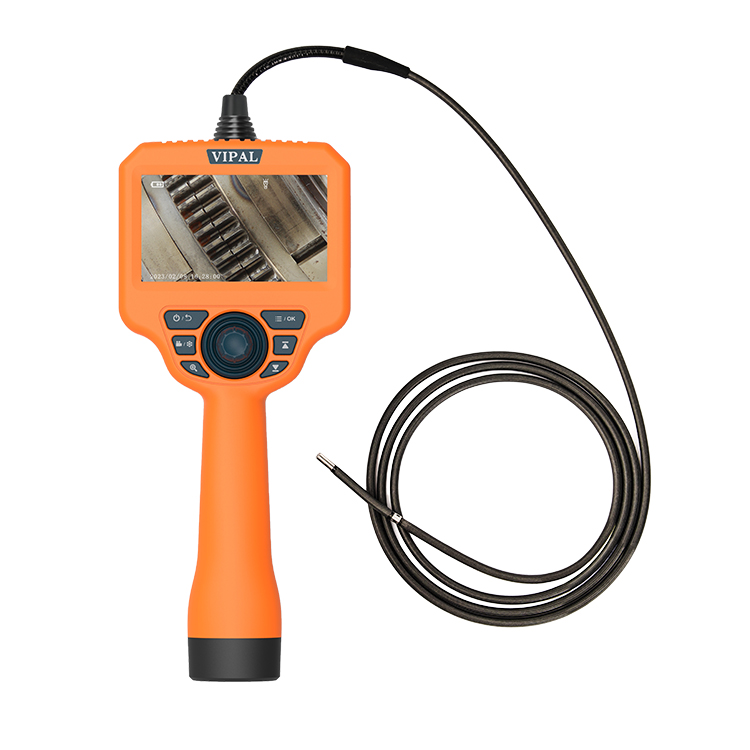

Explosion-Proof Borescope: What You Need to Know Before Buying
Category: News-
On: 2026-09-04
1. Overview of Explosion-Proof Borescope Inspection
Industries such as oil and gas, petrochemical processing, and chemical manufacturing often operate in hazardous areas where flammable gases, vapors, or combustible dust may be present.
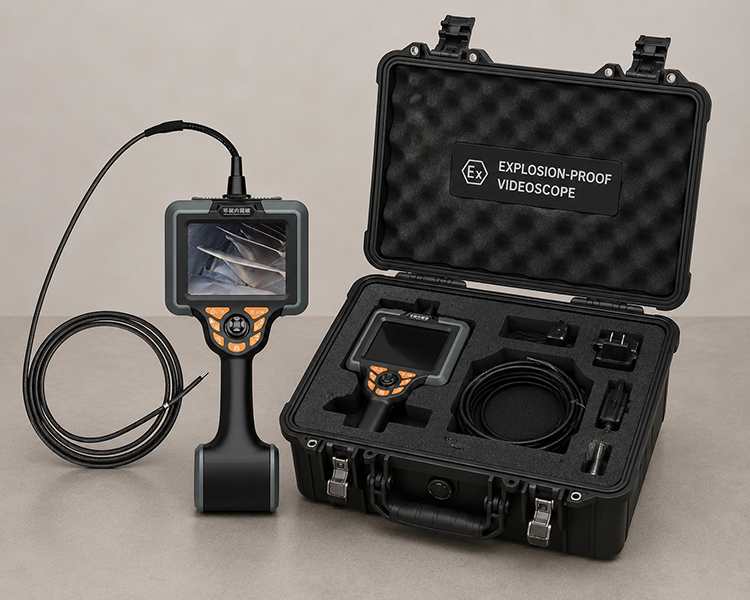
In these environments, conventional electronic inspection equipment may introduce potential ignition sources, such as electrical sparks or excessive surface temperatures. As a result, standard industrial borescopes may not be suitable for use in classified hazardous areas.
An explosion-proof borescope is designed for applications where specific explosion-protection requirements apply. Depending on its certification and protection concept, the equipment may use technologies such as intrinsic safety, energy limitation, or other approved protection methods to reduce the risk of ignition.
However, the term "explosion-proof" does not mean that a borescope is suitable for every hazardous environment.
Before purchasing or using the equipment, always verify the actual certification, hazardous-area classification, gas or dust group, temperature class, and operating conditions.
The equipment must be selected according to the requirements of the specific site.
2. What Is an Explosion-Proof Borescope?
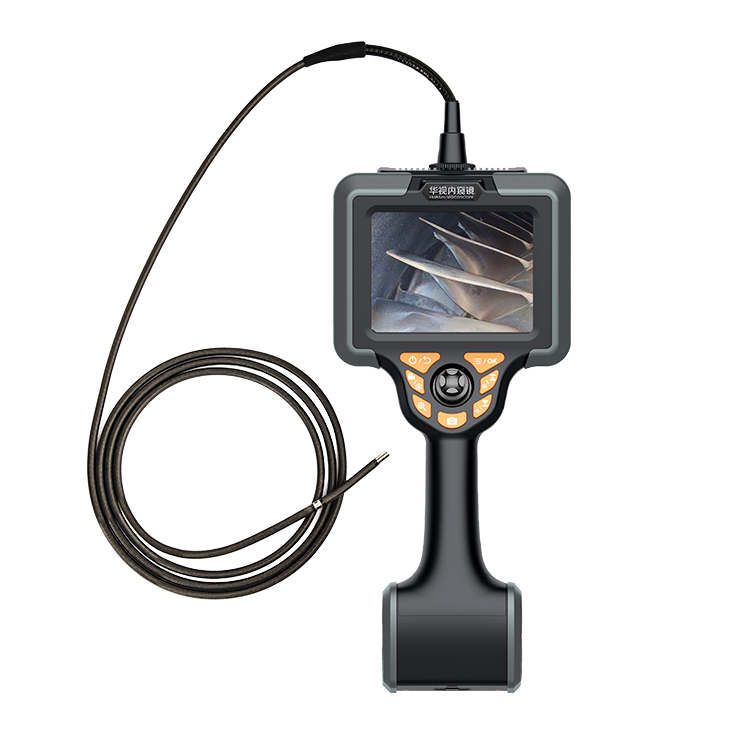
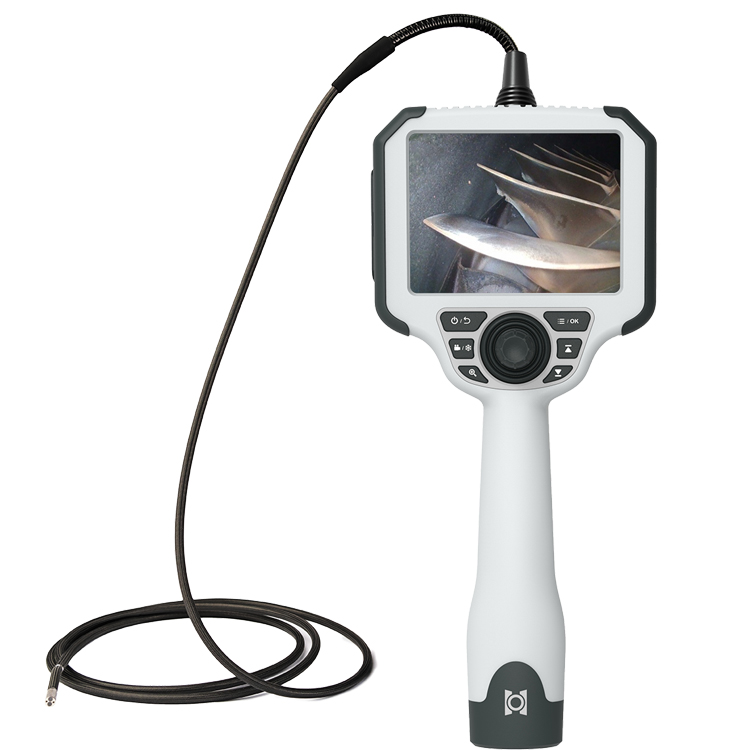
An explosion-proof borescope is an industrial inspection system designed for use in environments where explosive atmospheres may occur and where certified equipment is required.
Depending on the applicable protection concept and certification, the system is designed to control potential ignition sources associated with electrical energy, heat, sparks, or other hazards.
Common international certification systems include:
ATEX
IECEx
The applicable requirements vary by country, industry, hazardous-area classification, and operating environment.
A certified hazardous-area borescope may be used for remote visual inspection of equipment such as:
Oil and gas processing equipment
Storage tanks
Pipelines
Chemical processing equipment
Pumps and valves
Heat exchangers
Industrial machinery
Pressure vessels
Other equipment located in classified hazardous areas
The certification must match the actual application rather than simply the general industry sector.
3. Explosion-Proof Certification: The First Selection Priority
For hazardous-area inspection, certification compliance should be the first consideration.
Different products can have substantially different protection levels, certification scopes, temperature classes, and permitted applications.
Before purchasing an explosion-proof videoscope, verify the following information.
1. Certification Standard
Check whether the equipment has applicable third-party certification such as ATEX or IECEx.
Do not rely solely on a manufacturer's marketing statement that a product is "explosion-proof."
Ask for the actual certification documentation and verify that it applies to the complete equipment configuration being purchased.
2. Hazardous Area Classification
Determine which hazardous zone or area classification applies to the inspection location.
For gas and vapor environments, classifications may include:
Zone 0
Zone 1
Zone 2
Dust hazards use different classification systems and protection requirements.
The borescope certification must correspond to the hazardous-area classification of the intended application.
3. Gas and Dust Groups
For gas hazards, certification may specify groups such as:
IIA
IIB
IIC
Dust applications have separate protection classifications and requirements.
Gas and dust certifications should not be assumed to be interchangeable.
4. Temperature Class
The equipment's temperature classification is another critical parameter.
For example, gas equipment may be assigned temperature classes such as:
T1
T2
T3
T4
T5
T6
The maximum surface temperature of the equipment must be appropriate for the hazardous substance present at the inspection site.
5. Permitted Operating Conditions
Verify the certified operating conditions, including where applicable:
Ambient temperature
Humidity
Pressure
Gas or vapor type
Dust conditions
Installation or operating restrictions
A product may be certified for a hazardous area but still have environmental limitations that prevent its use under certain conditions.
6. Complete System Certification
One of the most important purchasing questions is whether the certification covers the complete inspection system.
Check the certification scope for:
Main control unit
Probe
Camera tip
Battery
Charger
Power supply
External accessories
Other components used during inspection
Do not assume that a certified probe automatically makes a non-certified main unit or accessory suitable for hazardous-area use.
7. Battery and Power Supply
Battery-powered equipment requires particular attention in hazardous environments.
Use only the battery, charger, and power accessories specified and approved for the certified equipment configuration.
Do not substitute ordinary batteries or third-party charging equipment unless explicitly permitted by the certification and manufacturer.
4. Main Industrial Applications of Explosion-Proof Borescopes
1. Oil and Gas Inspection
Oil and gas facilities can contain flammable gases and vapors, making hazardous-area classification an important consideration.
A certified hazardous-area borescope can support visual inspection of accessible internal areas of:
Pipelines
Storage tanks
Pumps
Valves
Processing equipment
Machinery
Other oil and gas equipment
Depending on the equipment configuration and site procedures, visual inspection may help identify corrosion, deposits, blockages, surface damage, foreign objects, and other visible conditions.
2. Petrochemical Inspection
Refineries and petrochemical plants contain process equipment where flammable substances may be present.
An appropriately certified explosion-proof videoscope can support remote visual inspection of accessible areas in accordance with the site's hazardous-area requirements.
Typical inspection targets include:
Process piping
Heat exchangers
Vessels
Reactors
Pumps
Valves
Internal surfaces
The equipment must be certified for the specific hazardous-area classification rather than selected solely because it is intended for the petrochemical industry.
3. Chemical Processing
Chemical plants may contain confined spaces, process vessels, pipelines, and equipment handling flammable materials.
A suitable hazardous-area borescope can provide remote visual access to internal areas without requiring personnel to enter the inspection space.
It may be used to inspect visible conditions such as:
Corrosion
Deposits
Blockages
Surface damage
Foreign objects
Internal contamination
Additional NDT methods may be required where defects cannot be evaluated through visual inspection alone.
4. Other Hazardous Industrial Environments
Some manufacturing processes may involve combustible dust or flammable solvent vapors.
Examples can include selected:
Powder-processing facilities
Coating and painting processes
Chemical production areas
Battery manufacturing processes
Other classified industrial environments
The appropriate equipment must be selected according to the actual hazardous substance and area classification.
5. Selecting an Explosion-Proof Borescope: Hardware Matters Too
Certification addresses hazardous-area compliance, but it does not automatically guarantee that the borescope is the best tool for the inspection task.
The inspection system should also be matched to the physical requirements of the application.
1. Probe Diameter
The probe diameter must be compatible with the inspection opening.
A smaller probe may be required for narrow passages, while a larger probe may provide different imaging, illumination, or mechanical characteristics depending on the design.
Always verify the actual outside diameter rather than relying on a nominal product description.
2. Probe Length
Select the probe length according to the actual inspection path.
For deep vessels, pipelines, and machinery, the probe must be long enough to reach the target without excessive unused length.
Consider:
Access point location
Actual path length
Internal geometry
Bends
Inspection depth
Probe handling characteristics
3. Articulation and Steering
Complex industrial equipment can contain bends, corners, and hidden areas.
A controllable articulation system can help position the camera toward different inspection targets.
Depending on the certified configuration, consider:
2-way articulation
4-way articulation
Side-view capability
Dual-view capability
Switchable viewing direction
4. Viewing Direction
The required viewing direction depends on the inspection geometry.
Forward View is useful when the target is directly ahead of the probe.
Side View can be useful for inspecting:
Pipe walls
Circumferential weld areas
Side surfaces
Internal vessel walls
Recessed areas
A Dual-View system can provide forward and side viewing when both directions are required.
5. Illumination and Image Quality
Hazardous-area equipment often needs to inspect dark, enclosed spaces.
The system should provide sufficient illumination and image quality for the intended inspection task.
The camera should allow the operator to identify relevant surface conditions such as:
Cracks
Corrosion
Wear
Deposits
Blockages
Surface damage
Actual image performance depends on the complete optical, camera, and lighting design.
6. Understanding ATEX Borescope Certification
If the inspection location is subject to ATEX requirements, a standard industrial borescope should not be assumed to be suitable.
An ATEX borescope must have certification appropriate to the intended hazardous-area application.
Before bringing the equipment into an ATEX-controlled area, verify:
The ATEX certificate is valid and applicable.
The equipment classification matches the hazardous zone.
The gas or dust group is appropriate.
The temperature class is suitable.
The certified ambient temperature range is compatible with the site.
The certification covers the actual equipment configuration.
Batteries, chargers, and accessories comply with the approved configuration.
ATEX compliance is application-specific. A product with ATEX certification is not automatically approved for every ATEX hazardous area.
7. Explosion-Proof Borescope Purchasing Checklist
Before purchasing, ask the supplier the following questions and request written documentation where appropriate.
Certification
Which explosion-protection certifications does the complete system have?
Is the certification issued by an appropriate certification body?
Can the certificate and certification number be verified?
What is the exact protection marking?
Hazardous Area
Is the system approved for Zone 0, Zone 1, or Zone 2?
Is it designed for gas/vapor environments, dust environments, or both?
Which gas or dust groups are covered?
Temperature
What is the equipment's temperature class?
What is the maximum permitted surface temperature?
What ambient temperature range is allowed?
Equipment Configuration
Does certification cover the main unit?
Does it cover the probe and camera?
Does it cover the battery?
Does it cover the charger?
Are all external accessories included in the certified configuration?
Operating Conditions
What environmental restrictions apply?
Are there restrictions on inspection duration?
Are there restrictions on charging or battery replacement?
What operating conditions are prohibited?
These questions can help prevent a common purchasing mistake: buying a product described as "explosion-proof" without confirming whether its certification actually matches the intended hazardous area.
8. Explosion-Proof Borescope vs. Standard Industrial Borescope
| Feature | Standard Industrial Borescope | Explosion-Proof Borescope |
|---|---|---|
| General industrial inspection | ✓ | ✓ |
| Classified hazardous areas | Generally not suitable unless specifically certified | Designed for specified certified applications |
| ATEX certification | Not necessarily available | Available on certified models |
| IECEx certification | Not necessarily available | Available on certified models |
| Gas/vapor group classification | Generally not applicable | Specified according to certification |
| Temperature class | Generally not applicable | Specified according to certification |
| Battery restrictions | Standard product requirements | Must follow certified configuration |
| Hazardous-area documentation | Limited | Certification and protection documentation required |
The key difference is not simply product construction—it is verified compliance with the requirements of the intended hazardous environment.
9. Key Safety Considerations
Explosion-proof inspection equipment should never be treated as a substitute for site safety procedures.
Before inspection:
Confirm the hazardous-area classification.
Verify the equipment certification.
Check the certification marking against the site requirements.
Confirm the probe, battery, charger, and accessories are part of the approved configuration.
Check the environmental and temperature limits.
Follow the site's permit-to-work and hazardous-area procedures.
Ensure operators are trained to use the equipment correctly.
If the hazardous-area classification or equipment compatibility is unclear, do not rely on assumptions. Obtain confirmation from the equipment manufacturer, certification documentation, and the responsible site safety or engineering personnel.
10. Conclusion
An explosion-proof borescope is a specialized inspection tool for industrial environments where flammable gases, vapors, or combustible dust may create hazardous conditions.
Its most important feature is not simply the label "explosion-proof," but verified certification and suitability for the specific hazardous area.
Before purchasing, confirm the applicable ATEX or IECEx certification, hazardous zone, gas or dust group, temperature class, environmental limits, and certified equipment configuration.
Then evaluate the inspection requirements, including:
Probe diameter
Probe length
Articulation
Viewing direction
Image quality
Illumination
Recording capabilities
The basic principle is:
Choose the inspection system according to both the hazardous-area requirements and the actual inspection task.
When certification and application requirements are correctly matched, an explosion-proof borescope can provide remote visual inspection while helping maintenance and inspection teams work within the applicable hazardous-area controls.