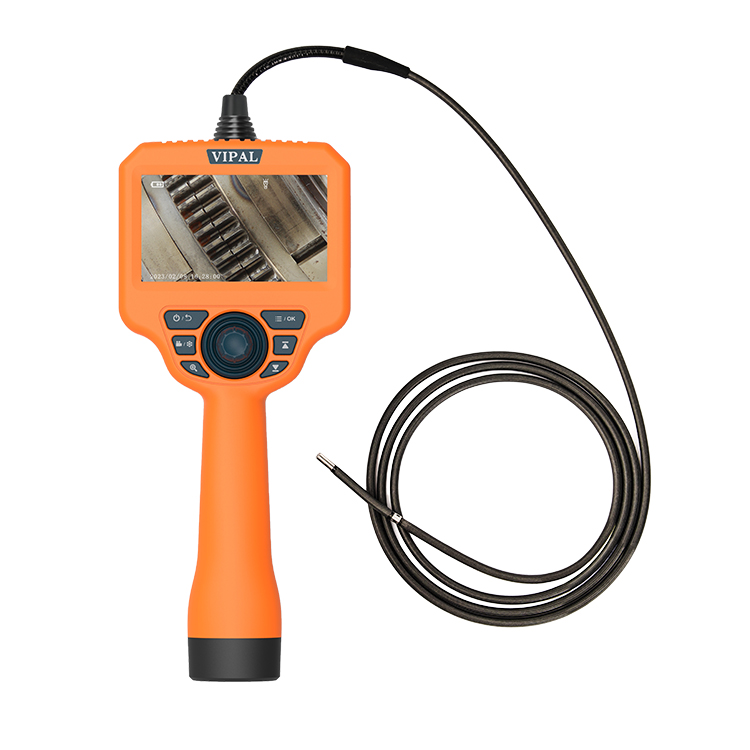

Industrial Borescope for Valve Inspection: Applications and Selection Guide
Category: News-
On: 2026-09-10
Industrial valves are widely used in oil and gas systems, power plants, chemical processing equipment, pipelines, water systems, and manufacturing facilities.
Because valves often contain internal passages and components that are difficult to access, conventional visual inspection can be challenging.
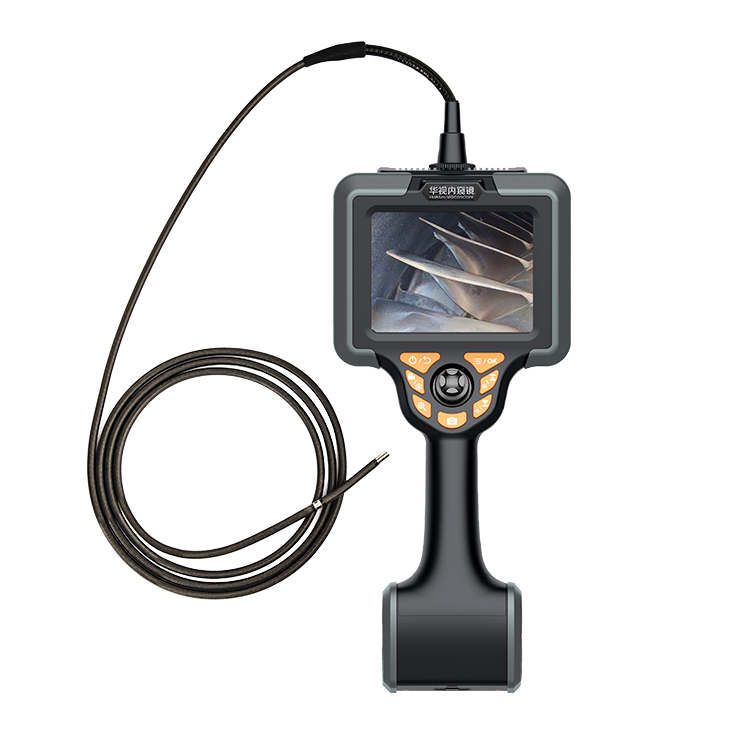
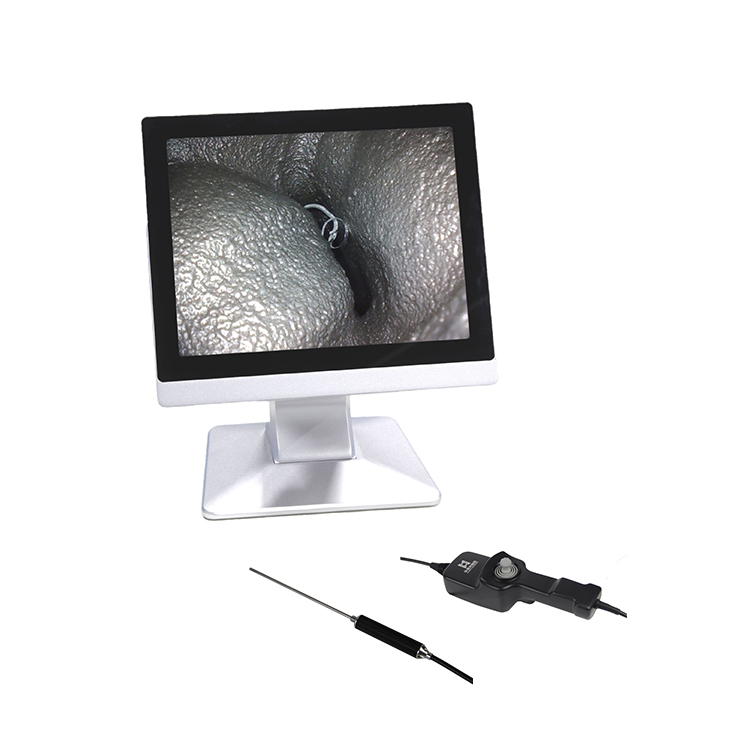
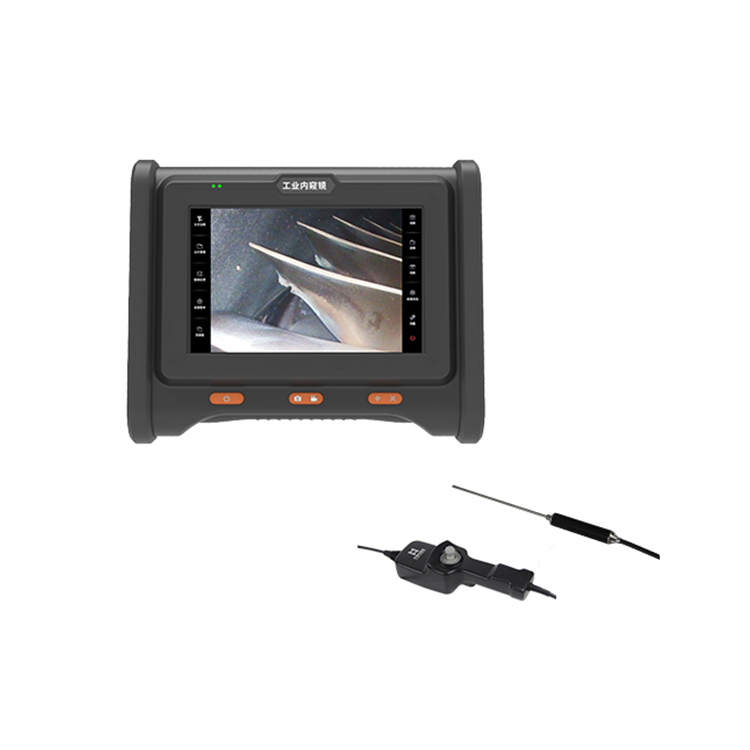
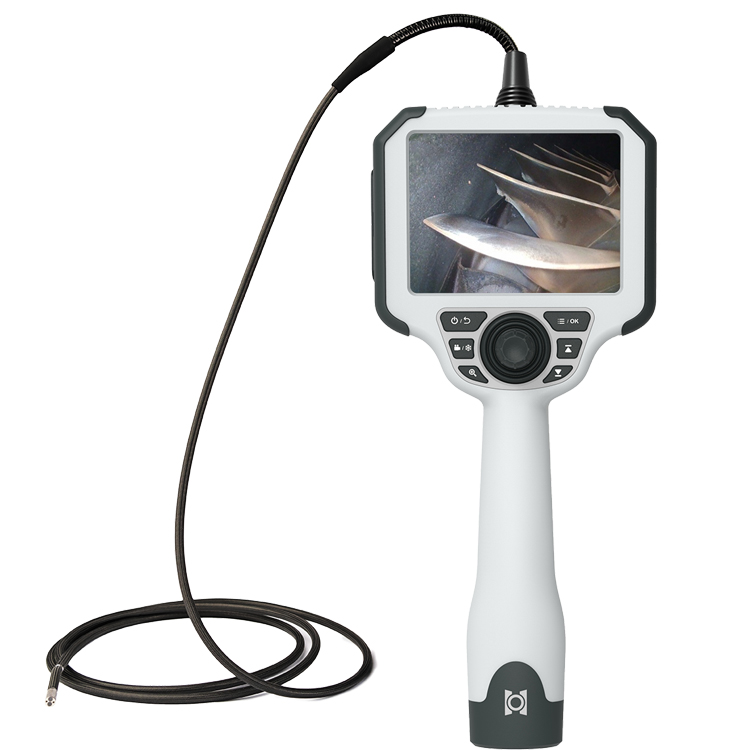
A valve inspection borescope allows inspectors to access certain internal areas through suitable openings without completely dismantling the valve.
This makes industrial videoscopes useful for maintenance, troubleshooting, and visual condition assessment.
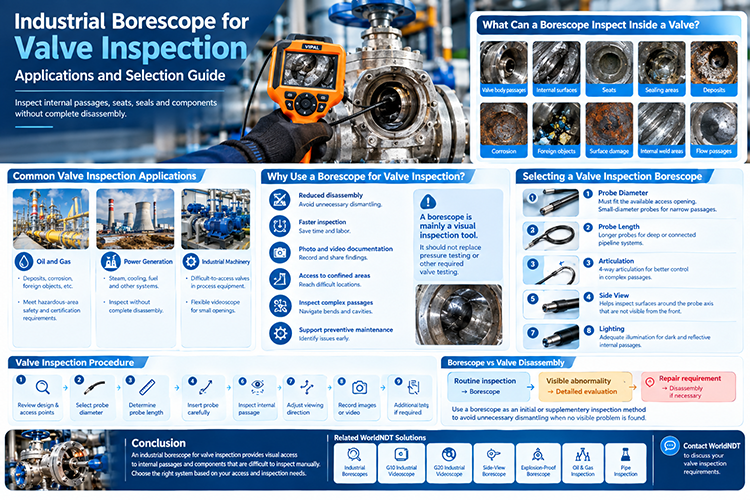
What Can a Borescope Inspect Inside a Valve?
Depending on the valve design and access conditions, a borescope may help inspect:
Valve body passages
Internal surfaces
Seats
Accessible sealing areas
Deposits
Corrosion
Foreign objects
Surface damage
Internal weld areas
Flow passages
The actual inspection capability depends on the valve construction and available access.
Common Valve Inspection Applications
Oil and Gas
Valves in oil and gas systems may need inspection for deposits, corrosion, foreign objects, or other visible conditions.
For hazardous-area applications, the inspection equipment must meet the applicable safety and certification requirements of the specific work environment.
Power Generation
Valves are used throughout steam, cooling, fuel, and other systems in power plants.
A borescope can provide visual access to selected internal areas without requiring complete disassembly.
Industrial Machinery
Process equipment and machinery may contain valves that are difficult to inspect manually.
A flexible videoscope can provide access through small openings.
Why Use a Borescope for Valve Inspection?
A videoscope can offer several practical benefits:
Reduced disassembly
Faster visual inspection
Photo and video documentation
Access to confined internal areas
Easier inspection of complex passages
Support for preventive maintenance
However, a borescope is primarily a visual inspection tool. It should not be considered a replacement for pressure testing or other required valve testing.
Selecting a Valve Inspection Borescope
1. Probe Diameter
The probe needs to pass through the available access opening.
For small valve passages, a small-diameter industrial borescope may be necessary.
2. Probe Length
Longer probes may be useful when the inspection point is deep inside a valve or connected pipe system.
3. Articulation
Articulation allows the camera to change direction inside complex passages.
A 4-way articulating system may provide better control than a simple fixed-direction camera.
4. Side View
Some valve surfaces cannot be viewed effectively with a forward-facing camera.
A side-view or dual-view borescope can help inspect surfaces positioned around the probe axis.
5. Lighting
Internal valve passages may be dark and reflective. Adequate illumination is important for obtaining useful images.
Valve Inspection Procedure
A basic visual inspection can include:
Review the valve design and access points.
Select the appropriate probe diameter.
Determine the required probe length.
Insert the probe carefully.
Inspect the internal passage.
Adjust the viewing direction as necessary.
Record images or video.
Document visible conditions.
Perform additional testing if required.
Borescope vs Valve Disassembly
A borescope does not eliminate the need for disassembly in every situation.
Instead, it can be used as an initial or supplementary inspection method.
For example:
Routine inspection → Borescope
Visible abnormality → Detailed evaluation
Repair requirement → Disassembly if necessary
This approach can help maintenance teams avoid unnecessary dismantling when no visible problem is found.
Conclusion
An industrial borescope for valve inspection can provide useful visual access to internal passages and components that are difficult to inspect manually.
When selecting a system, consider probe diameter, probe length, articulation, viewing direction, lighting, image quality, and the inspection environment.
For oil and gas, power generation, and industrial machinery applications, WorldNDT can provide industrial videoscope configurations according to the access and inspection requirements.
Related WorldNDT Solutions:
Pipe Inspection
Contact WorldNDT to discuss your valve inspection requirements.