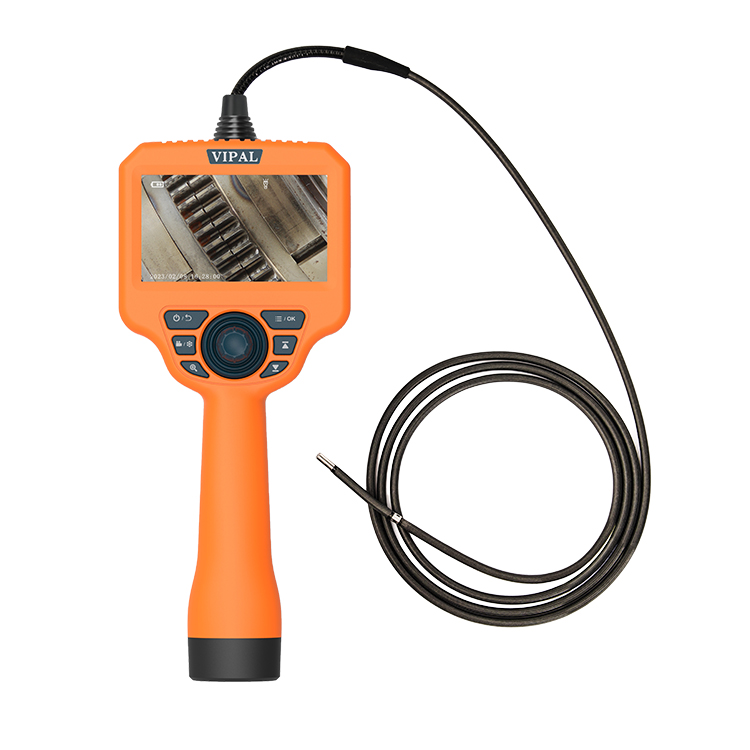

Borescope Inspection for Heat Exchangers: What Can You Inspect?
Category: News-
On: 2026-09-10
Heat exchangers operate in many industrial environments, including power generation, chemical processing, oil and gas, HVAC, manufacturing, and marine systems.
Over time, heat exchanger tubes and internal passages can develop deposits, corrosion, fouling, erosion, or other visible conditions.
Because many tubes are narrow and deep, direct visual access is often limited.
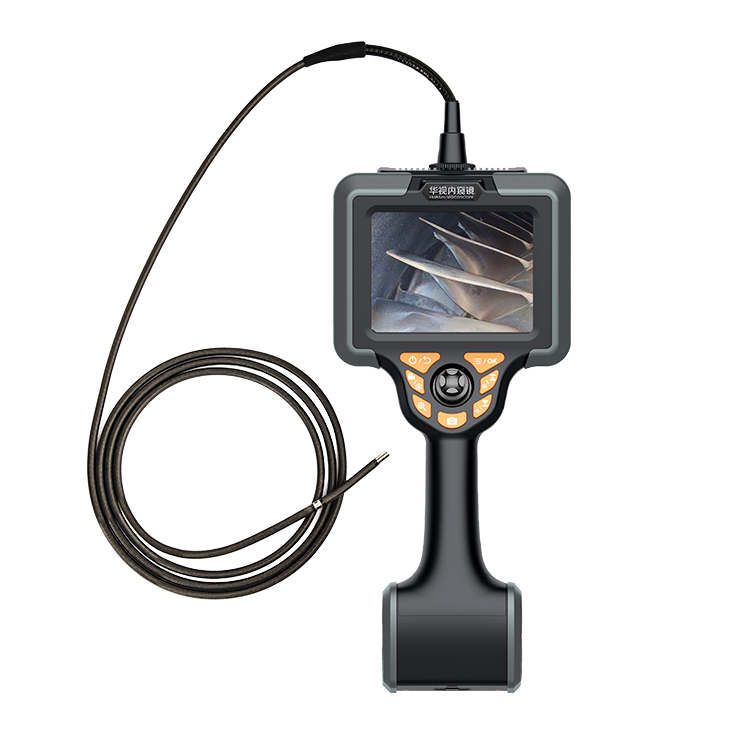
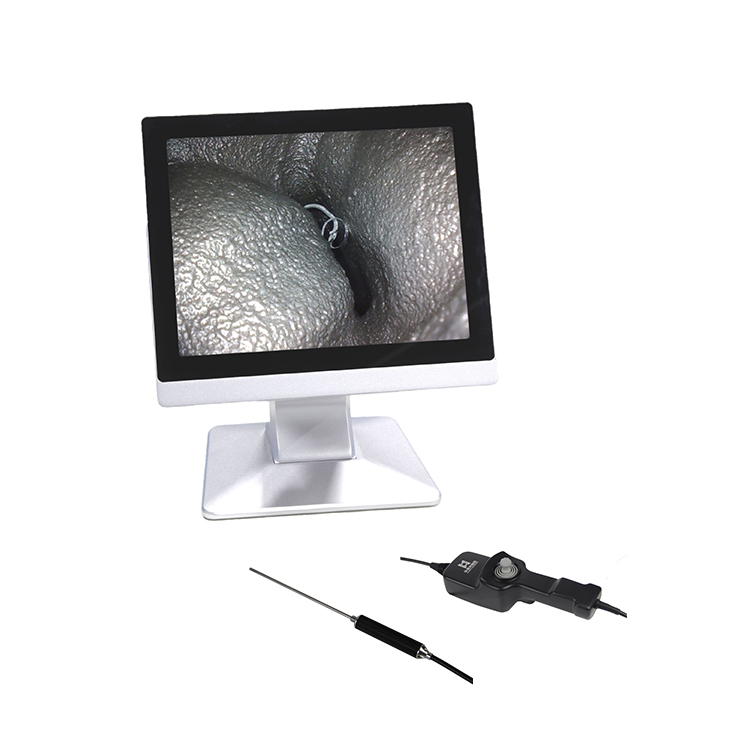
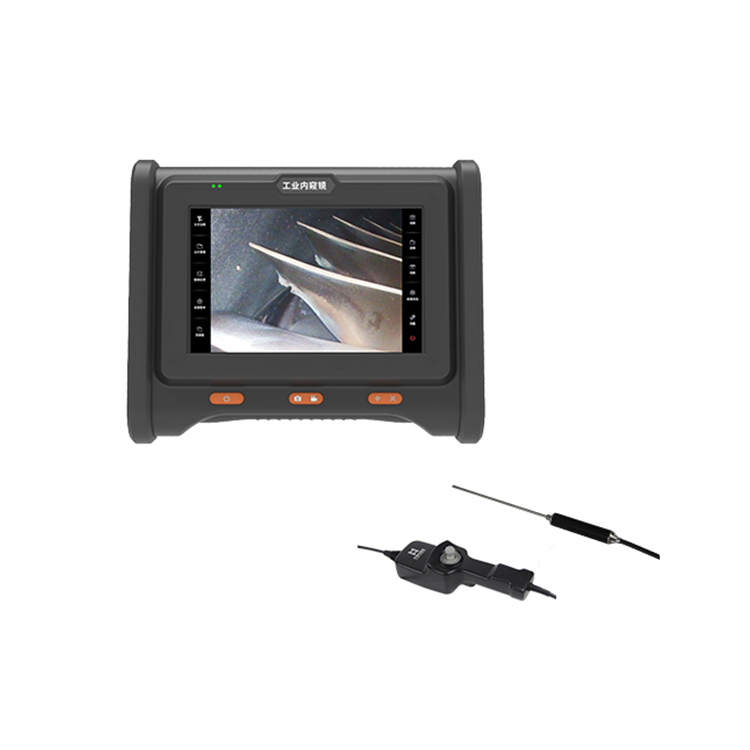
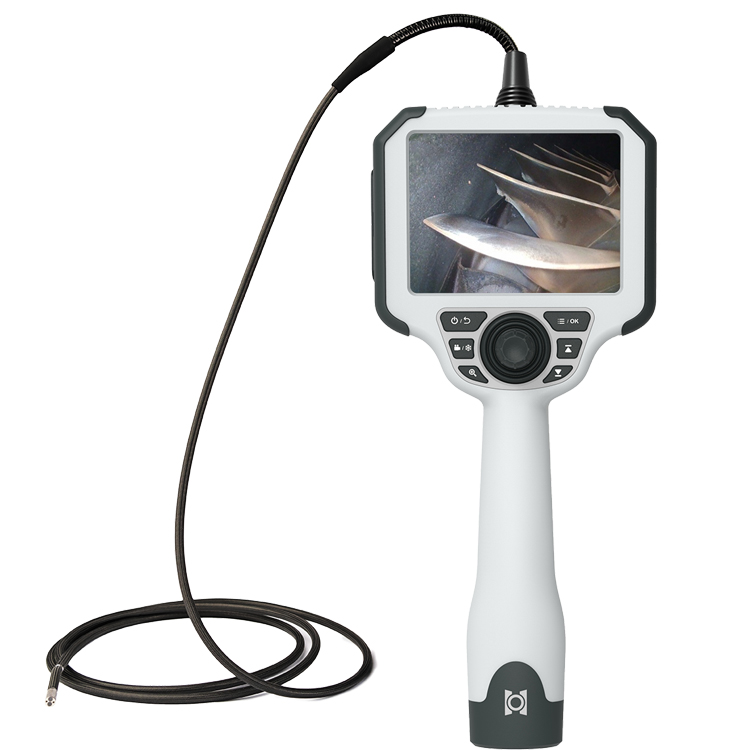
A heat exchanger borescope inspection can provide remote visual access to selected internal areas without requiring complete disassembly.
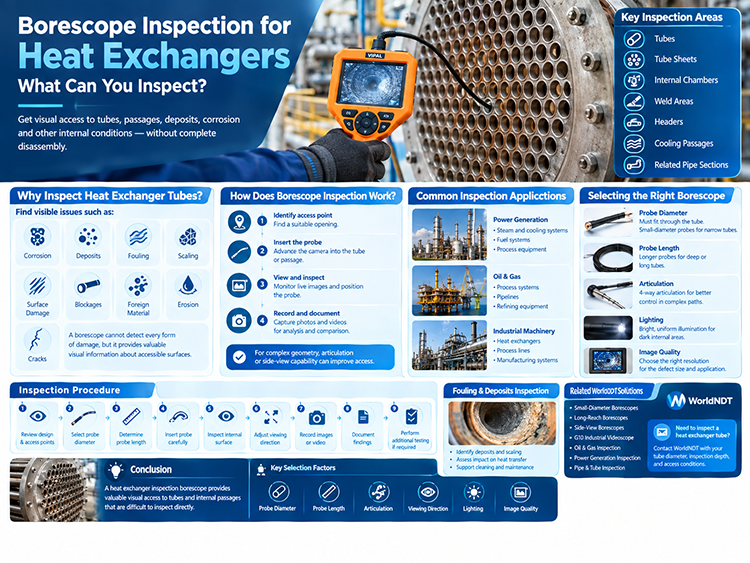
Why Inspect Heat Exchanger Tubes?
Heat exchanger performance depends heavily on the condition of its internal surfaces.
Inspection may help identify visible:
Corrosion
Deposits
Fouling
Scaling
Surface damage
Blockages
Foreign material
Erosion
Cracks or other indications
A borescope cannot detect every form of damage, but it can provide valuable visual information about accessible internal surfaces.
How Does Borescope Inspection Work?
The basic process is straightforward.
First, inspectors identify a suitable access point.
The selected probe is then inserted into the tube or internal passage. The camera transmits live images to the display while the inspector advances and positions the probe.
For difficult geometry, articulation or side-view capability can improve access.
Images and video can be recorded for documentation and comparison.
Choosing a Borescope for Heat Exchanger Tubes
Small Probe Diameter
Heat exchanger tubes can have relatively small internal diameters. The probe must fit safely through the tube.
For narrow passages, see our guide to industrial borescopes for small holes.
Long Probe
Long tubes may require a longer insertion length.
See our long reach industrial borescope guide for deep inspection applications.
Articulation
Articulation is useful when the inspection path is not completely straight or when the camera needs to be repositioned.
Lighting
Internal tubes can be completely dark. Strong, controlled illumination is essential.
Image Quality
The required image quality depends on the type and size of defects being investigated.
Heat Exchanger Inspection Applications
Industrial videoscopes may be used for visual inspection of:
Heat exchanger tubes
Tube sheets
Internal chambers
Accessible weld areas
Headers
Cooling passages
Related pipe sections
The inspection scope depends on equipment design.
Borescope Inspection for Fouling and Deposits
Deposits and scaling can reduce heat transfer efficiency and restrict flow.
A borescope can help determine whether deposits are visibly present and document their location.
This information can support decisions about cleaning and maintenance.
Borescope Inspection for Corrosion
Corrosion can develop on internal surfaces exposed to fluids and operating conditions.
Visible corrosion-related changes may include:
Rust-like deposits
Surface discoloration
Pitting
Localized surface damage
Where required, additional inspection methods should be used to determine the severity of the condition.
Conclusion
A heat exchanger inspection borescope can provide valuable visual access to tubes and internal passages that are difficult to inspect directly.
The most important selection factors are probe diameter, probe length, articulation, viewing direction, illumination, and image quality.
WorldNDT industrial videoscopes can be configured for different access and inspection requirements.
Related WorldNDT Solutions:
Small-Diameter Borescopes
Long-Reach Borescopes
Oil & Gas Inspection
Power Generation Inspection
Pipe & Tube Inspection
Need to inspect a heat exchanger tube? Contact WorldNDT with your tube diameter, inspection depth, and access conditions.