
Borescope Inspection for Boilers: Internal Inspection Guide
Category: News-
On: 2026-09-15
Boilers and associated heating equipment operate under demanding conditions. High temperatures, combustion products, deposits, corrosion, and long operating cycles can affect internal components.
Visual inspection is an important part of maintenance planning.
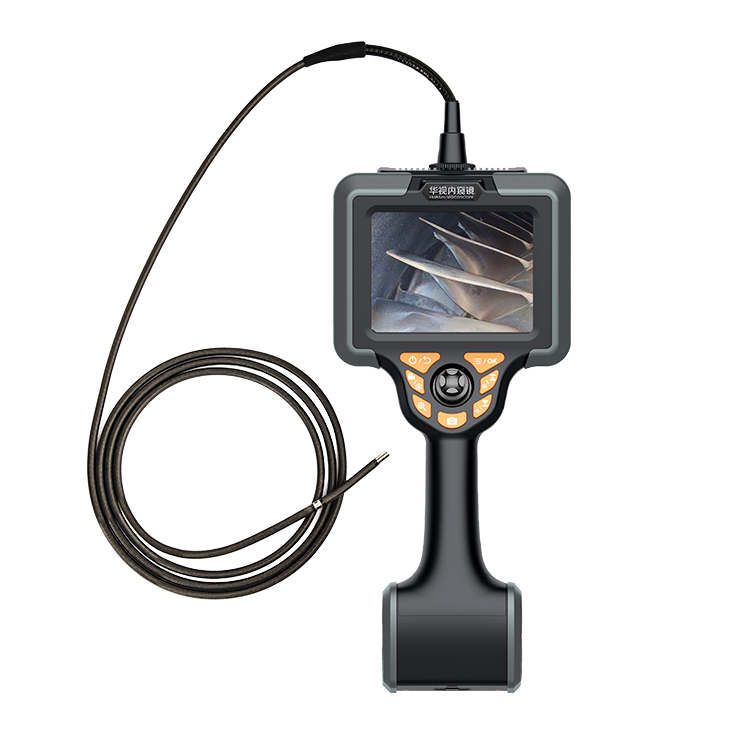
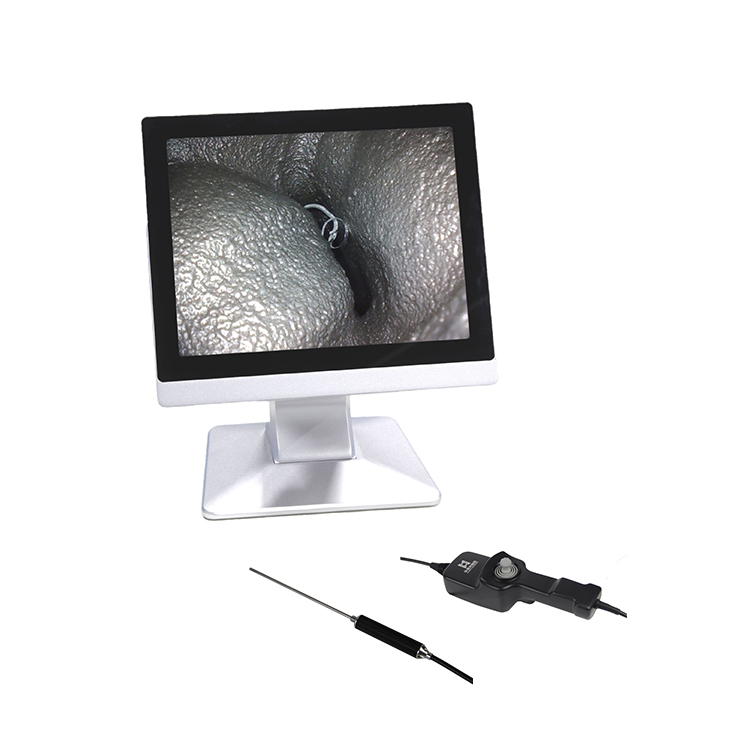
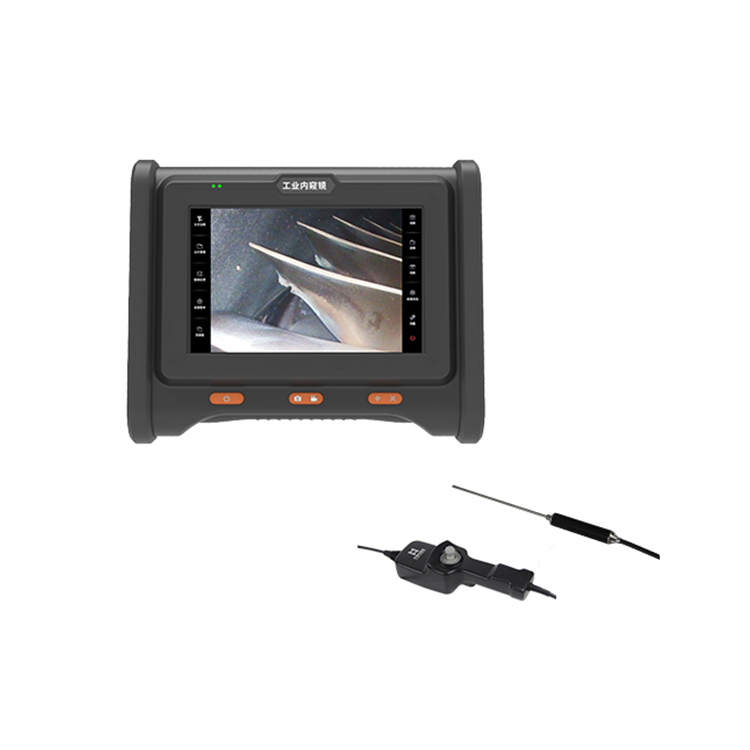
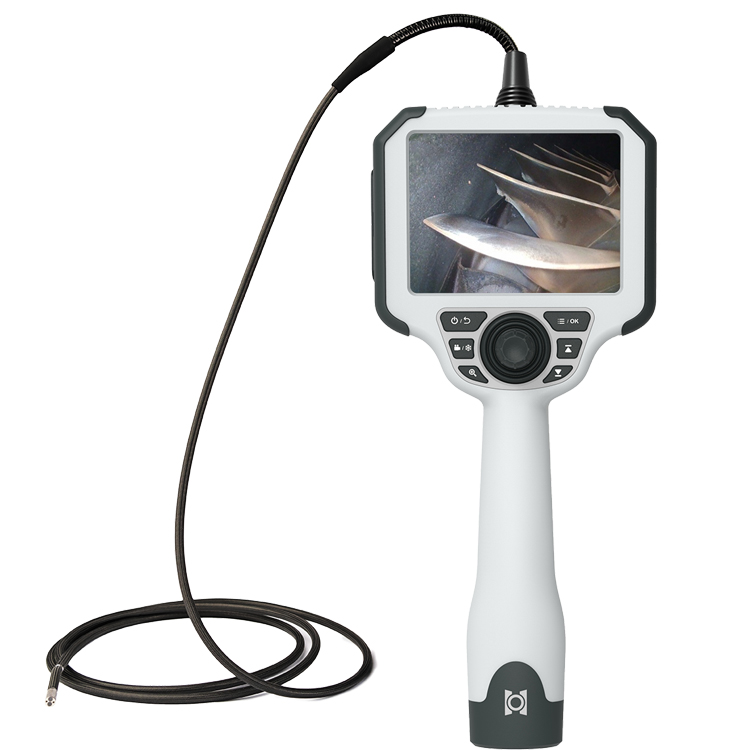
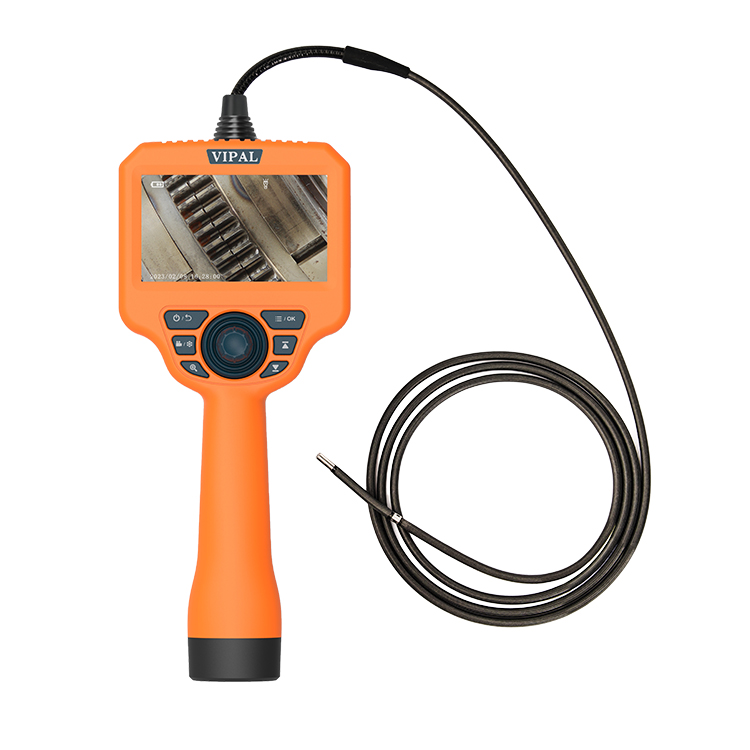
A boiler inspection borescope can provide remote visual access to selected internal areas when direct access is difficult.
What Can Be Inspected?
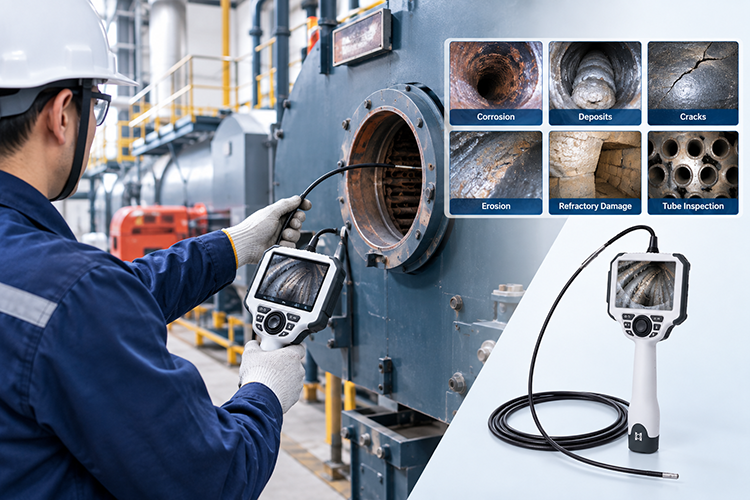
Depending on the equipment design, industrial videoscopes may help inspect:
Boiler tubes
Combustion chambers
Furnace areas
Internal welds
Refractory surfaces
Deposits
Accessible burner areas
Internal piping
Other hard-to-reach areas
The exact inspection scope depends on the equipment and safe access conditions.
What Defects Can Be Visible?
Inspectors may look for visible indications such as:
Corrosion
Surface corrosion or localized damage may be visible on accessible components.
Deposits
Ash, scale, carbon, and other deposits can accumulate on internal surfaces.
Cracks
Visible cracks or crack-like indications may require further evaluation using appropriate inspection methods.
Erosion
High-velocity flow or particles may contribute to visible surface erosion.
Refractory Damage
In combustion environments, refractory surfaces may show visible cracking, spalling, or other damage.
Advantages of Borescope Inspection
Using a remote visual inspection camera can help:
Reduce unnecessary dismantling
Reach confined areas
Record inspection evidence
Compare conditions during maintenance intervals
Support troubleshooting
Improve inspection documentation
Selecting a Boiler Inspection Borescope
Boiler inspections may involve difficult environments, so equipment selection is especially important.
Consider:
Probe diameter
Probe length
Articulation
Lighting
Camera resolution
Temperature rating
Probe protection
Environmental requirements
Temperature Considerations
A standard industrial videoscope should not automatically be assumed suitable for high-temperature inspection.
The actual temperature rating of the probe and inspection system must be checked before use.
For suitable applications, see our High Temperature Borescope guide.
Inspection Workflow
A typical inspection may include:
Confirm safe equipment conditions.
Identify suitable access points.
Determine inspection depth.
Select the probe.
Insert the camera carefully.
Inspect accessible internal surfaces.
Record photographs and videos.
Document visible findings.
Perform additional inspection when necessary.
Safety procedures and equipment shutdown requirements must always be determined by the responsible plant and maintenance personnel.
Conclusion
A boiler inspection borescope can provide useful visual access to internal boiler and furnace areas without requiring unnecessary dismantling.
For difficult industrial environments, probe temperature rating, diameter, length, articulation, lighting, and image quality should all be considered.
WorldNDT provides industrial videoscope configurations for different visual inspection applications.