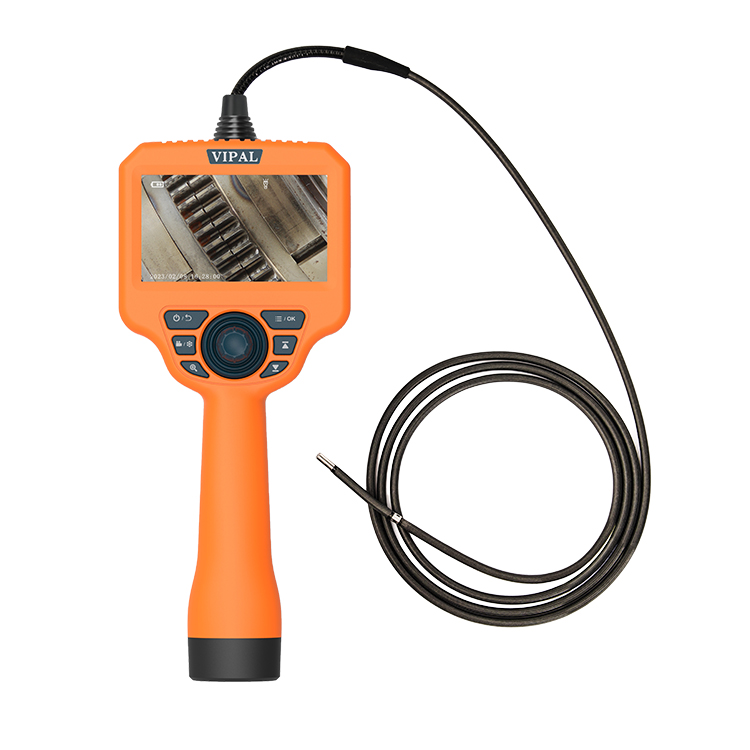

Borescope Inspection for Hydraulic Systems and Components
Category: News-
On: 2026-09-15
Hydraulic systems are widely used in construction equipment, industrial machinery, manufacturing equipment, aerospace systems, and mobile machinery.
Hydraulic cylinders, valves, housings, and internal passages may be difficult to inspect without disassembly.
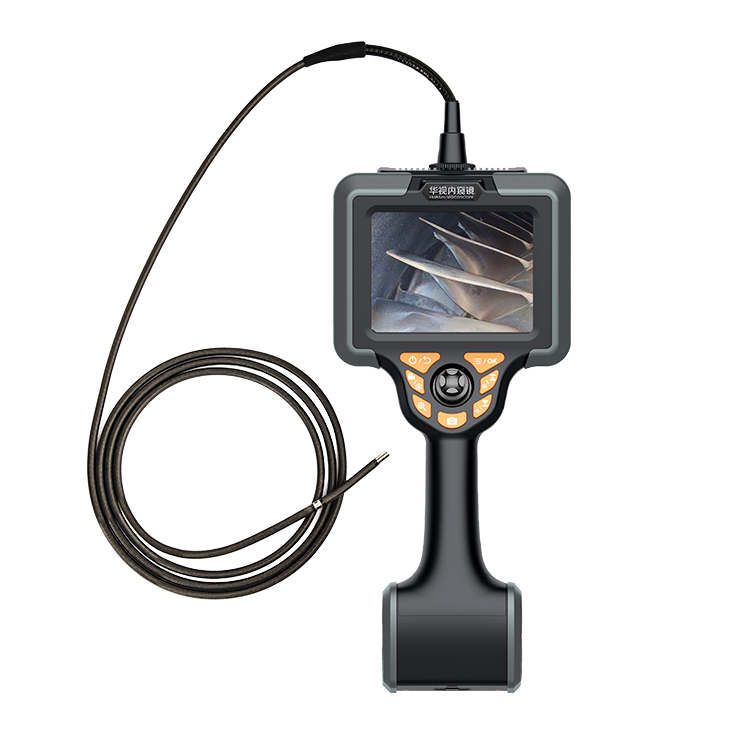
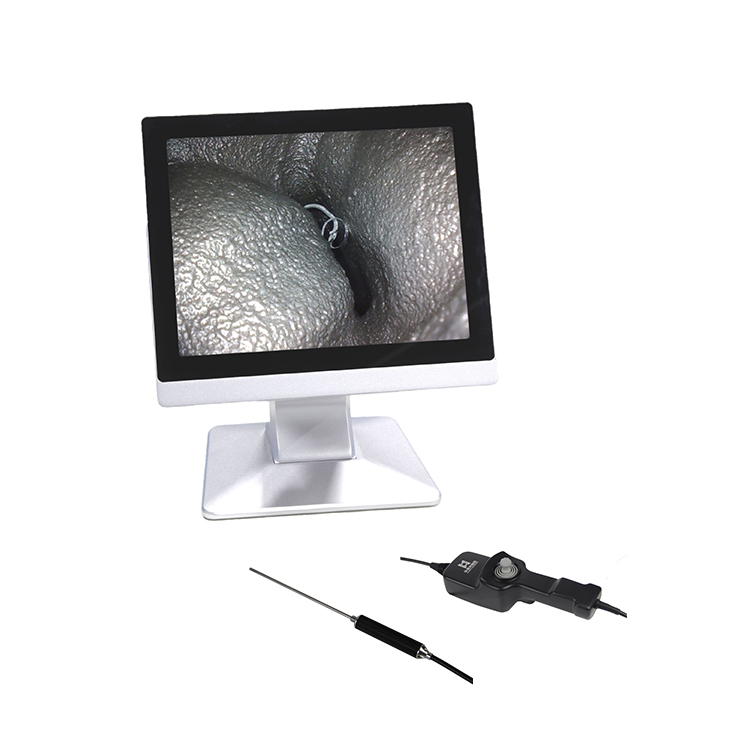
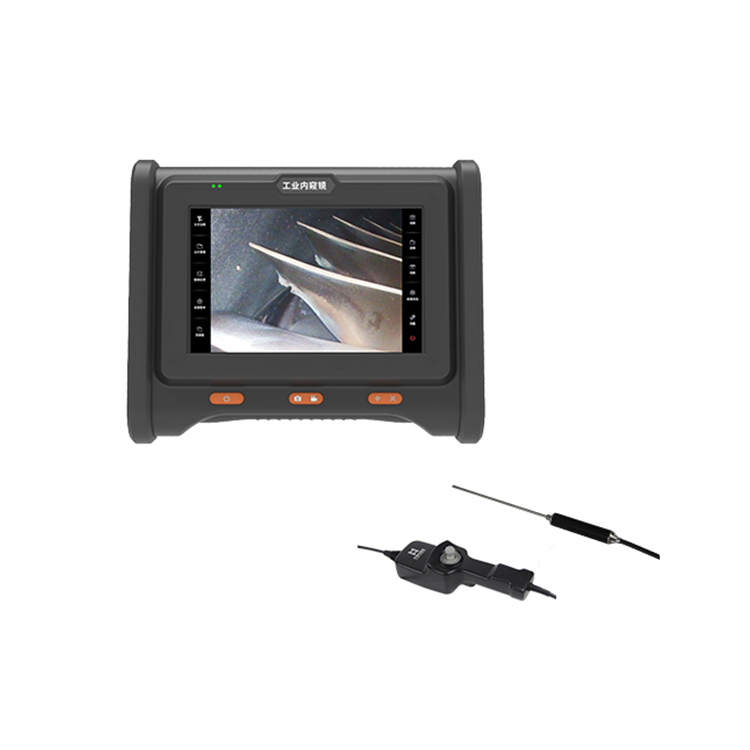
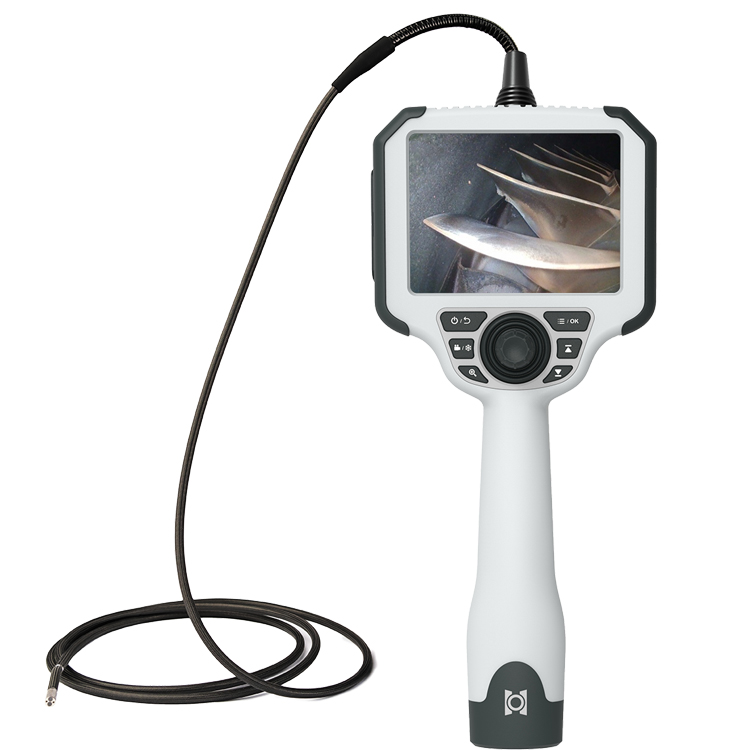
A hydraulic inspection borescope can provide remote visual access to suitable internal areas and help maintenance personnel document visible conditions.
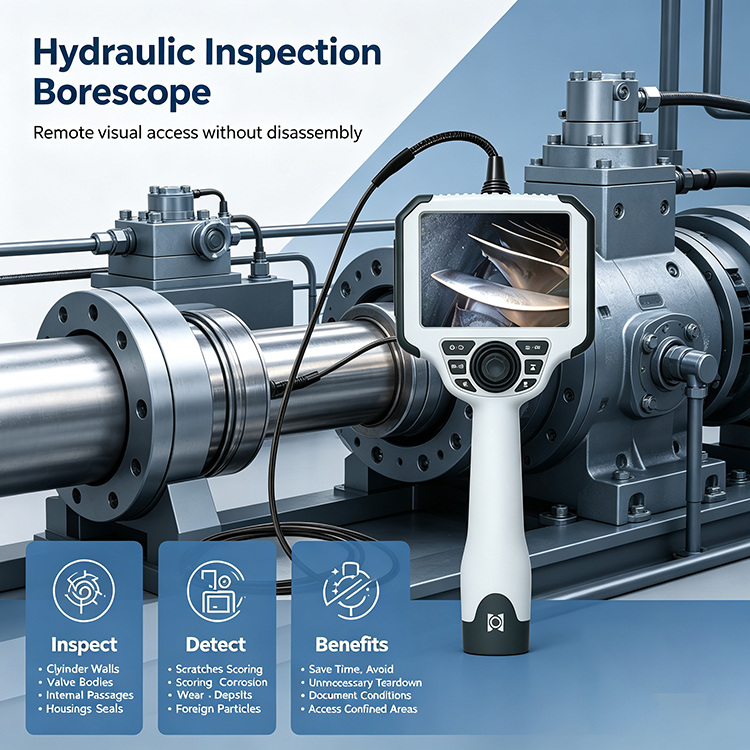
What Hydraulic Components Can Be Inspected?
Depending on the design and access points, a borescope may be used to inspect:
Hydraulic cylinders
Cylinder walls
Valve bodies
Internal passages
Housings
Accessible seals
Surface condition
Deposits and contamination
What Should Inspectors Look For?
A visual inspection may identify:
Scratches
Scoring
Corrosion
Surface wear
Deposits
Foreign particles
Mechanical damage
Visible seal-related abnormalities
The ability to identify a specific defect depends on its size, location, accessibility, and the imaging system used.
Why Use a Borescope?
Hydraulic components can be expensive and time-consuming to dismantle.
Remote visual inspection can help maintenance teams obtain additional information before deciding whether disassembly is necessary.
Benefits include:
Reduced inspection time
Less unnecessary disassembly
Image and video documentation
Access to confined areas
Easier condition comparison
Choosing a Hydraulic Inspection Camera
Probe Diameter
The camera must fit through the available opening.
Probe Length
Choose sufficient length to reach the target area.
Articulation
Articulation can be valuable when inspecting curved or complex internal passages.
Image Quality
The camera should provide sufficient image quality for the intended inspection task.
Viewing Direction
Side-view capability can be useful when the target surface is around the side of the probe.
Hydraulic Cylinder Inspection
Hydraulic cylinders are a good example of an application where internal visual access can be useful.
Depending on the cylinder design, an inspection camera may help examine accessible cylinder-wall surfaces and identify visible scoring, corrosion, contamination, or other abnormalities.
However, hydraulic system pressure and safety procedures must be properly controlled before inspection.
A hydraulic inspection borescope can provide useful visual information about accessible internal areas of hydraulic cylinders, valves, housings, and other components.
The right system depends on the access diameter, inspection depth, internal geometry, and environmental conditions.