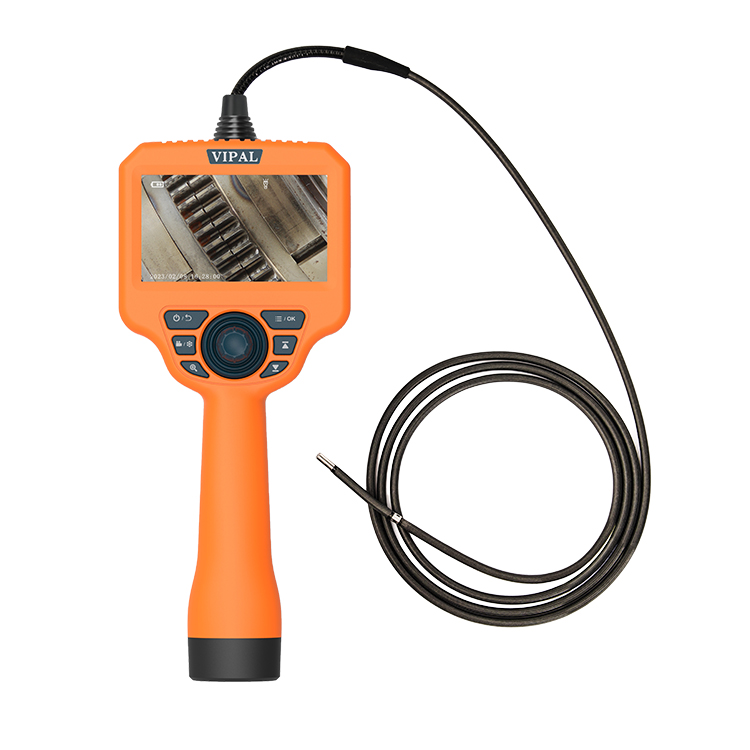

Borescope for Mold Inspection: How to Inspect Internal Cavities and Channels
Category: News-
On: 2026-09-15
Molds and tooling often contain narrow cavities, cooling channels, holes, and internal structures that are difficult to inspect manually.
Even when the external surface appears normal, internal contamination, damage, wear, or deposits may affect mold performance.
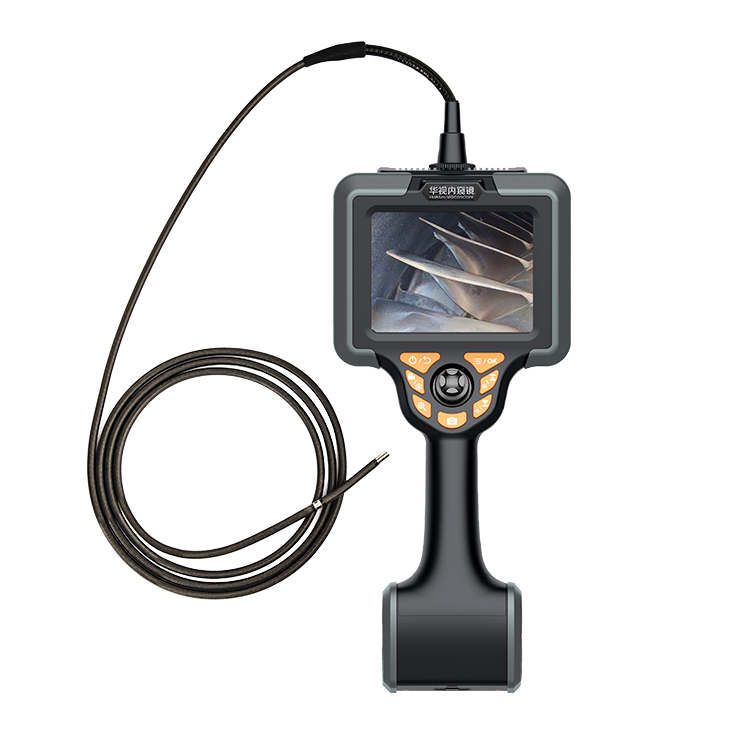
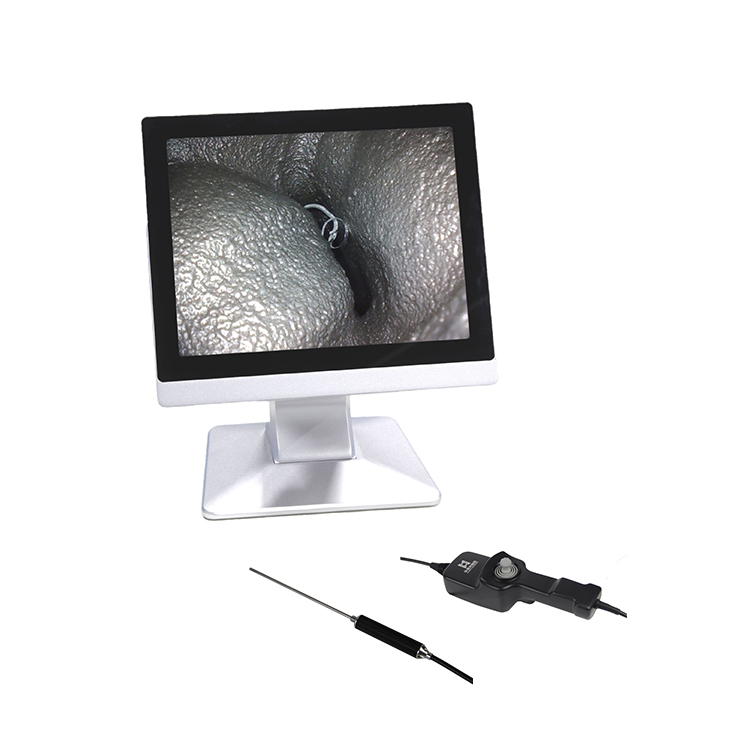
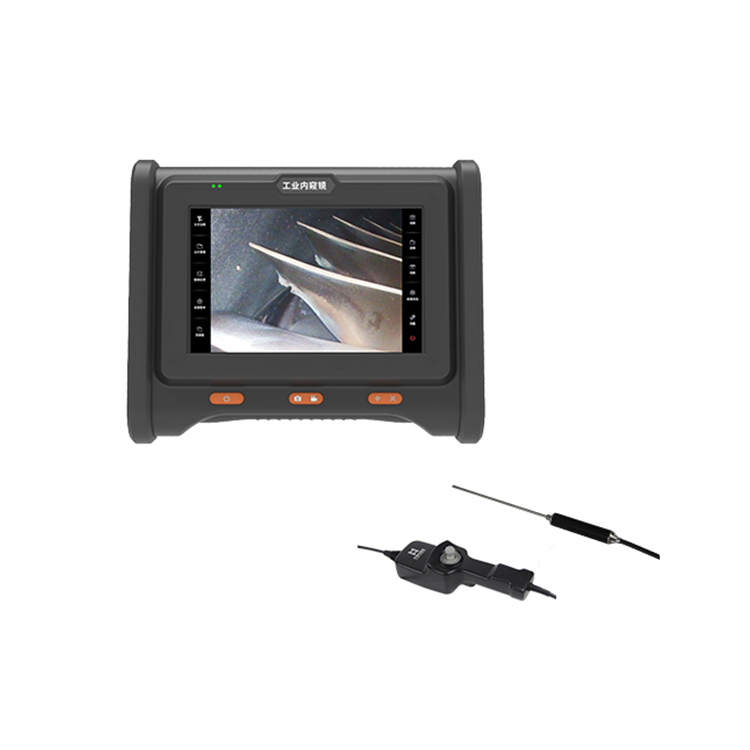
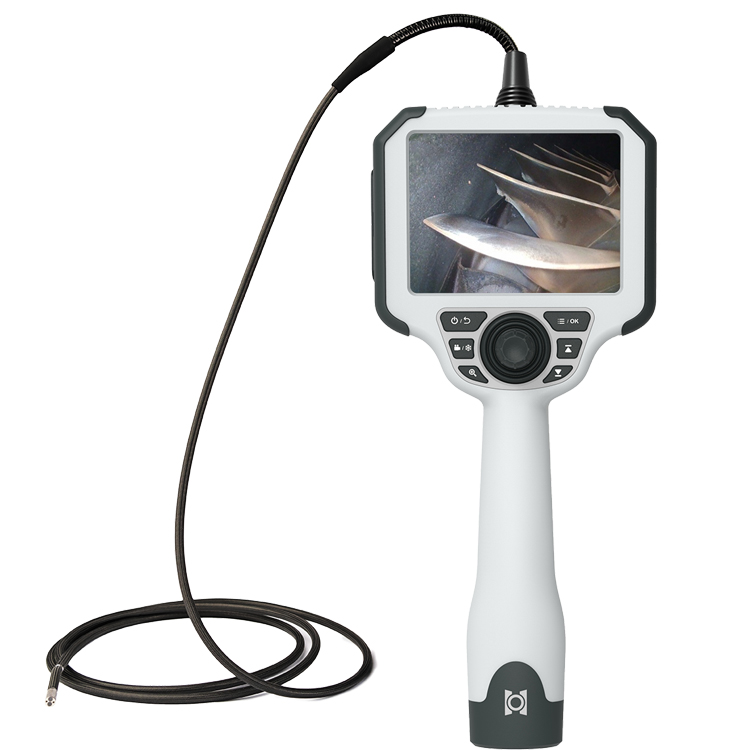
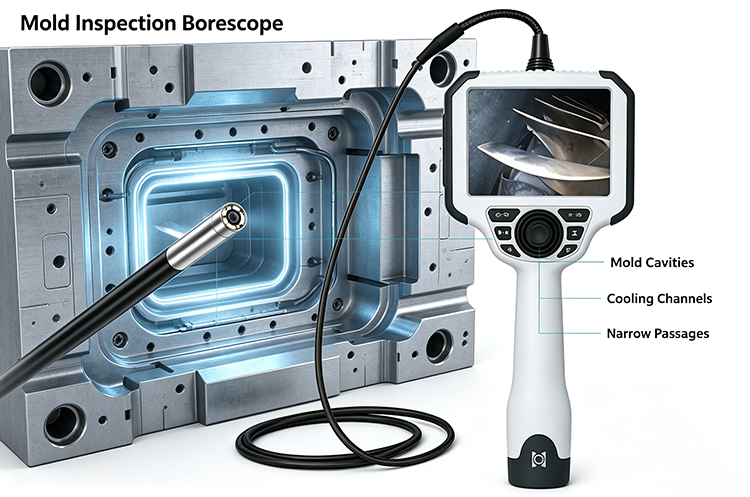
A mold inspection borescope can provide visual access to selected internal areas without completely dismantling the tooling.
What Can a Borescope Inspect in a Mold?
Depending on the mold design, a videoscope may help inspect:
Mold cavities
Cooling channels
Ejector areas
Internal holes
Narrow passages
Tooling surfaces
Deposits
Corrosion
Visible wear
Foreign material
Why Is Mold Inspection Important?
Mold condition can affect:
Product surface quality
Dimensional consistency
Cooling performance
Production efficiency
Tool life
Maintenance requirements
Regular visual inspection can help identify visible problems before they become more serious.
Choosing a Mold Inspection Camera
Small Diameter
Many mold passages are narrow. A small-diameter probe may be necessary.
Probe Length
Deep cavities and long cooling channels may require additional probe length.
Articulation
Articulation allows inspectors to position the camera around internal structures.
Side View
A side-view camera can be useful when inspecting surfaces around corners or along the side of a channel.
Lighting
Internal cavities can have complex reflective surfaces. Appropriate illumination helps produce useful images.
Inspecting Cooling Channels
Cooling channels are particularly important in many molds.
A borescope may help identify:
Deposits
Corrosion
Blockages
Foreign material
Visible surface damage
The inspection results can help determine whether cleaning or further maintenance should be considered.
Mold Cavity Inspection
A borescope can also provide visual access to cavity surfaces.
Inspectors may document:
Scratches
Deposits
Surface damage
Corrosion
Foreign material
Visible wear
For precision quality control, the borescope should be selected according to the required field of view and defect size.
A mold inspection borescope is a useful visual inspection tool for difficult-to-access mold cavities, cooling channels, holes, and tooling structures.
Probe diameter, length, articulation, viewing direction, and image quality should be selected according to the mold geometry.